
The Best Way to Cut Asphalt in 5 Simple Steps
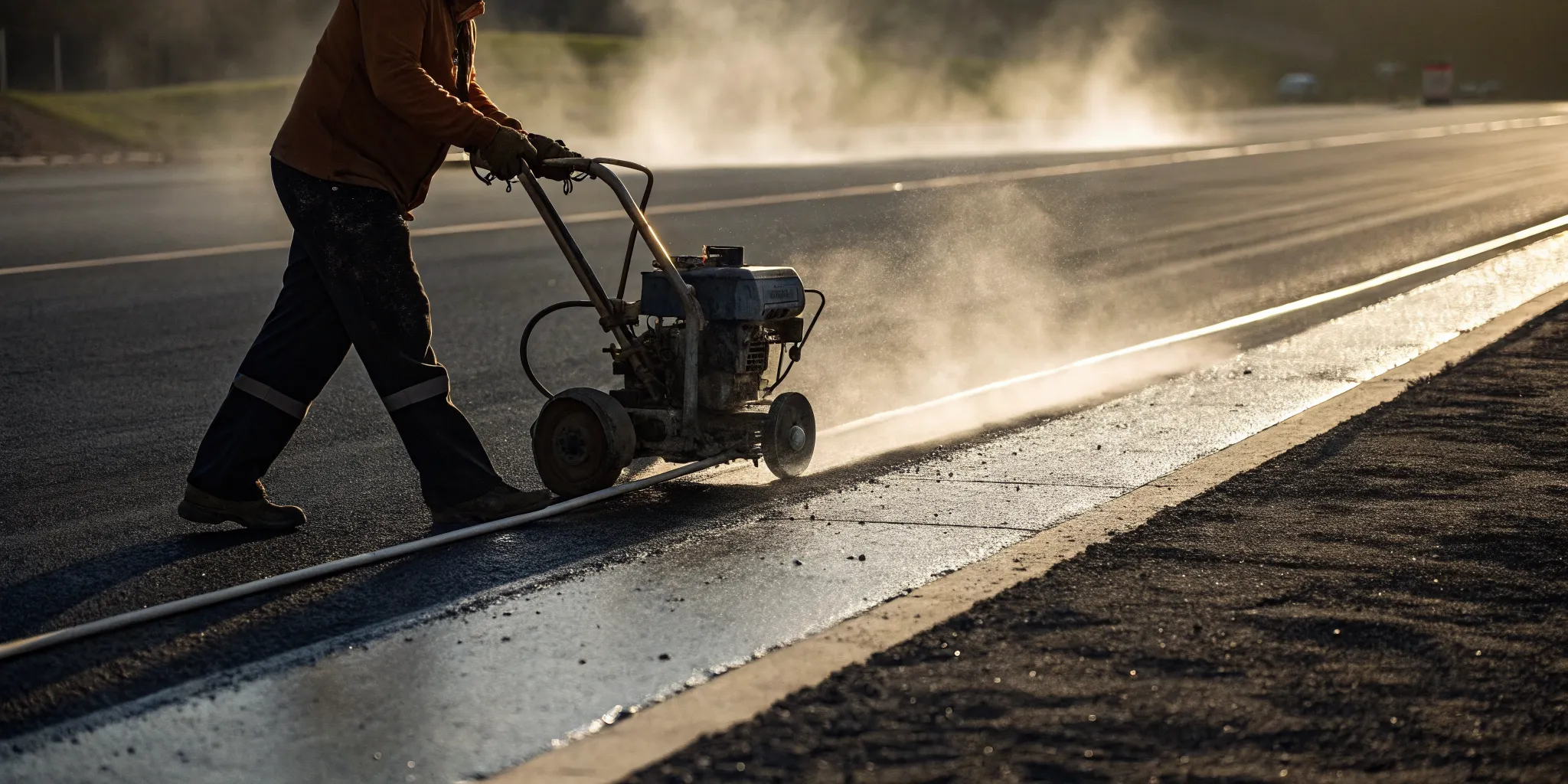
There’s a noticeable difference between a rough, DIY-looking cut and a clean, razor-straight line that looks like a professional did it. Achieving that polished result isn’t about having the most expensive equipment; it’s about knowing and applying the right techniques. Professionals get those perfect edges by following a methodical process, from meticulously preparing the work area to maintaining a steady, controlled cutting speed. They understand that letting the saw do the work and using water to cool the blade are secrets to a flawless finish. This guide will pull back the curtain on those methods, giving you the step-by-step instructions you need to get a high-quality result. We’ll show you the best way to cut asphalt so your project looks clean, tidy, and expertly done.
Key Takeaways
- The right blade is non-negotiable: For a clean, efficient cut, you must use a diamond blade designed specifically for asphalt. This prevents the blade from gumming up with tar and ensures it can handle the abrasive material without wearing out quickly.
- A safe cut is a methodical one: The best results come from careful preparation. This means clearing your work area, marking precise lines, always wearing full safety gear, and using water to control dust and cool the blade during the cut.
- Know your limits and when to call a pro: While DIY is fine for small patches, large or complex jobs require professional equipment and expertise. Hiring an expert for big projects ensures safety, precision, and prevents costly mistakes or damage.
What Tools Do You Need to Cut Asphalt?
Having the right tool for the job isn't just a nice-to-have; it's essential for a clean, safe cut. Using the wrong equipment can lead to a messy finish, damaged tools, or even injury. The best tool for you will depend on the size of your project and the type of cuts you need to make. For small repairs, a versatile handheld saw might be all you need. For larger jobs, like removing an entire driveway section, you’ll want something with more power and stability. Let's walk through the most common and effective tools for cutting asphalt so you can choose the right one for your project.
Gas-Powered Cut-Off Saw
Think of a gas-powered cut-off saw as your go-to for powerful, precise cuts on smaller to medium-sized jobs. This handheld tool is one of the best options for cutting asphalt, especially when you pair it with a diamond blade designed specifically for asphalt. Its power and maneuverability make it perfect for cutting patches for repairs, creating clean edges, or making cuts in tight spaces where a larger machine won't fit. While it requires a steady hand to guide, a cut-off saw gives you the control needed for detailed work. For most DIY repairs or smaller professional jobs, this saw provides the perfect balance of power and precision.
Walk-Behind Pavement Saw
If you're tackling a large-scale project, a walk-behind pavement saw is your best friend. These heavy-duty machines are designed for making long, straight, and deep cuts with minimal effort. Because the saw is mounted on a wheeled frame, you simply guide it along your marked line, and the machine does most of the heavy work. This makes it the ideal choice for cutting trenches for utility lines, creating expansion joints, or removing large sections of a driveway or parking lot. The stability of a walk-behind saw ensures a perfectly straight cut, which is much harder to achieve with a handheld tool over long distances.
Circular Saw with a Diamond Blade
For those who already have a well-stocked workshop, a standard circular saw can be an effective option for cutting asphalt, provided you equip it correctly. The key is to use a diamond blade specifically made for cutting abrasive materials like asphalt or concrete. This setup is best for making shallow, straight cuts on smaller projects. While it may not have the power or cutting depth of a dedicated cut-off or walk-behind saw, it’s a versatile and accessible tool for quick jobs. You can follow some easy ways to cut asphalt with a circular saw, but remember to let the blade do the work and avoid forcing it.
Why Renting Equipment Can Be a Smart Choice
Let's be honest, most of us don't have a professional-grade pavement saw just sitting in the garage. For one-off projects, buying specialized equipment doesn't make financial sense. This is where renting comes in. Renting the proper tools is a cost-effective solution that gives you access to powerful, well-maintained equipment without the hefty price tag or storage headaches. You can typically rent a saw for a reasonable daily rate, ensuring you have the right tool to get the job done efficiently and safely. For anything beyond a simple patch, renting professional-grade equipment will almost always give you a better result than trying to make do with what you have.
Choose the Right Blade for the Job
Picking the right saw is only half the battle; the blade you attach to it is what does all the heavy lifting. Using the wrong one can lead to a messy cut, damage your equipment, or worse, create a serious safety risk. The best blade for the job depends on the type of asphalt you're cutting and the environment you're working in. Thinking about the blade type, whether you'll cut wet or dry, and the blade's size will set you up for a clean, professional-looking result.
Segmented vs. Continuous Rim Diamond Blades
When it comes to cutting asphalt, diamond blades are the undisputed champion. They are specifically engineered to handle the abrasive mix of stone and bitumen in asphalt, offering a durability and cutting speed that other blades just can't match. You’ll generally encounter segmented diamond blades for this kind of work. These blades have noticeable gaps or slots along the edge, which help cool the blade and clear away debris as you cut. This design makes them ideal for the tough, aggressive cutting that asphalt requires. While other blade types exist, choosing a diamond blade made specifically for asphalt will give you the cleanest cut and the best performance.
Wet vs. Dry Cutting Blades
You’ll also need to decide between wet and dry cutting. A wet-cutting blade is used with a water source that sprays the blade and the cut line. This is the method professionals prefer, and for good reason. The water dramatically reduces the amount of dust kicked into the air, which is a major health and safety benefit. It also keeps the blade cool, preventing it from overheating and extending its lifespan. The result is a smoother, cleaner, and quieter cut. Dry cutting is possible with certain blades but creates a massive amount of dust and can cause the blade to wear out much faster. For safety and quality, wet cutting is almost always the better choice.
Check Blade Size, Depth, and Wear
Finally, make sure the blade is the right size for both the job and the saw. The blade's diameter determines its maximum cutting depth; a larger blade can cut through thicker layers of asphalt. It’s crucial to match the blade to the thickness you need to cut, but you also have to ensure it’s compatible with your saw’s specifications. Never try to fit a blade that is too large for your saw. Before you start, always inspect the blade for signs of wear or damage, like cracks or missing segments. Using a worn-out or damaged blade is inefficient and incredibly dangerous.
Prepare the Work Area Before You Cut
Before you even think about starting the saw, preparing the work area is one of the most important things you can do. A clean, well-marked space is the foundation for a precise and safe cut. Skipping these steps can lead to crooked lines, damaged equipment, or worse, an injury. Think of it like painting a room; you wouldn't start rolling paint without taping the edges and putting down a drop cloth first. The same principle applies here. A little prep work ensures the project goes smoothly and gives you a professional-looking result.
Clear Debris and Loose Materials
First things first, you need a clean slate. Grab a stiff broom or a leaf blower and clear the entire area where you plan to cut. Get rid of any loose dirt, gravel, small rocks, and stray pieces of asphalt. This isn't just about being tidy; it’s a critical safety step. A clean surface prevents the saw from kicking back if it hits a loose rock and ensures the blade can move smoothly without obstruction. It also helps you see your marked lines clearly, which is essential for an accurate cut. Taking five minutes to sweep the area can save you from a major headache down the line.
Mark Your Cut Line Accurately
Once the area is clean, it’s time to mark your path. For long, straight cuts, nothing beats a chalk line. Just snap it down for a perfectly crisp, visible guide. If you’re making shorter cuts, a piece of chalk and a straightedge will work just as well. For any curves, you can mark them freehand, but take your time to ensure the line is smooth and clear. Your marked line is the roadmap for your saw, so precision is key. Double-check your measurements before you commit to a line. Remember the old saying, "measure twice, cut once." A clear, accurate guide is your best friend for achieving a clean finish.
Consider Temperature and Weather
The weather can have a big impact on your project. Whenever possible, wet cutting is the way to go. Using a saw with a water hookup helps cool the diamond blade, which extends its life and prevents overheating. More importantly, it dramatically reduces the amount of harmful dust kicked into the air. OSHA provides excellent guidance on using wet cutting methods to control silica dust and create a safer breathing environment. While dry cutting is an option, it generates a lot of heat and a massive cloud of dust. If you must cut dry, be sure to wear a high-quality respirator. Also, consider the ambient temperature, as very hot days can soften the asphalt and make cutting trickier.
Essential Safety Gear for Cutting Asphalt
Cutting asphalt is a tough job that kicks up dust, debris, and a lot of noise. Before you even think about starting the saw, you need to gear up properly. Skipping safety gear is one of the biggest mistakes you can make, turning a straightforward project into a trip to the emergency room. Think of your safety equipment as part of the toolset; you wouldn't try to cut asphalt without a saw, and you shouldn't try it without the right protection. It’s the foundation of a successful and, more importantly, safe demolition project. For any large-scale work where safety is a major concern, it's always best to consult with demolition specialists.
Eye and Respiratory Protection
Asphalt dust contains fine particles, including silica, which can be harmful if inhaled. Flying debris is also a major risk. Always wear a pair of full-seal safety goggles to protect your eyes from every angle; regular glasses or sunglasses won't cut it. For your lungs, a quality dust mask or, even better, an N95 respirator is essential. This will help you avoid breathing in the dust and other airborne particles generated by the saw. Don't compromise on this, your eyes and lungs will thank you for it later.
Gloves, Steel-Toed Boots, and Protective Clothing
Your hands, feet, and skin also need protection. The edges of cut asphalt can be surprisingly sharp, and the equipment itself can be heavy and dangerous. Wear a pair of heavy-duty, vibration-resistant gloves to protect your hands and improve your grip on the saw. Steel-toed boots are a must to shield your feet from falling debris or an accidental slip of the equipment. Finally, wear durable, long-sleeved shirts and pants. This isn't a job for shorts and a t-shirt. The right protective clothing covers your skin from flying particles and potential scrapes.
Hard Hat and Ear Protection
Even if you're working alone, a hard hat is a smart idea, especially if there's any risk of falling debris from nearby structures or trees. On a busier job site, it's non-negotiable. The noise from a cut-off saw is another serious hazard. It can easily exceed safe listening levels and cause permanent hearing damage over time. Protect your hearing by using either high-quality earplugs or over-ear earmuffs. Don't wait for your ears to start ringing to take this seriously, as hearing loss is often gradual and irreversible.
How to Manage Dust and Noise on Site
Beyond personal gear, you can make the site itself safer. The best way to control dust is to use a wet cutting technique. Spraying a steady stream of water on the blade as you cut not only keeps harmful dust from becoming airborne but also cools the blade, extending its life and preventing it from gumming up with tar. This simple step dramatically improves air quality and visibility. While it won't eliminate the noise, managing the dust makes the entire process cleaner and safer for everyone in the vicinity.
How to Cut Asphalt: A Step-by-Step Guide
With your work area prepped and your safety gear on, you’re ready to make the cut. Following a methodical process is the key to getting a straight, clean line without damaging your equipment or the surrounding pavement. These steps will guide you through the cutting process from the first pass to the final cleanup.
Start With Shallow Passes
Instead of trying to slice through the entire depth of the asphalt at once, begin with a shallow initial cut. Think of this first pass, about a half-inch to an inch deep, as creating a perfect guide for the rest of your work. This approach gives you much better control, prevents the blade from jumping or binding, and reduces the overall strain on the saw’s engine. Once your guide is set, you can make additional passes, going a little deeper each time until you’ve cut all the way through. It takes a bit more patience, but this technique is the secret to achieving a truly professional and clean-looking cut line.
Use Water to Cool the Blade and Reduce Dust
Always use water when cutting asphalt. Hooking a garden hose up to your saw for a steady stream of water does two critical things. First, it cools the diamond blade, which prevents it from overheating and getting gummed up with melted tar. This simple step dramatically extends the life of your blade. Second, it provides excellent dust control, turning harmful airborne silica dust into a manageable slurry on the ground. This makes the entire process safer for you and anyone nearby, while also keeping your cut line visible. Wet cutting is non-negotiable for a safe and effective job.
Maintain a Steady Cutting Speed
Finding the right rhythm is essential when you’re guiding the saw. You want to let the weight of the machine do most of the work, applying just enough gentle, forward pressure to keep it moving steadily. If you push too hard or move too fast, you risk stalling the engine or causing the blade to bind in the cut. Moving too slowly can cause the blade to overheat in one spot. A consistent pace ensures the blade cuts evenly and efficiently, giving you a smoother finish. It’s a feel you’ll develop as you go, so focus on being smooth rather than fast to master the technique.
Finish the Cut Cleanly
Once you’ve cut completely through the asphalt, the final step is to remove the section you’ve separated. You can typically use a pry bar or a pickaxe to get underneath the piece and break it free from the underlying gravel or dirt base. Work carefully around the edges to avoid chipping or damaging the asphalt you want to keep. The goal is to leave a neat, tidy edge that’s ready for the next phase of your project, whether that’s filling a patch or preparing for a larger removal. After the piece is out, be sure to clear away any remaining debris for a clean finish.
Common Asphalt Cutting Mistakes to Avoid
Even with the right tools and a solid plan, a few common missteps can turn a straightforward asphalt cutting job into a frustrating ordeal. Knowing what to watch out for is just as important as knowing what to do. Avoiding these mistakes will help you get a clean, professional result while keeping you and your equipment safe.
Using the Wrong Blade
It might be tempting to grab a general-purpose blade you already have, but this is one of the first places a project can go wrong. Asphalt is a unique material, and using the wrong blade can lead to rough edges, slow progress, and a quickly worn-out blade. A diamond blade specifically designed for asphalt has softer bonds that prevent it from gumming up with tar. Investing in the correct blade from the start saves you time and money and ensures a much cleaner cut.
Forcing the Blade or Cutting Too Deep, Too Fast
Patience is key when cutting asphalt. Trying to rush the job by pushing the saw too hard or setting the blade too deep is a recipe for trouble. Instead, let the saw do the work. Apply gentle, steady pressure and allow the blade’s weight and rotation to guide the cut. For the best results, make several shallow passes, gradually deepening the cut by about half an inch each time. This method gives you more control, produces a cleaner line, and is much easier on your equipment.
Skipping the Water-Cooling Step
That stream of water hitting the blade isn’t just for show; it’s a critical part of the process. Wet cutting keeps the diamond blade cool, which is essential for preventing it from overheating and gumming up with melted asphalt and tar. A cool blade cuts more efficiently and lasts significantly longer. Skipping this step can ruin your blade and result in a messy, jagged cut. Always ensure you have a steady water supply connected and flowing before you start the saw.
Neglecting Safety Gear and Site Prep
Cutting asphalt creates a lot of dust, noise, and flying debris, making safety a top priority. Before you even think about starting the saw, make sure you wear safety gear like safety goggles, a dust mask or respirator, heavy-duty gloves, and steel-toed boots. Preparing the site by clearing away any rocks, dirt, or other obstacles is also crucial. This simple step prevents tripping hazards and ensures you have a clear, stable path to follow while you work, reducing the risk of accidents.
Poor Planning and Inaccurate Cut Lines
A straight cut begins with a straight line. Taking a few extra minutes for planning can make all the difference in the final appearance of your project. Mark your cut lines clearly with chalk before you begin. For longer cuts, a chalk line tool is your best friend for creating a perfectly straight guide. Rushing this step often leads to wavy, unprofessional-looking cuts that are impossible to fix later. A well-marked line gives you a clear path to follow, ensuring your cut is precise from start to finish.
When to Call a Professional
While tackling an asphalt cutting project yourself can feel empowering, it’s important to know when to step back and call in a professional. Some jobs are simply too big, too complex, or too risky to handle without specialized training and equipment. Recognizing these situations will save you time, money, and a lot of potential headaches. A DIY approach might seem cheaper upfront, but mistakes can lead to costly repairs that far outweigh the initial savings.
Hiring a professional team ensures the job is done safely, efficiently, and correctly the first time. If your project involves anything beyond a simple, straightforward cut in a low-risk area, it’s always a good idea to get an expert opinion. Let’s look at a few scenarios where calling for professional demolition services is the smartest move.
For Large-Scale or Complex Projects
If your project involves a large area like a parking lot or requires intricate cuts for specific pavement designs, it’s time to call a pro. Professionals have the heavy-duty equipment and experience to complete these jobs quickly and accurately. They can master the art of cutting asphalt in ways that a rented saw just can’t match. A professional crew understands how to manage large-scale logistics, from traffic control to debris removal, ensuring the project runs smoothly from start to finish. Their expertise guarantees clean lines and precise results that are essential for complex layouts or commercial properties where appearance and function are critical.
With Heavily Damaged or Weathered Asphalt
Is your asphalt showing its age? If you’re dealing with extensive cracking, potholes, or warping, the problem might be bigger than what you see on the surface. Asphalt typically needs to be replaced after 20 to 30 years, and significant damage is a clear sign that its structural integrity is compromised. Cutting into old, brittle, or heavily damaged asphalt can be unpredictable and even dangerous. A professional can assess the underlying issues and determine the best course of action, which might involve a full asphalt removal rather than just a simple cut. Don’t risk making the problem worse; let an expert evaluate the situation first.
In High-Traffic or High-Stakes Areas
Working in high-traffic zones or areas where precision is non-negotiable adds another layer of complexity and risk. Think about driveways that see constant use, commercial entryways, or public walkways. A mistake in these areas can create safety hazards and liability issues. Professionals are trained to work in these environments, implementing proper safety protocols and minimizing disruption. Furthermore, if you notice cracks in these high-stakes areas, it could be a sign of a bigger problem that requires an expert eye. For projects that demand accuracy, like preparing a surface for new construction or utility installations, professional core drilling and cutting services are essential.
Your Go-To for Asphalt Cutting in Georgia
Tackling an asphalt cutting project on your own can feel empowering, especially for a small patch or repair. But as you can see, getting a clean, professional cut involves more than just firing up a saw. From choosing the right diamond blade to meticulously marking your lines and managing the dust, there are a lot of details that can make or break your project. For larger jobs, like removing a driveway section or preparing a commercial lot for new construction, the scale and precision required often call for a professional team.
This is where having an expert on your side makes all the difference. A professional crew arrives with the right industrial-grade equipment, like powerful walk-behind saws, and the experience to handle any challenges. They understand the importance of techniques like wet cutting to minimize dust and disruption in your neighborhood. Instead of spending your weekend renting equipment and worrying about safety, you can trust a team to get the job done efficiently and correctly the first time.
If you’re in Georgia and need a flawless finish for your asphalt cutting project, we’re here to help. At All Pro Demolition, we specialize in precision cutting and demolition services for residential and commercial clients. We combine our expertise with a commitment to offering the best rates in the state, ensuring you get top-quality work without the hassle. Let us handle the tough stuff so you can focus on the next phase of your project.
Frequently Asked Questions
Can I really use my regular circular saw to cut asphalt? Yes, you can for small, shallow jobs, but there is an important condition. You absolutely must use a diamond blade made for abrasive materials like asphalt. A standard wood blade will not work and is very dangerous. Keep in mind that a circular saw lacks the power and cutting depth of a dedicated cut-off saw, so it is best for quick, straight cuts on thin layers of asphalt. If you force it, you risk burning out your saw's motor.
Wet cutting sounds messy. Is it truly necessary? I understand, adding water to the mix can seem like a hassle, but it is one of the most important steps. The water prevents the blade from overheating and getting clogged with melted tar, which helps it last longer and cut cleaner. More importantly, it stops harmful silica dust from becoming airborne. Breathing in that dust is a serious health risk. If you absolutely must cut dry, wear a high-quality respirator and be prepared for your blade to wear out much faster.
How can I tell if my asphalt is too damaged for a DIY cut? Look for signs of widespread structural problems. If you see a network of interconnected cracks (often called "alligator cracking"), deep potholes, or areas that are sunken or warped, the issue is likely deeper than the surface. Cutting into old, brittle asphalt can cause it to crumble unexpectedly. If your pavement is over 20 years old or shows these kinds of advanced issues, it is best to have a professional assess the situation before you start.
What is the single biggest mistake first-timers make? The most common mistake is trying to rush the job by pushing the saw too hard and cutting too deep all at once. It is a natural impulse to want to get it done quickly, but this leads to a messy cut, a bound-up blade, and a lot of strain on the equipment. The secret to a clean, professional line is patience. Make a shallow first pass to create a guide, then cut progressively deeper with each following pass. Let the saw do the work for you.
For a very small repair, what is the most basic tool setup I can get away with? For a simple, small patch, your most straightforward option is a handheld gas-powered cut-off saw fitted with an asphalt-specific diamond blade. You can often rent these from a local tool shop. This gives you a great balance of power and control without needing to invest in a large walk-behind machine. Paired with a garden hose for wet cutting and all your safety gear, this setup is perfect for most DIY repair jobs.