
What Is Concrete Scanning GPR? A Simple Guide
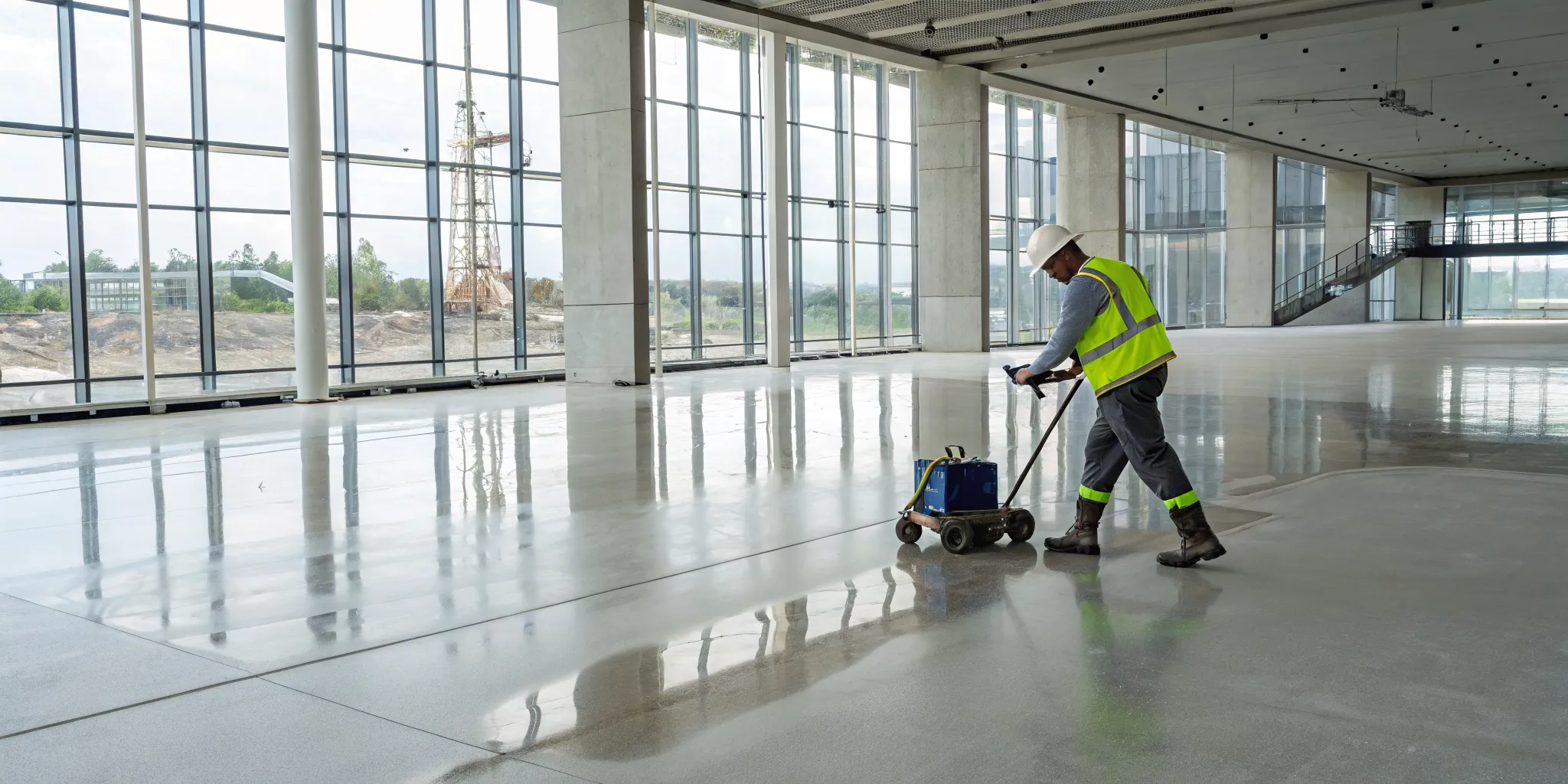
You have a renovation or demolition project that requires cutting into a concrete floor or wall. The problem? You have no idea what’s inside. Are there live electrical lines? Critical post-tension cables? Plumbing? Outdated blueprints are unreliable, and taking a guess is a risk no one should take. This is the exact scenario where concrete scanning GPR provides the solution. This non-destructive technology acts as your eyes, mapping out the hidden infrastructure within the concrete before a single cut is made. It replaces dangerous guesswork with actionable data, allowing your team to plan precise cuts and core drills safely and efficiently. It’s the modern answer to an age-old construction challenge.
Key Takeaways
- See inside concrete before you start work: GPR scanning is a critical safety step that maps out hidden rebar, pipes, and electrical lines, helping you avoid dangerous accidents and expensive repairs.
- Protect your budget and timeline: The cost of a GPR scan is minimal when compared to the massive expenses of repairing a utility strike, which can also cause major project delays and legal headaches.
- Hire a pro for reliable data: A GPR scanner is only as good as its operator, so always work with a certified technician who can accurately interpret the complex data and provide a clear map of what's inside the concrete.
What Is Concrete Scanning with GPR?
Before you cut, drill, or break into a concrete slab, you need to know what’s hidden inside. Hitting a water pipe, electrical conduit, or structural rebar can turn a simple project into a costly and dangerous disaster. This is where concrete scanning with Ground Penetrating Radar (GPR) comes in. Think of it as a high-tech stud finder for concrete, allowing us to see what’s beneath the surface before we ever make the first cut. It’s an essential first step for any project involving concrete, from commercial renovations to residential demolitions.
GPR is a non-destructive technology, which means it gives us a clear picture of embedded objects without damaging the concrete itself. An experienced technician from All Pro Demolition rolls a small device, about the size of a lawnmower, across the surface. This process sends harmless radio waves into the concrete, creating a detailed map of everything from rebar and post-tension cables to pipes and electrical conduits. This simple step is one of the most effective ways to prevent project delays, unexpected repair bills, and serious job site accidents. By identifying potential hazards ahead of time, you can plan your demolition or construction work with confidence, knowing you have a clear path forward.
How Does GPR See Through Concrete?
GPR technology works a bit like a bat using echolocation. The GPR unit sends a high-frequency radio signal down into the concrete. As this signal travels, it bounces back when it hits any material with different properties than the surrounding concrete. For example, when the wave encounters a metal rebar, a PVC pipe, or even an air pocket, it reflects back to the surface.
The GPR antenna captures these reflected waves, measuring how long it took for them to return. This data is then processed in real-time to create a visual map on the technician’s screen. This allows us to identify not only the location of an object but also its approximate depth. Because this entire process uses electromagnetic waves, it’s a completely safe and non-destructive technology that provides immediate results without compromising the structural integrity of the concrete.
Breaking Down the GPR Signal
One common misconception is that GPR provides a perfect, X-ray-like image of what’s inside the concrete. In reality, the raw data looks more like a series of lines and curves, known as hyperbolas. This is where the skill of a certified GPR technician becomes so important. Interpreting these patterns requires extensive training and experience to accurately distinguish between a piece of rebar, an electrical conduit, or a void.
An expert technician can analyze these signals to determine the type, size, and depth of hidden objects with remarkable precision. Under good conditions, a professional can typically locate the center of an object within a quarter-inch. This level of accuracy is critical for planning precise cuts and core drills. Without a trained eye to understand these complex patterns, the data is virtually useless and can lead to incorrect assumptions about what lies beneath the surface.
What Can GPR Find Inside Concrete?
Think of GPR as a special tool that lets you see what’s hidden inside a concrete slab before you make a single cut. It’s a non-destructive way to map out the interior of a structure, revealing potential hazards and critical components without causing any damage. This technology is essential for planning safe and efficient interior and exterior demolition. By identifying what lies beneath the surface, you can avoid costly mistakes and dangerous accidents, ensuring your project runs smoothly from start to finish.
Rebar and Post-Tension Cables
Most concrete structures aren’t just made of concrete; they contain a hidden skeleton of metal for support. This usually includes rebar (steel reinforcing bars) and post-tension cables, which are strong steel strands that keep the concrete under compression. Accidentally cutting into either of these can seriously compromise the building's structural integrity, creating a major safety hazard and leading to expensive, complex repairs. GPR scanning locates these metallic elements precisely, mapping out their depth and position. This gives your team a clear guide for where it's safe to perform services like core drilling.
Electrical Conduits and Pipes
Beyond structural supports, concrete can also hide a network of utilities. GPR is excellent at finding electrical conduits, which are the protective tubes that house live wires, as well as other pipes made of metal or even plastic (PVC). Hitting a hidden electrical line is one of the most dangerous mistakes you can make on a job site, posing a severe risk to your crew. Likewise, puncturing a water or sewer pipe can cause immediate flooding and extensive damage. GPR helps you locate these utilities ahead of time, so you can work around them safely and prevent a small project from turning into a major disaster.
Voids and Air Pockets
Sometimes, the most important thing to find inside concrete is nothing at all. Voids and air pockets are empty spaces that can form when the concrete is poured or can be part of the original design. These gaps can create significant weak spots within a slab or wall. If you’re planning to cut or drill, knowing where these voids are is critical for maintaining the structure's stability. GPR detects these anomalies by identifying changes in the material composition. This allows you to assess the concrete's overall condition and avoid putting pressure on a weak area that could lead to a collapse.
When Should You Use Concrete GPR Scanning?
Knowing when to use GPR is just as important as knowing what it is. Think of it as a non-negotiable safety check before you alter any concrete structure. Scanning is your best defense against costly, dangerous, and time-consuming mistakes. It’s a simple step that protects your crew, your budget, and your building’s integrity. Here are the most common times you’ll want to call in a GPR specialist.
Before Starting New Construction
Breaking ground on a new project is exciting, but it also comes with hidden risks. You might think the standard "call before you dig" service covers everything, but that’s not always the case. Many private utilities and unmarked subsurface features are invisible to that process. GPR scanning helps contractors see what's below before the first shovel hits the dirt. By mapping out underground utilities, foundations, and other potential obstructions, you can plan your excavation with confidence, preventing unexpected delays and costly damages right from the start.
During Renovations and Demolitions
When you’re working inside an existing building, you’re dealing with decades of potential changes hidden within the structure. GPR scanning is essential before you start any cutting, drilling, or demolition. It allows you to investigate subsurface conditions without causing damage. Our team at All Pro Demolition uses GPR to locate electrical conduits, plumbing lines, and structural reinforcements embedded in concrete walls and floors. This ensures that when we perform interior demolition, we do it safely and efficiently, without accidentally cutting a critical utility line or compromising the building's stability.
Ahead of Core Drilling or Cutting
Core drilling or saw-cutting concrete is a precise job that leaves no room for error. Hitting a post-tension cable can cause a dangerous explosion of energy, while severing a live electrical conduit can lead to serious injury. By using GPR technology, construction teams can identify these potential obstacles before drilling or cutting begins, thereby preventing expensive damages and ensuring everyone’s safety. A quick scan provides a clear map of what’s inside the concrete, allowing you to mark safe zones for drilling and avoid the hazards lurking just beneath the surface.
How GPR Scanning Keeps Your Project Safe
On any demolition or construction site, safety is non-negotiable. Cutting or drilling into concrete without knowing what’s inside is a huge gamble. You risk hitting live electrical lines, critical plumbing, or structural supports that keep the building standing. Ground-penetrating radar is one of the most effective tools for managing these risks. By using GPR scanning before you start, you’re not just following a procedure; you’re actively creating a safer environment for your crew and protecting the integrity of your project from start to finish. It’s about replacing guesswork with clear, actionable data.
Prevent Dangerous Utility Strikes
One of the biggest fears on a job site is accidentally hitting a hidden utility line. Striking a water main can cause massive flooding and damage, while hitting a gas line or a live electrical conduit can have catastrophic consequences. GPR scanning helps you map out these potential hazards before any cutting, coring, or demolition begins. By identifying the precise location of pipes and conduits embedded in the concrete, you can work around them safely. This proactive step prevents dangerous accidents, avoids costly repairs, and keeps your project from being derailed by an unexpected utility strike. It’s a simple scan that can save you from a world of trouble.
Protect Your Building’s Structural Integrity
Concrete slabs and walls aren’t just solid blocks; they contain a network of rebar, mesh, and post-tension cables that give the structure its strength. Cutting through one of these elements by mistake can compromise the building's stability. GPR is a non-destructive technology, meaning it allows us to see inside the concrete without drilling a single hole. We can locate and map out the entire structural reinforcement grid. This information is critical for ensuring that any cuts or cores are placed in safe locations, preserving the structural integrity of the building and preventing long-term problems. It’s the smartest way to make changes to a structure without weakening its foundation.
Minimize Liability and Legal Risks
Accidents on a construction site don’t just lead to project delays; they lead to serious financial and legal consequences. Utility strikes alone can cost businesses billions in damages, fines, and legal fees each year. By investing in GPR scanning upfront, you create a detailed record of due diligence. You’re demonstrating a commitment to safety and taking measurable steps to prevent accidents. This not only protects your workers but also shields your business from the liability associated with property damage or injury. Think of it as an insurance policy that pays off by helping you avoid disaster in the first place.
What Affects GPR Scanning Accuracy?
Ground Penetrating Radar is an incredibly precise tool, but it’s not magic. Think of it like a high-tech fish finder; it shows you what’s below the surface, but the clarity of the image depends on the water conditions. Several on-site factors can influence how well the GPR signal works, which is why having a skilled technician is so important. An expert knows how to read the data and account for these variables to give you the most accurate picture possible. Understanding these factors ahead of time can help you prepare your site and know what to expect from your scan.
Concrete Condition and Moisture
The state of the concrete itself is one of the biggest factors in GPR accuracy. GPR technology performs best when scanning concrete that is dry and fully cured. If the concrete is very new (less than three months old) or saturated with water, the GPR signal can scatter, making it difficult to penetrate deep into the slab and get a clear reading. This is because high moisture content absorbs the radar’s energy. For the best results, your GPR scanning should be scheduled when the concrete is in a dry, stable condition.
Scan Depth and Signal Strength
GPR scanners used for concrete can typically see about 18 to 24 inches deep. The deeper the signal needs to go, the weaker it becomes, which can affect the detail of the results. However, in ideal conditions, a trained technician can achieve remarkable precision. An expert can usually locate the center of an embedded object, like rebar or a conduit, within a quarter-inch of its actual position. They can also determine its depth within about half an inch. This level of accuracy is crucial for safely planning your cuts or drills and depends heavily on the operator’s ability to interpret the GPR data correctly.
On-Site Interference
Sometimes, other materials on the job site can get in the way of the GPR signal. Dense materials like granite, marble, or even aluminum can block the radar waves, creating blind spots in the scan. A high concentration of reinforcement, such as multiple layers of rebar or dense wire mesh, can also make the readings more complex and harder to decipher. These challenges don’t make scanning impossible, but they do require an experienced technician who can identify these interferences and adjust their approach to ensure you get a reliable map of what’s inside the concrete.
Is GPR Concrete Scanning a Worthwhile Investment?
When you’re managing a project budget, every line item gets a second look. It’s easy to see GPR concrete scanning as just another expense, but it’s more accurate to think of it as an insurance policy for your project’s timeline, budget, and safety. The real question isn’t whether you can afford to scan, but whether you can afford not to. Cutting, coring, or drilling into concrete without knowing what’s inside is a huge gamble. You’re betting that there are no critical electrical conduits, plumbing lines, or structural reinforcements hiding just beneath the surface.
The upfront cost of a professional GPR scan is a fraction of what you’d spend on a single accident. A utility strike doesn’t just mean a repair bill; it means project shutdowns, potential fines, and a damaged reputation. By investing in a clear picture of what’s underground or inside the concrete, you’re buying certainty. You can plan your work with confidence, protect your crew, and keep the entire project running smoothly. The following points break down exactly how this investment pays for itself, often before the first cut is even made.
Weighing the Upfront Cost vs. Expensive Repairs
Let’s talk numbers. The cost of a GPR scan can seem like an extra expense on an already tight budget. But compare that to the cost of a mistake. Hitting a single hidden utility line can lead to an average cost of $56,000 when you factor in repairs, project delays, and potential fines. Suddenly, the price of a scan looks incredibly reasonable.
Think of it as preventative maintenance for your project. You’re spending a small amount upfront to avoid a catastrophic failure down the road. That one-time scanning fee protects you from devastating repair bills, keeps your insurance premiums from spiking, and helps you avoid the kind of budget-destroying accident that can derail an entire job.
Keep Your Project on Schedule
In construction and demolition, delays are expensive. Every day your crew is idle or your equipment sits unused, your budget takes a hit. One of the biggest causes of unexpected delays is discovering something in the concrete you weren’t prepared for, like a post-tension cable or a dense grid of rebar. This discovery can bring work to a screeching halt while you re-evaluate your plans.
By using GPR technology, you can identify potential obstacles before the work even starts. Having a detailed map of the concrete’s interior allows you to plan your cuts and cores precisely, avoiding surprises that lead to costly downtime. This proactive approach ensures your project moves forward efficiently and stays on schedule.
Get Real-Time Data to Make Faster Decisions
One of the greatest advantages of GPR is the speed at which it delivers information. The technology provides real-time imaging of what’s inside the concrete, allowing technicians to interpret the data and mark out findings directly on the surface. This means you get actionable information on the spot, without waiting for reports to be processed.
This immediate feedback loop allows your team to make faster, more informed decisions. Instead of relying on outdated blueprints or risky guesswork, you have a clear, accurate map to guide your work. When you work with a certified technician for your GPR scanning, you can proceed with confidence, knowing your demolition or drilling plan is based on precise data.
Common GPR Myths, Busted
Ground Penetrating Radar is an amazing technology, but it’s also surrounded by a lot of confusion. Because it can "see" through solid concrete, people sometimes think it works like something out of a sci-fi movie. This can lead to some unrealistic expectations about what GPR can and can’t do for your project. Let's clear up a few of the most common myths so you know exactly what to expect when you bring in a GPR team.
Myth #1: “GPR gives you a perfect X-ray image.”
It’s a common belief that GPR provides a crystal-clear, X-ray style picture of everything hidden in the concrete. The reality is a bit more complex. The scanner’s screen doesn’t show a photo; it displays a series of arches and wavy lines called hyperbolas. This raw data looks more like static to an untrained eye. A certified GPR technician is trained to interpret these patterns, distinguishing the signature of a rebar from that of an electrical conduit or a water pipe. Think of it less like an instant photograph and more like a technical chart that requires an expert to translate it into a clear, actionable map of what lies beneath the surface.
Myth #2: “Anyone can use a GPR scanner.”
You might see GPR machines for rent and think it’s a simple DIY task. While the equipment itself has become more user-friendly, operating it is only half the job. The real skill lies in understanding the data it produces. An experienced technician knows how to calibrate the machine for specific site conditions and, more importantly, how to analyze the complex signals it receives. They can tell the difference between harmless metal mesh and critical post-tension cables. Hiring a professional for GPR scanning doesn't just get you data; it gets you reliable answers that keep your project safe and on track.
Myth #3: “GPR works on any type of concrete.”
GPR is versatile, but its performance depends heavily on the condition of the concrete. The technology works best on dry, fully cured concrete slabs. If the concrete is very wet, saturated, or freshly poured (less than three months old), the high moisture content can scatter the GPR signal. This makes it difficult for the waves to penetrate deeply and can obscure the objects within. An expert technician can assess these conditions and adjust their approach, but it’s important to know that certain environmental factors can limit the depth and clarity of a scan.
Myth #4: “GPR scanning is always 100% accurate.”
While GPR is an incredibly precise tool, it’s not perfect. In ideal conditions, a skilled technician can typically locate the center of an object within a quarter-inch and determine its depth within about half an inch. However, accuracy can be affected by several factors. Highly congested areas with multiple layers of rebar, dense wire mesh, or small, irregularly shaped targets can make it challenging to get a perfect reading. This is why working with an experienced team is so important, especially before you begin any core drilling or cutting. They can provide the most accurate markings possible to guide your work safely.
GPR vs. X-Ray: Which Method Is Better?
When you need to see inside a concrete structure before you cut, core, or demolish it, you have two main technologies to choose from: GPR and X-ray. For a long time, X-ray was a standard method, but it comes with major logistical and safety challenges. Today, Ground Penetrating Radar (GPR) has become the preferred choice for most contractors, engineers, and property managers because it’s faster, safer, and far more versatile.
Choosing between these two isn't just a technical decision; it directly impacts your project's timeline, budget, and safety. While both can identify hidden elements within concrete, GPR’s modern approach avoids the significant disruptions that come with traditional X-ray. For projects that need to stay on schedule and keep workers safe without causing unnecessary downtime, GPR provides a clear advantage. It delivers the critical data you need without the logistical headaches, making it the smarter choice for nearly any scenario.
The Limits of Traditional Scanning
Using X-ray on a construction site is a lot more complicated than it sounds. First, it involves ionizing radiation, which poses a health risk. To use it safely, you must clear a large area on all sides of the slab being scanned, including floors above and below. This stops all other work in its tracks, creating significant project delays. Second, the process requires a transmitter on one side of the concrete and a film or digital receiver on the other. This is often impossible for slab-on-grade foundations, retaining walls, or any structure where you can't access both sides, making X-ray completely unusable in many common situations.
The Advantage of Non-Destructive Technology
GPR is a game-changer because it’s a completely non-destructive technology that is both safe and efficient. It works by sending harmless radar pulses into the concrete from a small, portable device, and it only requires access to one side of the structure. A trained technician simply rolls the scanner over the surface and gets real-time images of what’s inside. There’s no radiation, so your crew can continue working nearby without interruption. This technology allows you to quickly locate rebar, post-tension cables, conduits, and voids before you begin work. By using GPR scanning, you can prevent costly damage, avoid dangerous utility strikes, and keep your project moving forward.
Your GPR Safety Checklist
Using GPR scanning is one of the smartest moves you can make to protect your crew, your property, and your budget. But to get the most out of the technology, you need a clear process. Think of this as your go-to checklist for every project. Following these simple steps ensures that you’re not just scanning the concrete, but you’re also creating a safer, more efficient job site from start to finish. It’s all about turning that valuable data into actionable, on-the-ground safety measures.
Assess the Site Before You Scan
Before the scanner even comes out of the case, take a walk around the site. A good GPR technician will want to understand the full context of the project. Are there visible signs of previous repairs? What are the known utility entry points? This initial assessment helps the technician calibrate the equipment and know what to look for. By using GPR, your team can identify potential obstacles before any cutting or drilling begins, which is key to preventing expensive damage and keeping everyone safe. This simple first step sets the stage for a much more accurate and useful scan.
Clearly Mark All Findings On-Site
A GPR scan report is useful, but clear markings on the concrete surface are even better. Once the scan is complete, the technician should mark the location of all findings directly on the slab. GPR scanning helps pinpoint subsurface elements like post-tension cables, rebar, and electrical conduits before it's too late. Having these findings painted or drawn on the ground provides an immediate visual guide for your crew. This way, anyone performing core drilling or saw-cutting knows exactly where they can work safely and where they need to stop, eliminating guesswork and reducing the risk of a dangerous strike.
Work with a Certified GPR Technician
GPR equipment is powerful, but it’s not a simple point-and-shoot device. The data it produces looks like a series of lines and arcs that require a trained eye to interpret correctly. Professional GPR experts are trained to read these patterns and can tell the difference between objects like rebar and live electrical conduits. Working with a certified GPR technician is non-negotiable if you want reliable results. Their expertise is what helps you avoid risk, improve project efficiency, and ensure you’re making decisions based on accurate information, not just a guess.
Get Expert GPR Concrete Scanning in Georgia
When your project involves cutting, coring, or drilling into a concrete slab, you can’t afford to guess what’s hidden inside. Hitting a post-tension cable, electrical conduit, or water line can lead to expensive repairs, dangerous accidents, and major project delays. This is where professional Ground Penetrating Radar (GPR) scanning becomes an essential first step. GPR is a non-destructive technology that lets us locate hidden objects within concrete structures, giving you a clear and accurate map before you make the first cut.
Having the right equipment is only half the battle. The real value comes from working with a technician who can accurately interpret the GPR data. An experienced professional can distinguish between rebar, conduits, and voids, providing the critical information you need to proceed with confidence. For projects across Georgia, from Atlanta to Savannah, having a reliable team on your side makes all the difference. At All Pro Demolition, we provide expert GPR scanning services that give you a clear picture of what lies beneath the surface. This step is crucial before we perform any core drilling or demolition, as it protects the building's integrity and keeps everyone on the job site safe.
We know that project budgets are always a top concern. That’s why we’re committed to offering professional, accurate GPR scanning at the best rates in Georgia. You shouldn't have to compromise on safety to stay on budget. By identifying potential hazards ahead of time, our scanning services save you money in the long run by preventing costly damage and keeping your project on schedule. If you need to see inside a concrete structure for an upcoming renovation, demolition, or construction project, let our team help you do it safely and affordably.
Frequently Asked Questions
Why can't I just rely on the building's original blueprints? Blueprints are a fantastic starting point, but they rarely tell the whole story. Over the life of a building, undocumented repairs and renovations can add new plumbing or electrical lines that never made it onto the official plans. GPR scanning gives you a current, real-world view of what’s inside the concrete right now, catching any surprises before they become problems.
Is the GPR scanning process safe for my employees or family to be around? Yes, it is completely safe. GPR technology uses the same kind of harmless, low-energy radio waves that a car radio does. It does not produce any radiation, so unlike an X-ray, there is no need to clear the area. Your crew can continue working nearby without any risk or interruption to their tasks.
Can GPR tell the difference between something dangerous, like an electrical line, and regular rebar? This is where a technician's expertise becomes critical. To an untrained eye, the data can be confusing, but a certified professional is trained to interpret the distinct signatures that different objects create. They analyze the signal's shape and characteristics to accurately distinguish between a structural support like rebar and a potential hazard like a live electrical conduit.
How long does a typical GPR scan take? The exact time depends on the size and complexity of the area you need scanned, but the process is very efficient. A standard room or small slab can often be scanned in just a few hours. Since the technician gets data in real-time, they can mark findings directly on the surface, giving you immediate answers so your project can keep moving.
What do I need to do to prepare the area for a GPR scan? Preparation is simple. The most helpful thing you can do is make sure the concrete surface is clean, dry, and clear of any tools, debris, or stored materials. This allows the GPR equipment to roll smoothly across the surface and get the best possible signal, which leads to the most accurate results for your project.