
A Guide to Demolition and Debris Removal
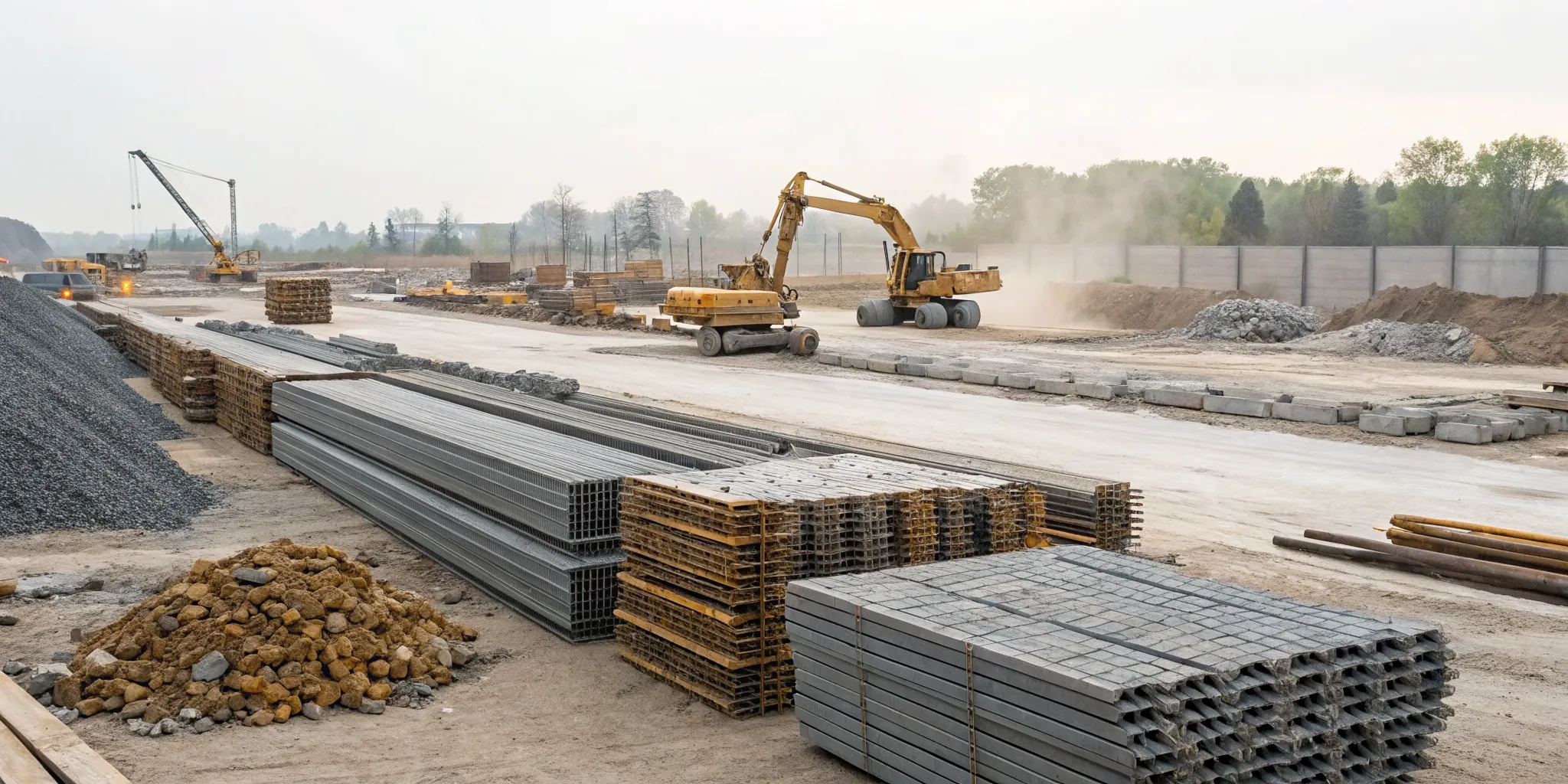
You're ready for a big change on your property, but a structure stands in your way. Now comes the big question: do you grab a sledgehammer and handle it yourself, or do you call in the professionals? While the DIY route can seem tempting for saving money, demolition is one area where expertise truly matters. The process involves significant safety risks, complex logistics, and a surprising amount of waste. This is why understanding the full scope of professional demolition and debris removal is so important. It’s not just about having the right tools to tear something down, but also having the equipment and plan to clear the site completely. Let's explore what’s involved so you can make the safest, smartest choice for your project.
Key Takeaways
- Demolition is a comprehensive service: Professional demolition goes beyond simple teardowns; it includes precise interior work, full-site clearing, responsible debris removal, and eco-friendly material recycling.
- Safety and compliance come first: For any project involving structural changes, hiring a professional is essential to manage safety risks, properly dispose of hazardous materials, and handle all required local permits.
- Vet your contractor carefully: Always confirm a company is licensed and insured, ask for a detailed quote that breaks down all costs, and read past client reviews to ensure you are hiring a trustworthy partner.
What Do Demolition Services Include?
When you think of demolition, you might picture a wrecking ball taking down a whole building. While that’s one type, professional demolition is often much more precise. Demolition services cover a wide range of tasks, from carefully removing a single interior wall to clearing an entire site for new construction. A professional company will work with you to figure out the exact scope you need, ensuring the job is done safely and efficiently. Let’s walk through the most common services you’ll find.
Interior Demolition
Interior demolition is all about taking things apart from the inside out. This service involves carefully dismantling non-structural elements like walls, ceilings, flooring, and fixtures within a building. It’s the first step in most major home or commercial renovations. Unlike a total teardown, this process is often selective, targeting specific areas while protecting the rest of the building's structure. Professional teams handle selective interior demolition with precision, which is especially important when dealing with older materials that might require special handling, like asbestos. This careful approach ensures your space is a clean slate for whatever you have planned next.
Exterior Demolition
When your project involves changing the outside of a building, you’ll need exterior demolition. This can range from removing a building’s facade, porch, or roof to taking down the entire structure. This service is common when preparing a property for a complete rebuild or a large-scale addition. Professionals handle the demolition of exterior walls, foundations, and other outdoor structures, clearing the way for new construction to begin. It’s a much larger undertaking than interior work and requires heavy machinery, careful planning, and a strong focus on site safety to protect surrounding properties and create a stable foundation for future work.
Debris Removal and Hauling
Demolition doesn’t end when the last wall comes down. A critical part of the process is the cleanup, which includes the removal and hauling of all unwanted materials and debris. A clean worksite is a safe worksite, and professional demolition companies will ensure that everything from concrete and wood to metal and drywall is cleared away. This leaves you with a tidy, hazard-free area, ready for the next phase of your project, whether it’s landscaping, framing, or foundation work. Leaving the hauling to the pros also means you don’t have to worry about renting a dumpster or finding the right place to dispose of different materials.
Specialized Services: Core Drilling and GPR Scanning
Beyond tearing down structures, many demolition companies offer specialized technical services. Core drilling and GPR scanning are two great examples. Ground Penetrating Radar (GPR) scanning allows technicians to "see" through concrete and identify rebar, pipes, or electrical conduits before cutting or drilling. Core drilling creates clean, precise holes through concrete for plumbing, electrical, or HVAC installations. Both services are key parts of a comprehensive demolition safety plan, as they help identify potential risks and prevent costly or dangerous mistakes during the demolition process.
What Kind of Debris Can Be Hauled Away?
Once the dust settles on your demolition project, you’re left with a mountain of debris. So, what happens to it all? A key part of any professional demolition service is the cleanup and hauling process. You don't have to worry about renting a dumpster or making endless trips to the landfill. A full-service company handles the entire process, ensuring your site is clean, safe, and ready for the next phase of your project. This is a huge relief, especially when you see just how much waste even a small demolition can generate.
The materials removed can range from heavy structural components to smaller interior finishes. Most construction waste falls into a few main categories: heavy materials like concrete and brick, common building materials like wood and drywall, and salvageable items like metal fixtures. However, it's also important to know that some materials are considered hazardous and require special handling. Understanding what can and can't be hauled away with general debris helps you plan your project and ensures everything is disposed of properly and legally. At All Pro Demolition, we manage all the debris removal, so you can focus on what's next for your space. We’ll sort, load, and haul everything away, leaving you with a clean slate.
Concrete, Masonry, and Structural Materials
After an exterior or significant interior demolition, you’ll likely have a lot of heavy, dense materials to deal with. This category includes things like concrete from foundations or patios, rubble from torn-down walls, bricks, stone, and structural steel beams. These materials are not only heavy but also bulky and difficult to handle without the right equipment. A professional demolition crew has the machinery to break down, load, and haul away these items safely and efficiently. Leaving this work to the pros prevents personal injury and property damage that can happen when trying to move these materials on your own.
Wood, Drywall, and Building Materials
This category covers the most common materials found in interior demolition projects. Think of all the components that make up the inside of a building: drywall, sheetrock, plasterboard, wood studs, flooring, and insulation. While these items may not be as heavy as concrete, they create a large volume of debris that can quickly fill up a space. A professional team can efficiently clear out these materials, separating them as needed for proper disposal. This ensures your project site stays organized and safe, preventing trip hazards and allowing other contractors to get to work sooner.
Metal and Salvageable Materials
Not everything from a demolition project is destined for the landfill. Many materials can be salvaged and recycled, which is both cost-effective and environmentally friendly. This practice is often part of what's known as green demolition. Items like copper pipes, aluminum siding, steel beams, doors, windows, and even old bricks can often be recovered. A good demolition company will identify these valuable materials during the project. Salvaging them can sometimes offset project costs and reduces the environmental impact by giving these materials a second life instead of sending them to a landfill.
Restricted and Hazardous Materials
This is the most critical category to pay attention to, as improper handling can pose serious health and legal risks. Certain materials cannot be thrown away with regular construction debris because they are hazardous. The most well-known example is asbestos, which was common in older insulation, tiles, and siding. Other examples include lead-based paint, mercury-containing thermostats, and certain chemicals. You must contact a company that specializes in handling and disposing of hazardous materials for proper removal. A reputable demolition contractor will know how to identify these risks and follow strict protocols to ensure they are managed safely and in compliance with all regulations.
How Much Does Demolition Cost?
Let's talk numbers. One of the first questions on anyone's mind when planning a project is, "What's the budget?" The cost of demolition isn't one-size-fits-all; it varies widely based on the scope of your project. While industry averages provide a starting point, the final price tag depends on several key factors. Understanding these variables will help you get a clearer picture of the potential investment and ensure you’re getting a fair price. Remember, the best way to determine the cost for your specific needs is to get a detailed quote from a professional.
Typical Costs by Project Type
Generally, you can expect different price ranges for residential versus commercial jobs. A standard residential demolition, like taking down a garage or a small house, might fall between $5,000 and $15,000. Commercial projects are a different story. Due to their larger scale, complex structures, and heavier materials, commercial demolition can range from $15,000 to well over $100,000. These figures are just ballpark estimates, of course. The most accurate way to budget is to have a specialist assess the property and provide a custom quote based on your unique requirements.
What Factors Affect the Price?
Several elements influence the final cost of a demolition project. The size of the structure is the most obvious factor, as a larger building requires more labor, time, and equipment. The materials involved also play a big role. For example, demolishing a concrete structure is more intensive than taking down a wood-frame building. Your location can affect costs related to logistics and disposal fees. Finally, the presence of hazardous materials like asbestos or lead paint will increase the price, as they require specialized handling and disposal procedures to ensure everyone’s safety.
Watch Out for These Hidden Costs
To avoid surprises, it’s important to be aware of potential costs that might not be included in an initial estimate. Permitting is a big one. Different cities and counties across Georgia have their own rules, and failing to secure the right permits can lead to hefty fines and project delays. A professional demolition company can help you sort out what’s required. Additionally, older buildings may need an environmental assessment to check for hazardous substances. Factoring in these possibilities from the start helps create a more realistic budget and a smoother project from beginning to end.
Should You DIY or Hire a Pro for Demolition?
Deciding between a DIY demolition and hiring a professional is a big deal. While tackling a project yourself can feel empowering and seem like a great way to save money, it’s crucial to know when to step back and call in an expert. The right choice depends on the size of your project, your experience level, and the potential risks involved. Getting this decision right from the start protects your property, your budget, and most importantly, your safety.
Before you pick up a sledgehammer, let’s walk through when a DIY approach might be suitable and when it’s time to hand the job over to a professional demolition team.
When DIY Might Work
A DIY approach can be a good fit for small, straightforward projects where structural elements aren't involved. Think tasks like tearing out old kitchen cabinets, removing outdated flooring, or taking down a small, non-load-bearing wall. If you're dismantling a small backyard shed or a simple fence, you might also be able to handle it on your own. For these minor jobs, the scope is manageable, and the risks are relatively low.
Even with a small project, remember that safety is key. Always wear the proper personal protective equipment, including steel-toed boots, safety glasses, gloves, and a dust mask. You'll also need to figure out a plan for debris removal, as your regular trash service may not accept construction materials.
When to Call a Professional
For almost any other demolition task, hiring a professional is the safest and most efficient path forward. Demolition is more than just tearing things down; it involves serious hazards. According to OSHA, demolition work is subject to the same strict construction standards as building from the ground up. Professionals are trained to manage these risks, from preventing structural collapse to handling hazardous materials like asbestos or lead paint. They conduct site assessments and create a safety plan before work even begins.
Beyond safety, professionals handle the entire process. A licensed team like All Pro Demolition has the right equipment for the job, ensuring it’s done correctly and quickly. We also manage the complex logistics of debris removal, which for larger projects requires dumpsters and specific disposal methods. If your project involves load-bearing walls, electrical wiring, or plumbing, calling a pro isn't just a good idea, it's essential.
How to Choose the Right Demolition Company
Picking the right demolition company is one of the most important decisions you'll make for your project. The right partner ensures the job is done safely, on schedule, and within budget, while the wrong one can lead to costly delays and safety hazards. To make a confident choice, focus on a few key areas that separate the professionals from the rest.
Check for Licensing and Insurance
Before you even ask for a price, your first step should be to confirm that any company you consider is properly licensed and insured. This is not just a formality; it’s a critical safeguard for your project. Licensing proves the contractor meets state and local requirements to perform the work legally. Insurance, including liability and workers' compensation, protects you from being held financially responsible for any accidents or property damage that might occur. Don't just take their word for it; ask for proof and verify it. A professional company will have this information ready and will be happy to provide it.
Review Their Experience and Services
Experience is a huge factor in demolition. An experienced team knows how to anticipate challenges and handle the unexpected, from tricky structural elements to navigating tight job sites. Look for a company with a proven track record on projects similar to yours. Also, consider the range of services they offer. A company that provides specialized services like core drilling or GPR scanning is likely more skilled and better equipped. This expertise ensures they follow all required safety standards and can manage the entire process efficiently from start to finish.
Ask for a Transparent Quote
When you request a quote, you're looking for more than just a number. A trustworthy company will provide a detailed, transparent estimate that breaks down all the costs. This should include labor, equipment rentals, debris hauling, and any potential disposal or permit fees. Be wary of vague quotes or bids that seem too good to be true, as they might hide future costs. A clear quote shows that the company is organized and honest, giving you a complete picture of the investment required and helping you avoid any surprises down the road.
Read Reviews and Testimonials
Finally, see what past customers have to say. Reading online reviews and testimonials gives you a real-world look at a company's professionalism, reliability, and quality of work. Look for patterns in the feedback. Are clients consistently happy with the communication? Do they mention that the crew was respectful of their property and cleaned up the site afterward? While a single bad review isn't necessarily a dealbreaker, a consistent theme of negative experiences is a major red flag. Positive feedback from other property owners and contractors is a strong indicator that you're choosing a dependable partner.
Can Demolition Be Eco-Friendly?
When you picture a demolition site, you probably imagine a wrecking ball swinging into a building, followed by a giant cloud of dust. The traditional image isn’t exactly a green one, and for a long time, demolition was synonymous with waste. Thankfully, the industry has made huge strides in sustainability. Modern, responsible demolition is less about total destruction and more about careful deconstruction. It’s a methodical process that prioritizes recovering valuable materials and protecting the environment from harmful waste before the heavy equipment even arrives on site. This shift in thinking transforms a project from a simple teardown into an opportunity for resource recovery.
Choosing a company that practices eco-friendly demolition means you’re not just clearing a site; you’re making a responsible choice that minimizes your project's environmental footprint. At All Pro Demolition, we believe in smart demolition that respects both your property and our planet. This approach involves a few key strategies that turn what could be a wasteful process into a much greener one, from salvaging reusable fixtures to ensuring every piece of debris is sorted for recycling. It’s about being intentional every step of the way, ensuring that the end of one building’s life can contribute to the beginning of another.
Recycling and Salvaging Materials
A surprising amount of a building can be given a second life. Instead of sending everything straight to the landfill, a green demolition process involves identifying and recovering reusable items. Many materials can be salvaged from a project, including copper pipes, wiring, bricks, doors, windows, and even structural wood beams. These items can be sold, donated, or recycled into new products. This not only keeps tons of waste out of our landfills but also conserves the natural resources and energy that would have been used to create new materials from scratch. It’s a thoughtful approach that adds value back into the system.
Disposing of Hazardous Waste Responsibly
Older buildings often contain materials that are harmful to people and the environment, like asbestos, lead paint, and mercury. Handling these substances requires specialized training and equipment. A professional demolition crew knows how to identify these risks and manage them safely. For example, asbestos is a hazardous waste that requires careful removal and disposal by a certified company to prevent its dangerous fibers from becoming airborne. Reputable demolition contractors work with environmental services companies to ensure all toxins are removed and disposed of according to strict regulations, protecting the health of the crew, the community, and the local ecosystem.
Reducing Landfill Waste
The ultimate goal of eco-friendly demolition is to send as little as possible to the landfill. By combining careful salvaging with responsible hazardous waste disposal, a huge portion of a building’s materials can be diverted. The philosophy is to recycle, donate, and reuse as much as possible. Concrete can be crushed and used as aggregate for new construction projects, wood can be chipped for mulch or biomass fuel, and metals can be melted down and reformed. This circular approach to deconstruction significantly reduces the environmental impact of a project and supports a more sustainable building industry for everyone.
Demolition in Georgia: What You Need to Know
Taking down a structure in Georgia involves more than just heavy machinery. It’s a process governed by specific state and local rules designed to keep everyone safe and ensure the job is done right. Understanding these requirements is the first step to a successful project, whether you’re a homeowner planning a renovation or a contractor clearing a site. From safety protocols to local permits, here's what you need to know about demolition in the Peach State.
Site Assessments and Safety Rules
Before a single wall comes down, a thorough site assessment is essential. This isn't just a quick look around; it's a professional evaluation to identify potential hazards like asbestos, lead paint, weakened structures, and nearby utility lines. Safety is the most important part of any demolition project. In fact, the work is so specialized that the Occupational Safety and Health Administration (OSHA) has specific federal safety standards just for demolition. A professional crew will create a detailed safety plan based on the site assessment to manage risks and ensure the entire process is secure for workers and the surrounding property.
Local Permits and Regulations
Every demolition project in Georgia requires the right paperwork. You will almost certainly need to secure a demolition permit from your city or county government before work can begin. These regulations vary significantly across the state, so what’s required in Atlanta might be different from the rules in Savannah or Macon. These permits ensure that the demolition is performed safely, that utility lines are properly disconnected, and that debris will be handled correctly. Failing to get the right permits can lead to fines and major project delays, which is why it’s a step you can’t afford to skip.
Why Work With a Georgia Demolition Specialist?
Hiring a professional who specializes in Georgia demolition is the best way to make sure your project goes smoothly. A local expert understands the specific codes and permit requirements for different municipalities, from Fulton County to the Georgia coast. They have experience with the region’s common construction types and know how to handle local challenges. A Georgia demolition specialist will manage the entire process, from the initial site assessment and permitting to the final debris removal, ensuring your project is completed safely, legally, and efficiently. This expertise saves you from potential headaches, costly fines, and project delays.
Related Articles
- 7 Demolition Safety Standards Every Homeowner Should Understand
- Top 5 Myths About Demolition
- Construction Waste Removal: What We Take
- Learn About Asbestos
- Construction Debris Disposal Guide
Frequently Asked Questions
How can I get an accurate cost estimate for my specific project? The best way to get a reliable number is with a custom quote. While we can talk about general price ranges, the final cost depends on your project's unique details. A professional will assess the size of the structure, the materials involved (like concrete versus wood), site accessibility, and whether any specialized services are needed. A trustworthy company will provide a detailed, line-by-line estimate so you can see exactly where your money is going, helping you budget confidently without worrying about surprise fees.
What happens if you find something hazardous like asbestos during the demolition? This is a common concern, especially in older properties, and it's a situation professionals are trained to handle. If we suspect a hazardous material is present, we stop work immediately in that area to keep everyone safe. We then coordinate with certified abatement specialists who will test and properly remove the material according to strict safety regulations. Managing these risks is a core part of our job, ensuring the process is safe for your family, our crew, and the environment.
Do I need to get my own demolition permit before I call you? You don't have to sort out the paperwork on your own. While the property owner is responsible for ensuring a project is properly permitted, an experienced demolition partner will manage this process for you. We understand the specific permit requirements for different cities and counties across Georgia, which saves you from the headache of trying to figure out local regulations. Handling the permits is part of our service and helps prevent costly fines or project delays.
Is interior demolition as messy as it sounds? It certainly can be, but a professional team takes specific steps to contain the mess. We know you're often still living or working in other parts of the building, so we prioritize keeping your space clean. This involves sealing off the work area from the rest of the property, using dust control methods, and protecting floors and furniture. After the demolition is complete, we do a thorough cleanup, so you aren't left with a dusty, debris-filled space.
Besides tearing things down, what else does a full-service demolition company handle? A complete demolition service is much more than just destruction. It’s a start-to-finish process that begins with a thorough site assessment and a detailed safety plan. From there, we manage securing the necessary permits, coordinating any hazardous material removal, and of course, performing the demolition itself. Afterward, we handle the entire cleanup, which includes sorting, loading, and hauling away all debris. Our goal is to leave you with a clean, safe site that is perfectly prepped for the next phase of your project.