
How Much Does It Cost to Demolish a Commercial Building?
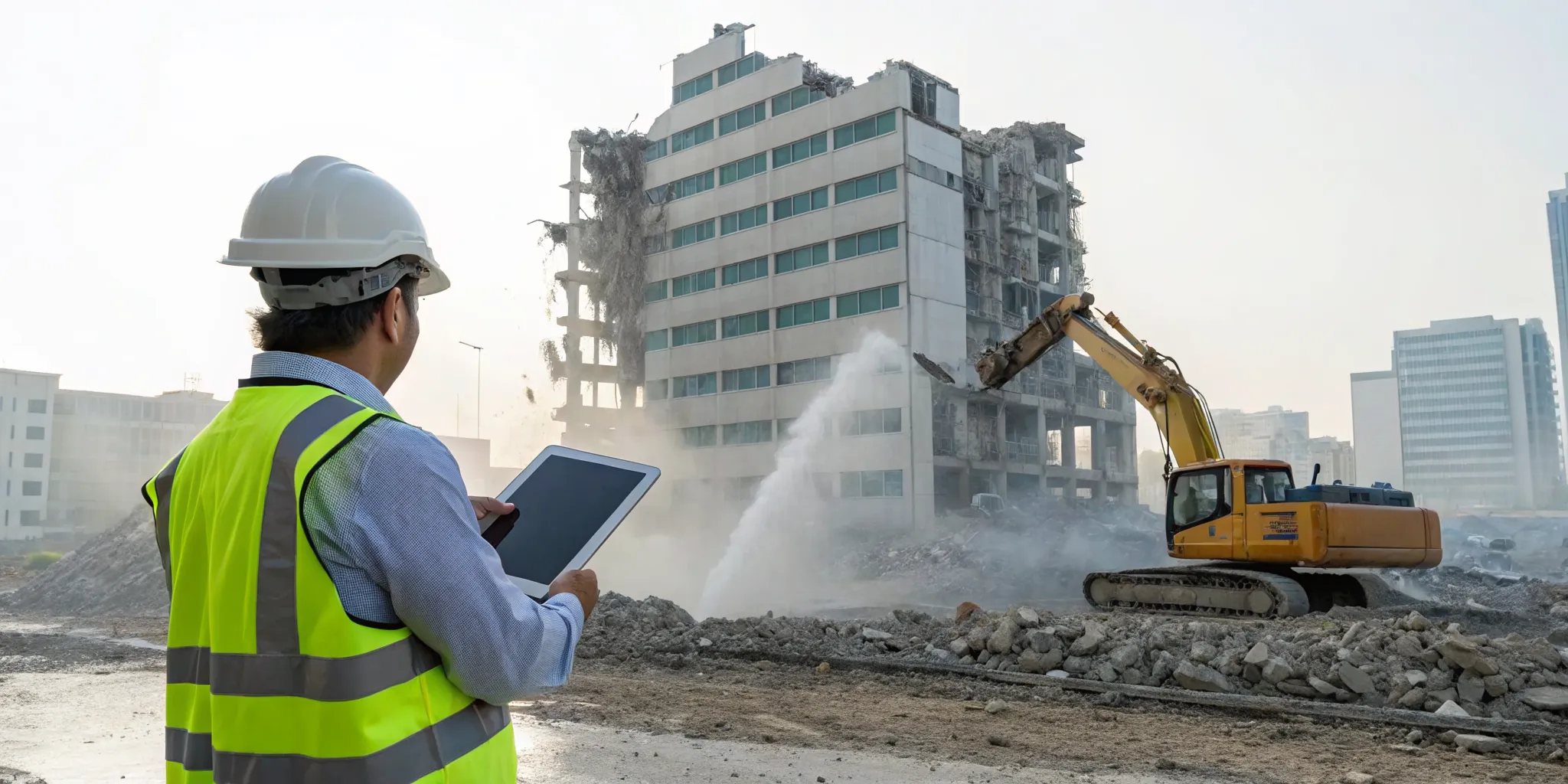
Budgeting for a commercial demolition can feel a bit like buying a house; you know there’s a general price range, but the final number depends entirely on the specifics. A small, simple structure is like a starter home, while a large, complex industrial facility is more like a custom-built estate. This naturally leads to the most important question for any property owner or developer: how much does it cost to demolish a building? While the only way to get a firm number is with a professional site inspection, you don’t have to go into the process blind. In this article, we’ll walk you through the key cost factors, from square footage and building type to hidden expenses like permits and debris hauling, giving you the knowledge to plan effectively.
Key Takeaways
- Your final cost is a custom calculation: Demolition pricing is not a simple menu; it's tailored to your project. Expect a range from $4 to $25 per square foot, with the final number determined by your building's size, location, and complexity.
- A complete budget accounts for more than the teardown: The initial quote covers the demolition itself, but you should also plan for other expenses. Set aside funds for necessary permits, potential hazardous material removal, and final site cleanup to get a true picture of your total investment.
- A good contractor provides a detailed plan, not just a price: When comparing bids, look for an itemized breakdown of all costs. The best partners are transparent and can prove they are licensed and insured, giving you confidence that the job will be done safely and correctly.
How Much Does Commercial Demolition Cost?
Let’s talk about the number one question on everyone’s mind: what’s the budget for a commercial demolition project? The truth is, there’s no single price tag. The cost to tear down a commercial building depends on a whole host of factors, from the building’s size and material to its location. Think of it like buying a car; a compact sedan will have a very different price than a heavy-duty truck.
While the only way to get a firm number is to get a detailed quote from a professional, understanding the national averages can give you a solid starting point for your budget. These figures help you get a ballpark idea of what to expect before you even pick up the phone. As a demolition company serving all of Georgia, we believe in transparency, which is why we want to walk you through the typical costs. Once you have an idea of the general price range, you can reach out to a local expert for a precise demolition estimate tailored to your specific project.
Average Cost Per Square Foot
When you start looking at demolition costs, you’ll see prices are often listed per square foot. This is the most common way to get a rough estimate. On average, you can expect the cost of commercial demolition to fall somewhere between $4 and $8 per square foot. This range typically covers straightforward projects without major complications.
For more complex jobs, like those involving hazardous materials or tight urban spaces, the price can climb. In these cases, costs might range from $8 to $25 per square foot or more. The final figure depends on the specific challenges your building presents, which is why a thorough site inspection is always the first step in getting an accurate quote.
Total Project Cost by Building Type
While the per-square-foot cost is helpful, it’s also useful to see how that translates to total project costs based on building size. The average expense to demolish a commercial building in the U.S. is around $30,500, but this can shift dramatically with size. Interestingly, the price per square foot often increases as the building gets larger due to more complex structural elements and logistical needs.
Here’s a general breakdown:
- 1,000–5,000 sq. ft.: $4–$8 per square foot
- 5,001–10,000 sq. ft.: $8–$12 per square foot
- 10,001–20,000 sq. ft.: $12–$18 per square foot
- 20,001–50,000 sq. ft.: $18–$25 per square foot
For massive structures over 50,000 square feet, the cost will likely exceed $25 per square foot.
What Factors Influence Demolition Costs?
Thinking about a demolition project can feel overwhelming, especially when it comes to the budget. The final price isn't a simple, one-size-fits-all number. Instead, it’s a tailored estimate based on several key details of your specific project. Understanding these factors will help you see what goes into a quote and plan your budget more effectively. From the size of your building to what’s inside its walls, let’s break down the main elements that influence the cost of commercial demolition.
Building Size and Complexity
It makes sense that the bigger the building, the more the demolition will cost. The price is often calculated per square foot, and the typical cost to tear down a commercial building can range from $4 to $25 per square foot. This wide range is because complexity matters just as much as size. A simple, single-story structure will be on the lower end of that scale. However, a building with multiple stories, a complicated design, or a unique structural system requires more planning, specialized equipment, and time, which increases the overall project cost.
Demolition Method
How a building comes down also plays a big role in the price. For most projects, contractors use mechanical demolition. This involves heavy machinery like excavators, bulldozers, and high-reach arms to dismantle the structure piece by piece. It’s a controlled and precise method. A less common method for large structures is implosion, which uses explosives for a rapid collapse. Each approach has different demolition cost implications based on the specific equipment, labor, and safety measures required. Your contractor will determine the safest and most efficient method for your property.
Site Location and Accessibility
Where your building is located is a major factor in your demolition quote. A project in a dense urban center will almost always cost more than one in a more rural or suburban area. This is due to higher labor costs, stricter local regulations, and logistical challenges. Maneuvering heavy equipment in tight spaces, managing traffic, and protecting neighboring properties all add to the complexity and cost. Even within Georgia, a demolition project in downtown Atlanta will have different considerations than one in a smaller town, which is why a site visit is so important for an accurate estimate.
Hazardous Materials
Older buildings can sometimes hide unpleasant and costly surprises, like hazardous materials. Asbestos is the most common culprit, but lead paint and other substances also require special attention. If your building contains these materials, the demolition process becomes more complicated. Federal and state regulations require specialized handling, removal, and disposal procedures to keep workers and the community safe. This careful work can add an extra $2 to $3 per square foot to the project, so it’s a critical factor to identify early on.
Debris Disposal and Hauling
Once the building is down, all that material has to go somewhere. Debris disposal and hauling are significant parts of any demolition budget. The cost includes the labor and equipment to load the debris, the hauling expenses to transport it, and the landfill fees. Hauling costs can easily exceed $1,000, especially if the nearest landfill is far from your site. Landfill fees also vary by location and the type of material being dumped. A professional demolition specialist will manage this entire process for you, ensuring all debris is disposed of responsibly and according to local regulations.
How Building Type Affects Your Demolition Quote
The type of commercial building you need to tear down is one of the biggest factors in determining your final quote. A sprawling warehouse and a multi-level office building present very different challenges, even if they have the same square footage. The original construction, materials used, and internal layout all play a role in the demolition strategy and, consequently, the cost. Understanding these differences can help you set a realistic budget and know what to expect when you start gathering estimates from contractors.
At All Pro Demolition, we’ve handled projects of every shape and size across Georgia, so we know exactly what to look for in each type of structure. Let’s break down what you can generally expect for different commercial properties.
Office Buildings
The cost to demolish an office building can vary quite a bit, typically falling between $4 and $25 per square foot. This wide range is because office buildings themselves are so diverse. A small, single-story suburban office is on the lower end of that scale. In contrast, a larger building in a dense urban area will cost more due to tighter spaces and increased safety precautions. The complexity of the demolition process also plays a major part. Factors like the number of interior walls, the presence of elevators, and the type of HVAC systems all add to the project's scope.
Retail Spaces
For retail spaces like storefronts and small shopping centers, demolition costs generally land between $4 and $8 per square foot. The national average to demolish a commercial building is around $30,500, which gives you a ballpark figure for a standard project. Commercial demolition costs for retail are often more predictable than for offices. However, unique features like large glass storefronts, heavy-duty shelving bolted to the structure, or specialized commercial kitchen equipment can add to the labor and disposal expenses. A clear, open-plan space will almost always be simpler and more affordable to demolish than one with many custom fixtures and fittings.
Industrial Facilities and Warehouses
Industrial buildings and warehouses are often large, open structures, which can simplify the demolition process. In some markets, the cost to demolish industrial facilities can range from $3.68 to $4.75 per square foot. These buildings are typically made of steel, concrete, and metal siding, which are straightforward materials to handle. The main variable here is the potential for hazardous materials. Older industrial sites may have asbestos, lead paint, or chemical residues that require specialized abatement services before demolition can even begin. These environmental factors are a separate cost and are critical to address for safety and compliance.
Multi-Story Buildings
It’s no surprise that taller buildings come with a higher price tag for demolition. The sheer volume of materials in a multi-story building means more labor, more time, and higher disposal fees. Plus, the complexity of safely dismantling a tall structure adds to the cost. Demolition crews can’t just swing a wrecking ball in a crowded area; they often need to deconstruct the building floor by floor. This requires careful planning, specialized equipment like high-reach excavators, and extensive safety measures to protect adjacent properties and the public, all of which contribute to higher demolition costs.
Beyond the Quote: Hidden Costs to Budget For
Getting a quote for your demolition project is a huge first step, but it’s important to remember that the number on that estimate doesn't always tell the whole story. A professional quote from a company like ours covers the direct cost of the demolition work itself. However, several other expenses can pop up along the way. Thinking about these potential costs ahead of time helps you create a realistic budget and prevents surprises down the road. From permits to cleanup, let's walk through the common "hidden" costs you should plan for so you can feel confident about your total project investment.
Hazardous Material Testing and Removal
Before a single wall comes down, the building needs to be inspected for hazardous materials. Things like asbestos, lead paint, and radon were common in older construction and require special handling. Federal and state regulations are very strict about how these materials are managed to keep everyone safe. If any are found, you'll need a certified abatement team to remove and dispose of them properly, which is a separate process from the demolition. This can add a significant amount to your budget, so it's a critical first check before the main work begins. You can learn more about how to protect your family and property from asbestos from the EPA.
Permit and Inspection Fees
You can't just decide to demolish a building one day and start the next. Every demolition project requires official permission from your local city or county government. Securing the right permits is a non-negotiable step, and the fees can vary widely depending on your location and the scope of the project. While some permits might only cost a few hundred dollars, they can climb into the thousands, especially in areas with strict historical preservation rules. These fees cover the administrative work and the necessary inspections to ensure the demolition is done safely and up to code. Factoring this in early prevents delays and potential fines.
Environmental Site Assessments
Beyond testing the building materials, you might need an environmental site assessment (ESA). This is especially common for commercial or industrial properties that may have a history of using chemicals or other pollutants. An ESA investigates the soil and groundwater for contamination to ensure the land is safe for future use after the structure is gone. If contamination is discovered, an environmental cleanup will be required before any new construction can begin. This process can be complex and costly, so it’s an important consideration for properties with an industrial past. Understanding the environmental due diligence process can help you prepare for this possibility.
Final Cleanup and Restoration
Once the demolition is complete, you’re left with a lot of debris. The initial quote might cover the teardown, but it doesn't always include hauling everything away and preparing the site for its next phase. Final cleanup involves removing all the rubble, which can include concrete, wood, and metal, and transporting it to a landfill or recycling facility. Hauling costs can easily exceed $1,000, and that price can increase if the disposal site is far away. This step is essential for leaving you with a clean, clear lot that’s ready for whatever you have planned next, whether it's new construction or a landscaped green space.
A Contingency for Surprises
In any major project, it’s wise to expect the unexpected. That’s where a contingency fund comes in. Big budget issues often don't come from one single mistake but from a series of small, unforeseen problems, like discovering a hidden foundation or dealing with unexpected structural issues. Setting aside a contingency of 10% to 20% of your total estimated project cost gives you a financial cushion to handle these surprises without derailing your project. Think of it as insurance for your budget. It’s a proactive step that provides peace of mind and keeps your project on track, even when you encounter a few bumps in the road.
The Commercial Demolition Process: Step by Step
Taking down a commercial building might seem like pure chaos, but it’s actually a highly organized process. From the initial inspection to the final sweep-up, every step is planned to ensure the project is safe, efficient, and compliant with local regulations. While each site has its own unique challenges, the general flow remains consistent. Understanding this process helps you know what to expect when you partner with a professional demolition contractor. It’s all about a methodical approach that turns a complex job into a series of manageable steps, clearing the way for whatever you have planned next for your property.
Step 1: Assess the Site and Inspect for Hazards
Before any walls come down, safety comes first. The initial step is a thorough site assessment and inspection. A professional team will survey the structure and surrounding area to identify any potential risks. This includes checking for hazardous materials that were common in older construction, such as asbestos, lead paint, and radon. Discovering these materials early is critical. An experienced contractor can then create a specialized plan for their safe removal and disposal, protecting the crew, the public, and the environment. This proactive inspection prevents costly surprises and delays down the road, ensuring the project starts on a solid, safe foundation.
Step 2: Secure Permits and Disconnect Utilities
With a clear understanding of the site, the next phase involves handling the paperwork and logistics. Every demolition project requires the proper permits from local authorities. The requirements and fees can vary depending on your location in Georgia, but a professional contractor will manage this entire process for you. This ensures everything is done by the book. At the same time, all utility services connected to the building must be safely disconnected. This includes shutting off water, electricity, and gas lines at the source. This step is absolutely essential to prevent accidents and create a safe work environment for the demolition crew.
Step 3: Execute the Demolition
This is the part of the process where the action happens. Based on the building’s size, materials, and location, your contractor will use the most effective demolition method. For many projects, this involves mechanical demolition, where heavy machinery like excavators and bulldozers systematically tear down the structure. For projects where materials can be salvaged for reuse or recycling, a team might perform deconstruction, carefully taking the building apart piece by piece. The goal is to bring the structure down safely and efficiently. Our team specializes in both interior and exterior demolition, choosing the right approach for your specific needs.
Step 4: Clear Debris and Clean the Site
Once the structure is down, the job is far from over. The final step is to clear all the resulting debris and leave the site clean and ready for new construction. This involves loading and hauling away materials like concrete, steel, wood, and drywall. Reputable contractors will sort materials, recycling as much as possible to minimize landfill waste. The cost for this step can depend on the volume of debris and the distance to the nearest disposal or recycling facility. A professional crew doesn’t just leave you with a pile of rubble; they ensure the entire site is cleared, graded, and prepared for its next chapter.
How to Get an Accurate Demolition Estimate
Getting a clear and accurate estimate is the most important step in planning your commercial demolition project. A detailed quote helps you set a realistic budget and avoid surprises down the road. The best way to understand the true cost is to get specific price quotes from a few professional demolition companies. Being prepared before you reach out will help contractors give you a more precise number, making the entire process smoother for everyone involved.
What to Prepare Before You Call a Contractor
To get the most accurate quote, you’ll want to have some key information ready before you start contacting contractors. Think of it as doing a little homework to save yourself time and potential headaches later. Gather all the essential details about your project, including the building’s address, square footage, and number of stories. It’s also helpful to know the primary construction materials (like brick, concrete, or wood) and the building's previous use. If you have blueprints, site plans, or even just recent photos of the structure, have them on hand to share. This information gives a contractor a solid starting point for assessing the scope of the work.
How to Compare Bids
It’s smart to get quotes from at least three different demolition companies to compare services and pricing. When the bids come in, don’t just look at the final number. The cheapest option isn't always the best choice. A professional contractor will provide a detailed, itemized bid that clearly breaks down all the costs, including labor, equipment, debris hauling, and any specific fees. Vague, lump-sum quotes can hide unexpected charges. Look for transparency and a clear scope of work. When you're ready to start collecting bids for your Georgia project, you can get a quote from our team to see how a detailed estimate should look.
Red Flags to Watch for in a Quote
A quote can tell you a lot about a contractor. Be wary of any bid that seems unusually low compared to others; it could mean corners are being cut. Another red flag is a quote that isn’t itemized or feels vague. Your estimate should explicitly state whether it includes costs for acquiring permits, site cleanup, and backfilling the area after demolition. If a contractor doesn't mention these things, you could be on the hook for them later. Also, be cautious if a contractor gives you a price without thoroughly inspecting the site or asking detailed questions about the structure.
Key Questions to Ask a Contractor
Before you sign a contract, make sure you have clear answers to a few critical questions. Ask if their team is licensed and insured, and don't be shy about requesting proof. Confirm if the quote includes a pre-demolition inspection for hazardous materials like asbestos. You should also ask, "Is the cost of obtaining all necessary permits included in this price?" and "Does the quote cover complete debris removal and site cleanup?" Finally, ask about their process for handling unexpected issues, like discovering unforeseen structural problems. A professional contractor will have straightforward answers ready for you.
Find the Right Demolition Contractor in Georgia
Finding the right partner for your demolition project can feel like a big task, but it really comes down to doing a little homework. Your first step should be to gather a few quotes. The best way to understand what your project will actually cost is to ask demolition companies for specific price quotes tailored to your site. This helps you compare prices and get a feel for the services each contractor offers. Look for a company that provides a detailed bid that breaks down all the costs, so you aren’t surprised by hidden fees later on.
Beyond the price, it’s crucial to verify a contractor’s credentials. You’ll want to work with a team that is fully licensed, bonded, and insured. This isn't just a formality; it protects you from liability and ensures the job is done correctly and safely. A professional contractor will have no problem providing you with this documentation. Also, take a moment to check their local reputation. Do they have a solid track record in Georgia? Positive reviews and a portfolio of completed projects are great signs that you’re dealing with a reliable team. When you're ready for a detailed and competitive estimate for your project, our team at All Pro Demolition is here to provide a clear, comprehensive quote.
Frequently Asked Questions
Is the quote I get the final price, or should I budget for other expenses? A professional quote should cover all direct demolition costs, but it's smart to plan for a few other items. The most significant potential cost is the testing and removal of hazardous materials like asbestos, which is a specialized service handled before demolition begins. You should also set aside a contingency fund, typically 10-20% of the project cost, to cover any unexpected issues that might arise, like discovering a hidden foundation.
Why is there such a wide price range, from $4 to over $25 per square foot? The cost varies so much because no two buildings are the same. A simple, single-story warehouse on an open lot will fall on the lower end of that range. In contrast, a multi-story building in a tight urban space, constructed with reinforced concrete, or containing hazardous materials requires more complex planning, specialized equipment, and safety measures, which places it at the higher end of the cost spectrum.
How long does a typical commercial demolition project take? The timeline for a demolition project depends entirely on its size and complexity. A small, straightforward retail space might only take a few days to a week from start to finish. A large, multi-story office building or an industrial facility with hazardous materials could take several weeks or even months to complete safely, including the time needed for abatement, demolition, and site cleanup.
Do I need to handle getting the demolition permits myself? No, you shouldn't have to worry about the paperwork. A reputable demolition contractor will manage the entire permitting process for you. They know the specific requirements for your city and county in Georgia and will ensure all necessary permits and inspections are secured before any work begins. This service should be part of their overall project management.
What happens to all the leftover material after the building is torn down? Once the structure is down, the job isn't finished. A professional crew will sort the debris on-site, separating materials like metal, concrete, and wood for recycling whenever possible. Everything else is loaded into trucks and hauled to a certified landfill for proper disposal. This entire cleanup and hauling process is a key part of the service and should be included in your final quote.