
How to Hire Commercial Building Demolition Contractors
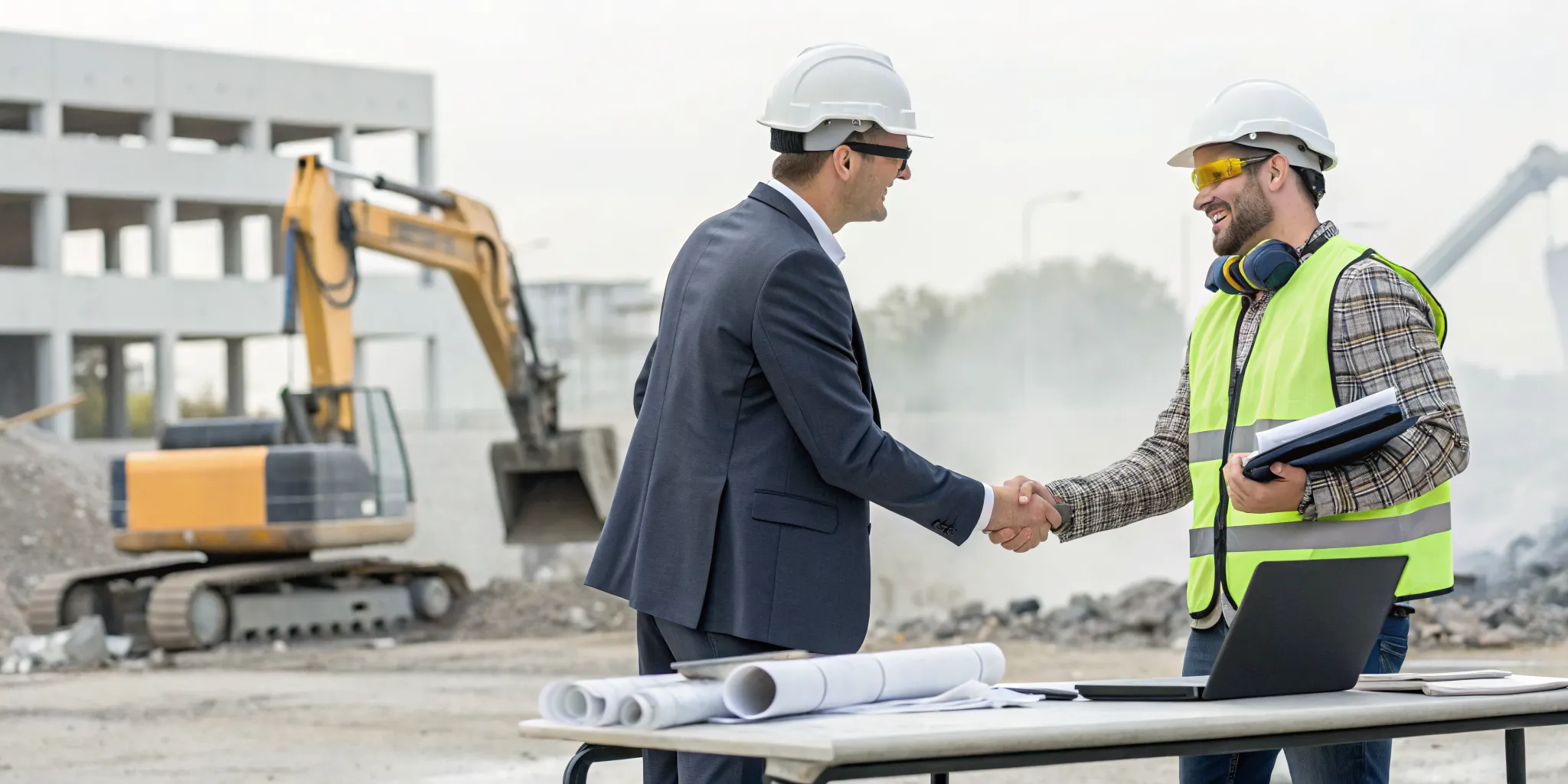
When you think of demolition, you might picture a wrecking ball and a cloud of dust. While that’s part of it, a professional’s job is far more detailed and precise. Modern demolition is a science, involving everything from GPR scanning to see through concrete to the surgical removal of interior walls without disturbing the rest of the structure. It’s a carefully planned process that requires technical skill, advanced equipment, and a deep understanding of building engineering. The best commercial building demolition contractors are masters of this controlled process, providing a clean slate for new construction while prioritizing safety and efficiency above all else.
Key Takeaways
- Look beyond the price tag: A contractor's true value is shown in their license, insurance, and commitment to safety, not just the lowest bid.
- Know the full demolition process: A professional project is more than just the teardown; it includes careful planning, permitting, site prep, and thorough cleanup.
- Insist on a transparent quote: A detailed, itemized estimate is crucial for avoiding surprise fees and helps you understand exactly what is covered, from permits to final debris removal.
What Do Commercial Demolition Contractors Do?
When you think of demolition, you might picture a wrecking ball and a cloud of dust. While that’s part of it, a professional commercial demolition contractor’s job is far more detailed and precise. These specialists are responsible for the safe and efficient dismantling of commercial structures, whether it’s an entire building or just a single interior wall. Their work is a carefully planned process that involves everything from securing permits and managing safety protocols to handling debris and preparing the site for its next chapter. A great contractor does more than just tear things down; they provide a clean slate for new construction and development. Their expertise covers a wide range of services, each requiring a unique set of skills and equipment to get the job done right.
Full vs. Selective Demolition
Commercial demolition falls into two main categories: full and selective. Full demolition is exactly what it sounds like, the complete removal of an entire structure to clear a piece of land. Selective demolition, on the other hand, is more like a surgical procedure. It involves removing specific components of a building while leaving the rest intact, which is common during renovations, remodels, or tenant fit-outs. A professional contractor manages the complex logistics for both, including obtaining permits, disconnecting utilities, controlling dust, and minimizing any disturbance to the public or neighboring properties. This ensures the project runs smoothly, safely, and on schedule, regardless of its scale.
Interior and Exterior Services
Demolition services are not just for freestanding buildings. Contractors offer both interior demolition and exterior services to meet different project needs. Interior demolition is essential for repurposing commercial spaces, like gutting an old office for a new tenant or reconfiguring a retail store layout. Exterior demolition can range from removing a building’s facade for an update to taking down attached structures or, of course, demolishing the entire building. Experienced contractors are equipped to handle a variety of commercial properties, including offices, warehouses, factories, restaurants, and retail centers. They understand the unique challenges each type of structure presents and have the right tools for the job.
Core Drilling and GPR Scanning
Modern demolition often involves highly technical services that ensure precision and safety. For example, GPR scanning (Ground Penetrating Radar) acts like an X-ray for concrete, allowing contractors to locate rebar, electrical conduits, and plumbing lines before cutting or drilling. This prevents costly damage and dangerous accidents. Another key service is core drilling, which creates clean, precise circular holes through concrete walls and floors. These openings are necessary for installing new plumbing, electrical wiring, or HVAC systems during a renovation. Using these advanced techniques helps a project stay on track and avoids unexpected setbacks that could derail your timeline and budget.
Handling Hazardous Materials and Site Cleanup
A crucial responsibility of any demolition contractor is managing hazardous materials and ensuring a thorough site cleanup. Many older buildings contain substances like asbestos and lead paint, which require special handling to protect workers and the public. A qualified contractor will manage the testing, removal, and proper disposal of these materials according to strict federal and state regulations, protecting you from liability. After the demolition is complete, the job isn’t finished until the site is clear. This includes hauling away all debris, sorting materials for recycling to meet local requirements, and leaving the property clean, safe, and ready for the next phase of your project.
How to Choose the Right Commercial Demolition Contractor
Choosing the right demolition contractor is a critical step for your project's success. It’s about more than just finding the lowest price; it’s about finding a reliable partner who will get the job done safely, efficiently, and on budget. To help you make a confident choice, it’s important to do your homework. Focusing on a few key areas when you're vetting potential contractors will ensure you find a team you can trust from start to finish.
Verify Licensing, Bonding, and Insurance
This is the absolute first step. A professional demolition contractor must be properly licensed to operate in Georgia, bonded, and fully insured. Licensing proves they meet state requirements, while bonding protects you if the contractor fails to complete the job. Most importantly, comprehensive liability insurance covers any accidental damage to your property or adjacent structures. Don't just take their word for it; ask for copies of their certificates. Skipping this check is a common mistake that can leave you financially responsible for accidents or incomplete work. A reputable contractor will have this documentation ready and will be happy to provide it.
Review Their Safety Record
Demolition can be dangerous, so a contractor's safety record is a direct reflection of their professionalism and competence. Ask about their safety program and their history with workplace incidents. You can request their Experience Modification Rate (EMR), a number insurance companies use to gauge a company's safety performance. A low EMR indicates a strong safety record. You can also ask about their compliance with OSHA standards. A team that prioritizes safety protects its workers, your property, and your project's timeline by preventing costly accidents and delays.
Confirm Their Commercial Project Experience
You wouldn't hire a residential painter for a commercial skyscraper, and the same logic applies to demolition. Make sure the contractor has a proven track record with commercial projects similar to yours. Ask to see a portfolio of their past work or for case studies of comparable jobs. A contractor experienced in commercial demolition will understand the specific challenges, from dealing with reinforced concrete and steel structures to working in busy urban environments. This experience ensures they can anticipate problems and complete the project efficiently. Our team at All Pro Demolition specializes in a wide range of commercial projects across Georgia.
Assess Their Equipment and Techniques
The right tools make all the difference. A professional contractor invests in modern, well-maintained equipment, which translates to a safer and more efficient job site. Outdated or poorly cared for machinery can lead to breakdowns, delays, and safety hazards. Also, ask about the techniques they use. Do they employ advanced methods like GPR scanning to locate utilities and rebar before cutting or drilling? This kind of technology shows a commitment to precision and safety, helping to avoid costly mistakes like cutting through a critical utility line.
Check Their Reputation and Ask for a Clear Estimate
Before making a final decision, do some digging into the contractor's reputation. Look for online reviews and testimonials, and don't hesitate to ask for a list of references you can contact directly. A contractor with a solid reputation will have a history of satisfied clients. When you're ready for a quote, insist on a detailed, written estimate based on an on-site inspection. A quote given over the phone is a red flag. The estimate should clearly outline the full scope of work, what is included (like debris removal and site cleanup), and what isn't. This transparency helps prevent surprise costs down the road.
What to Expect During the Demolition Process
Watching a building come down might look like pure chaos, but a professional demolition project is actually a highly organized process. From the first phone call to the final site cleanup, every step is carefully planned and executed to ensure safety, efficiency, and a clean slate for your new project. Knowing what to expect can make the entire experience feel much more manageable, taking the stress out of what can seem like a massive undertaking.
A reputable contractor will guide you through the entire journey, handling the complex logistics so you don’t have to. They act as your project manager, coordinating everything from legal paperwork to heavy machinery. Think of the process in four distinct phases: planning and permits, site preparation, the demolition itself, and finally, debris removal. Each stage has its own set of tasks and safety protocols designed to protect the crew, the public, and your property. Let's walk through what a typical commercial demolition project looks like from start to finish, so you can feel confident and prepared for what’s ahead.
Step 1: Initial Assessment and Permitting
Before any work begins, your contractor will conduct a thorough initial assessment of the property. This involves inspecting the structure, identifying potential hazards, and understanding the full scope of your project. This is your opportunity to discuss your goals and for the team to create a detailed demolition plan. Once the plan is set, the next hurdle is securing the right permits. This can be a complicated process, but an experienced contractor will handle all the necessary paperwork to ensure your project is fully compliant with local Georgia regulations. This crucial first step ensures everything is done legally and by the book.
Step 2: Site Prep and Utility Disconnection
With permits in hand, the focus shifts to preparing the site for a safe demolition. Your contractor will establish a secure perimeter with fencing and warning signs to protect both workers and the public. The most critical part of this phase is the disconnection of all utilities. Professionals will coordinate to safely shut off and cap water, gas, electricity, and sewer lines. This prevents dangerous situations like flooding, gas leaks, or electrical hazards during the demolition. This careful preparation is a non-negotiable part of any responsible demolition project and sets the stage for the work to come.
Step 3: The Demolition Phase
This is where the action happens. Depending on your project, this could involve heavy machinery for a complete building takedown or a more precise, selective demolition for an interior renovation. Throughout this phase, the crew will follow the plan established during the initial assessment. This also includes identifying and safely managing any hazardous materials, such as asbestos or lead paint, which require specialized handling and disposal procedures. A professional team like All Pro Demolition has the expertise and equipment to dismantle the structure methodically while controlling dust and debris.
Step 4: Debris Removal and Final Cleanup
The job isn’t finished once the structure is down. A key part of the service is the complete removal of all demolition debris from the site. Your contractor will load and haul away materials like concrete, steel, wood, and drywall. Many modern demolition companies prioritize recycling, sorting materials to be processed and reused whenever possible. The final step is a thorough site cleanup, leaving you with a safe, clear, and level lot. This ensures your property is ready for the next phase, whether it’s new construction, landscaping, or another development.
Non-Negotiable Safety Measures for Any Demolition Project
Demolition is much more than just swinging a wrecking ball. A successful project is a safe one, and any contractor worth hiring will have a detailed safety plan from day one. When you're vetting potential partners, their commitment to safety should be at the top of your checklist. A professional's plan goes beyond just their own crew; it covers the site, the surrounding environment, and the public. These safety measures aren't optional extras, they are fundamental to a well-executed demolition project. Here are the key areas a reputable contractor will always address.
Protecting Workers and the Public
A contractor’s top priority should always be the well-being of their team and the surrounding community. This starts with a comprehensive safety plan for every single project. On-site, this means all workers are equipped with the proper personal protective equipment (PPE), like hard hats, safety glasses, and steel-toed boots. The entire demolition zone should be clearly marked and secured with fencing to prevent unauthorized access. For projects near public roads or walkways, a professional crew will manage traffic and put up clear signage to ensure everyone stays safe. It’s a clear sign that the contractor is responsible and respects the community they’re working in.
Testing for and Removing Hazardous Materials
Older buildings often contain hazardous materials that can pose serious health risks if disturbed. A responsible contractor will never skip the critical step of testing for substances like asbestos, lead paint, and mold before demolition begins. If any hazardous materials are found, they must be handled and removed by certified professionals following strict federal and state guidelines. This isn't an area to cut corners. Insisting on proper testing and abatement protects the health of the workers, your future site occupants, and the surrounding environment from long-term contamination.
Managing Waste Responsibly
Demolition generates a massive amount of debris, and what happens to it matters. A professional contractor doesn't just haul everything to the nearest landfill. They have a sophisticated waste management plan that involves sorting materials on-site. Items like metal, concrete, and wood can often be recycled, reducing the environmental impact of your project. This responsible approach not only complies with local disposal regulations but also keeps the worksite cleaner and more organized, which contributes to overall safety. It’s a hallmark of a forward-thinking and efficient demolition partner.
Safeguarding Adjacent Structures
When your building comes down, you need to be confident that the neighboring ones will remain untouched. A common red flag for a low-quality contractor is a bid that doesn't account for protecting adjacent structures. A true professional, like All Pro Demolition, will conduct a thorough assessment of the surrounding properties before work begins. They will use specific techniques, such as careful dismantling, shoring, and protective barriers, to prevent any damage to nearby buildings, landscaping, or public utilities. This foresight protects you from potential liability and ensures a smooth project without any angry neighbors.
What Factors Determine the Cost of Commercial Demolition?
When you're planning a commercial demolition, one of the first questions is always about the cost. While we're proud to offer the best rates in Georgia, the final price tag isn't a simple, one-size-fits-all number. Several critical factors influence the total investment for your project. Understanding these variables will help you interpret your estimate and see exactly where your money is going. From the sheer size of the structure to hidden materials within its walls, each element plays a part in shaping the final quote. Let's break down the main components that determine the cost of your commercial demolition.
Building Size and Complexity
It’s probably no surprise that the bigger the building, the more it will cost to take down. Demolition costs are often estimated per square foot, but the complexity of the structure is just as important. A simple, single-story warehouse is a more straightforward project than a multi-story office building with reinforced concrete and extensive internal systems. The materials matter, too. A wood-frame building requires different techniques and equipment than one made of brick or steel. We carefully assess your building’s size, layout, and construction materials to create a precise and fair estimate for the work involved.
Hazardous Material Abatement
Older buildings can sometimes hold unpleasant surprises like asbestos, lead paint, or other hazardous materials. Identifying and safely removing these substances is a critical, non-negotiable step that impacts the overall cost. Federal and state regulations require specialized handling and disposal procedures to protect workers, the public, and the environment. This process, known as abatement, requires certified professionals and adds to the project timeline and budget. While it’s an added expense, proper hazardous material abatement is essential for a safe, compliant, and responsible demolition project, protecting you from significant fines and long-term liability.
Site Conditions, Permits, and Regulations
Where your building is located plays a big role in the demolition plan and cost. A structure in a crowded downtown area requires more intricate safety measures to protect adjacent properties and manage traffic compared to a building in an open, easily accessible lot. Beyond the physical site, there are local regulations and permits to consider. Each city and county in Georgia has its own set of rules, fees, and inspection requirements. A professional demolition partner will handle the entire permitting process for you, ensuring everything is done by the book. At All Pro Demolition, we manage these details so you can avoid costly delays and focus on your project's next steps.
How Long Will a Commercial Demolition Project Take?
One of the first questions everyone asks is, "How long will this take?" It's a fair question, but the answer isn't always simple. A commercial demolition project is much more than just the day the building comes down. The total timeline depends on the building's size, the materials involved, and how much planning is required beforehand. Demolition is a process with distinct phases, and the actual teardown might only be a small fraction of the total project time. In fact, the planning and preparation can often take several weeks, even if the physical demolition only takes a few days.
Think of it in three main stages: planning and permitting, the active demolition itself, and the final cleanup. A small interior strip-out might be done in a week, while taking down a large, multi-story commercial structure could take several months from start to finish. The contractor you select will have a major impact on the project’s timeline, budget, and overall success. Working with an experienced team for your commercial demolition ensures each phase is handled efficiently, keeping your project on track from the initial assessment to the final handover of a clean, ready-to-use site.
Phase 1: Planning and Permitting
Before any walls come down, a lot of important work happens behind the scenes. This planning phase is critical for a safe and legal demolition, and it often takes several weeks. It starts with a thorough site inspection to assess the structure, identify any hazardous materials like asbestos, and plan the safest method for demolition. Your contractor will then work on securing all the necessary permits from local authorities. This step is non-negotiable and protects everyone involved. This upfront investment in careful planning prevents costly delays and safety issues down the road, setting the stage for a smooth project.
Phase 2: Active Demolition
This is the phase most people picture when they think of demolition. Once the site is prepped and all permits are in hand, the physical work begins. The duration of this phase depends entirely on the project's scale and complexity. A selective interior demolition might only take a few days, while a full building takedown will take longer. Your contractor will use specialized equipment to dismantle the structure methodically. The team's experience is key here, as they work to bring the building down safely without damaging adjacent properties or creating unnecessary risks for workers and the public.
Phase 3: Cleanup and Handover
A professional demolition job doesn't end when the building is on the ground. The final phase involves clearing every bit of debris from the site. This process includes sorting materials for recycling, like concrete, steel, and wood, and properly disposing of all waste. A reliable contractor handles the entire job from start to finish, leaving you with a clean, level site that is ready for the next stage of your plans. The goal is to hand over a space that meets all your specifications, with a focus on safety and your complete satisfaction with the finished result.
Key Questions to Ask Before Signing a Contract
Once you’ve narrowed down your list of potential contractors, it’s time to dig into the details. The conversation you have before signing on the dotted line is one of the most important parts of the entire process. Asking direct questions not only helps you understand exactly what you’re paying for, but it also gives you a clear sense of the contractor’s professionalism and transparency. Think of it as your final interview to ensure you’re placing your project in the right hands.
Are you licensed, bonded, and insured?
This should be the very first question you ask, and the answer needs to be a confident "yes." These credentials are not just formalities; they are essential protections for you and your project. A licensed contractor has met local and state requirements to perform demolition work. Being bonded protects you financially if the contractor fails to complete the job. Most importantly, proper insurance coverage shields you from liability if an accident or property damage occurs on-site. A reputable company will readily provide proof of their credentials, so don’t hesitate to ask for copies of their current licenses and insurance certificates.
How do you handle hazardous materials?
Many buildings, especially older ones, contain hazardous materials like asbestos or lead-based paint. Mishandling these substances is not only a serious health risk but can also lead to hefty fines and legal issues. You need to know that your contractor has a solid plan. Ask them to walk you through their process for identifying, handling, and disposing of these materials. A responsible contractor will have certified professionals and follow strict EPA regulations to ensure everything is managed safely and legally. Their answer will tell you a lot about their commitment to safety and compliance.
What is and isn't included in the quote?
A low price isn't a great deal if it’s full of hidden costs. To avoid surprises, ask for a detailed, itemized quote that breaks down every aspect of the job. Clarify what is and isn't covered in the final price. Does the estimate include permit fees, debris removal, landfill charges, and final site cleanup? If hazardous material abatement is needed, is that a separate line item? Understanding the full scope of the quote helps you accurately compare bids and budget for the project. A contractor who is transparent with their pricing, like All Pro Demolition, is one you can trust to be upfront throughout the project.
Common Mistakes to Avoid When Hiring a Contractor
Hiring the right demolition contractor is the most important decision you'll make for your project. A great partner makes the process smooth and predictable, while the wrong one can lead to delays, unexpected costs, and major headaches. It’s easy to get overwhelmed by bids and promises, but you can set yourself up for success by watching out for a few common pitfalls. Steering clear of these mistakes will help you find a reliable, professional team that gets the job done right.
Don't Choose Based on Price Alone
While your budget is a top priority, choosing a contractor based only on the lowest bid is one of the biggest risks in construction. An unusually low price can be a red flag for several issues: the contractor might be cutting corners on safety, using inexperienced labor, or planning to hit you with surprise charges later. Instead of focusing on the cheapest option, look for the best overall value. A fair price should come with a clear scope of work, a commitment to safety, and the experience to handle your project efficiently. A quality contractor provides a detailed estimate that justifies their cost.
Don't Skip Checking Their Credentials
This step is non-negotiable. Before you sign anything, you must verify that the contractor is properly licensed, bonded, and insured for commercial demolition work in Georgia. This isn't just about checking a box; it's about protecting yourself. A valid license proves they meet state requirements, while insurance protects you from liability if an accident or property damage occurs on site. Any professional contractor will be upfront with this information and provide documentation without hesitation. If a company is evasive or can't produce proof of their credentials, walk away.
Don't Ignore Communication or Safety Red Flags
Pay close attention to how a contractor communicates from your very first interaction. Are they responsive to your calls and emails? Do they answer your questions clearly and thoroughly? Vague answers or a lack of a detailed plan are major red flags. Similarly, never overlook safety. A professional demolition team will put safety at the forefront of everything they do. Ask about their specific safety protocols and how they plan to protect workers, your property, and adjacent structures. A team that is casual about safety is a risk you can't afford to take.
Your Partner for Commercial Demolition in Georgia
When you’re ready to hire commercial building demolition contractors in Georgia, choosing the right team is one of the most important decisions you'll make for your project. The right partner ensures everything is completed safely and on schedule, but they also handle the complex details that can cause major headaches down the road. It’s about finding a team you can trust to get the job done right from the start.
One of the first things you should do is verify a contractor's credentials. It's surprisingly easy to overlook licensing and insurance requirements, but this mistake can lead to significant liabilities and project delays. A professional company will always be upfront with their qualifications. Beyond the paperwork, you need to confirm their hands-on experience. Don't hesitate to ask about their past commercial projects and request a few references you can speak with to hear about their experiences firsthand.
A truly great contractor offers more than just demolition. They provide a complete service that includes securing permits, managing utility disconnections, and keeping the site contained to minimize public disturbance. This level of comprehensive project management is what separates the pros from the rest. By carefully looking at these factors, you can find a commercial demolition partner that fits your project's needs and gives you peace of mind. At All Pro Demolition, we are committed to being that partner for businesses across Georgia, delivering safe, efficient, and transparent service every step of the way.
Frequently Asked Questions
What’s the real difference between selective and full demolition? Think of it this way: full demolition is like wiping a slate clean. We remove an entire structure to clear the land for something completely new. Selective demolition is more like a surgical procedure. It’s perfect for renovations or tenant fit-outs where you only need to remove specific interior walls, facades, or other parts of a building while keeping the main structure intact.
Do I need to handle the permits myself? Absolutely not. Navigating the paperwork for demolition permits can be a complicated and time-consuming process. A professional contractor will manage this entire step for you. We handle all the applications and communications with local Georgia authorities to ensure your project is fully compliant with all regulations, saving you the headache.
How do you protect my property and neighboring buildings during demolition? Protecting the surrounding area is a top priority. Before we start, we create a detailed safety plan that includes securing the site with fencing and clear signage. For adjacent structures, we use precise dismantling techniques and protective barriers to prevent any accidental damage. This careful planning ensures the project goes smoothly without impacting your neighbors.
What happens to all the debris after the building is down? Our job isn't done until the site is completely clear. We have a comprehensive waste management plan for every project. This involves sorting materials like concrete, steel, and wood on-site so they can be sent for recycling. The remaining debris is then hauled away and disposed of responsibly, leaving you with a clean, safe, and level property ready for its next chapter.
Why is an on-site inspection necessary for an accurate quote? A quote given over the phone is really just a guess. An on-site inspection allows us to see the full picture of your project. We assess the building’s size, construction materials, accessibility, and any potential challenges that aren't obvious from a distance. This detailed assessment is the only way to provide a truly accurate and transparent estimate that covers the full scope of work and helps you avoid surprise costs later on.