
GPR Survey Services: Uses, Cost & Hiring Guide
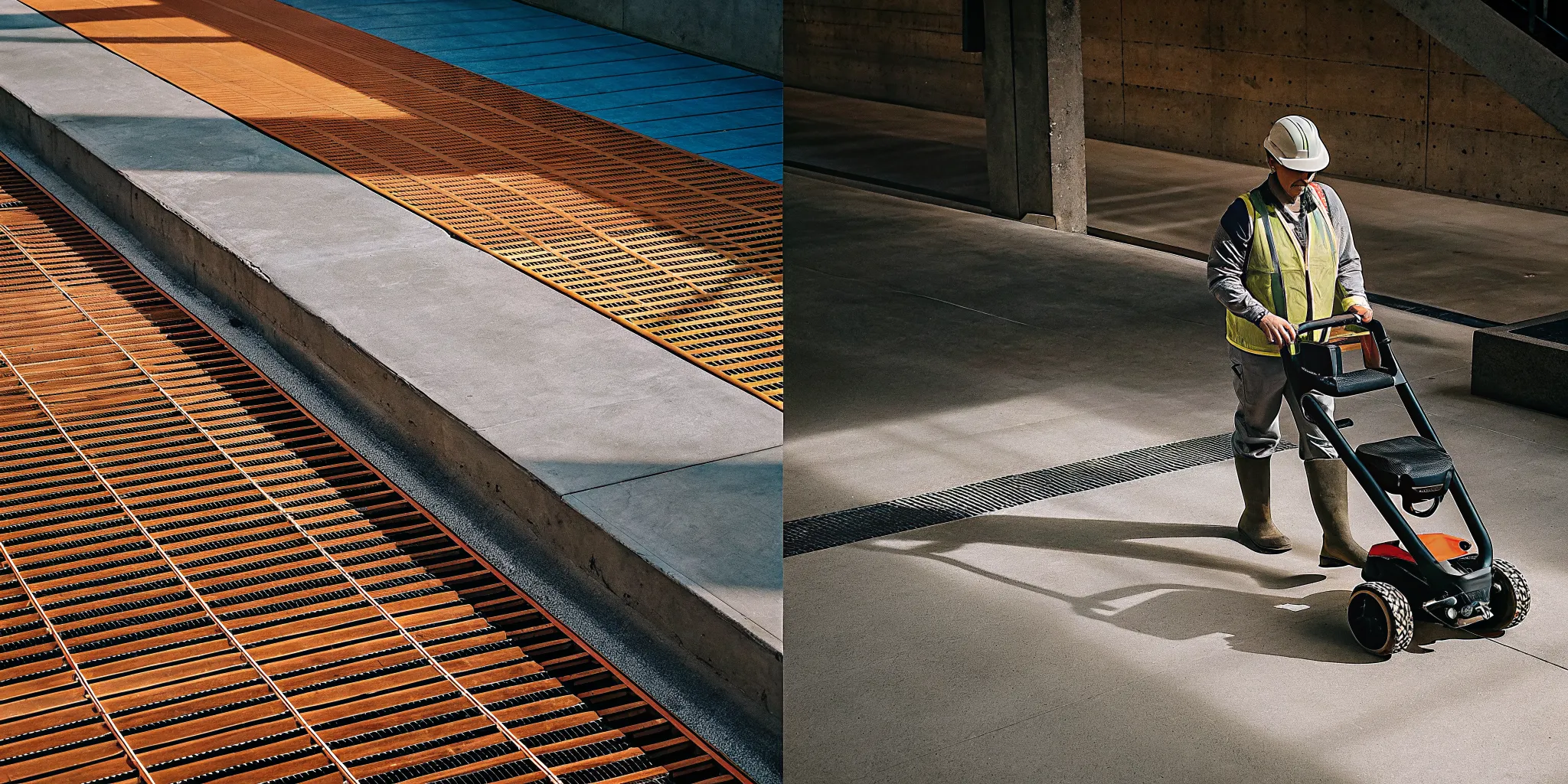
Before you break ground or cut into concrete, the biggest risks are the ones you can’t see. Taking a chance by digging or drilling blind can lead to hitting a hidden water main, a live electrical conduit, or a critical post-tension cable. These mistakes aren’t just costly; they’re incredibly dangerous and can bring your entire project to a halt. Smart planning means removing the guesswork from the equation. Professional GPR survey services provide a non-destructive way to map out exactly what lies beneath the surface. This gives you the confidence to move forward safely, protecting your crew, your budget, and your timeline from preventable disasters.
Key Takeaways
Prioritize safety by scanning first: A GPR survey is your best defense against accidentally hitting hidden utilities, rebar, or conduits, which prevents dangerous accidents and costly project shutdowns.
Save time and money with smart data: GPR delivers immediate, real-time information about your site, allowing you to avoid expensive repairs from severed lines and prevent delays with more accurate project planning.
Hire an expert for accurate interpretation: GPR is a powerful tool, but its effectiveness depends on site conditions. A skilled professional with modern equipment is essential for interpreting the data correctly and giving you a reliable map of what’s underground.
What is a GPR Survey?
Think of a GPR survey as a high-tech stud finder for the ground. It’s a modern, non-destructive way to see what’s hidden beneath the surface before you ever start a project. Ground Penetrating Radar (GPR) uses radar pulses to create a detailed map of underground features, whether you’re working with soil, rock, or concrete. This technology is a game-changer for anyone in construction, demolition, or renovation because it lets you identify potential obstacles like pipes, rebar, and voids without any digging or drilling. It’s all about working smarter, not harder, and avoiding costly or dangerous surprises down the line.
How GPR Technology Works
So, how does it actually see through solid ground? GPR works by sending a tiny pulse of radar energy into the surface. As that wave travels down, it bounces off any objects or changes in material it encounters, like a utility line, a layer of rock, or even an empty space. A receiver antenna on the surface picks up these reflected signals, measuring how long it took for them to return. The system then pieces all this data together to create a real-time image, or map, of what’s below. It’s a bit like how a bat uses echolocation to see in the dark, giving our technicians a clear picture of the subsurface.
GPR vs. Traditional Surveying
Compared to older methods, GPR is in a league of its own for safety and efficiency. Traditional techniques sometimes involved disruptive digging or even X-rays, which can be slow and pose radiation risks. GPR is completely non-invasive and safe to use in public spaces without shutting everything down. It’s also incredibly versatile, detecting both metallic and non-metallic objects like PVC pipes, which other methods can miss. Our GPR scanning services can penetrate materials like concrete, asphalt, and soil to depths of up to 30 feet, depending on the site conditions, giving you a comprehensive view of your job site.
What Can GPR Detect Underground?
Think of Ground Penetrating Radar (GPR) as a high-tech stud finder for the earth and concrete structures. It sends a signal downward and reads the "echo" that bounces back, creating a map of what lies beneath the surface. This technology is incredibly versatile because it works by identifying differences between materials. It’s not just looking for metal; it’s looking for anything that disrupts the surrounding soil or concrete.
This ability makes GPR an essential tool for any project that involves digging, cutting, or drilling. It can locate a wide range of objects and features, both natural and man-made. From buried utility lines and hidden voids to the rebar inside a concrete slab, GPR gives you a clear picture without any destructive guesswork. This non-invasive approach helps you plan your project with confidence, ensuring safety and preventing costly surprises. Before you break ground, a GPR scan provides the critical intelligence you need to proceed safely and efficiently.
Utilities, Conduits, and Pipes
One of the most common uses for GPR is locating underground utilities. Hitting a water main, gas line, or electrical conduit during excavation is a costly and dangerous mistake. GPR helps you avoid this by detecting both metallic and non-metallic pipes and conduits. It can find PVC water lines, plastic conduits, and clay drainage pipes just as effectively as it can find metal ones. The technology works by spotting the contrast between the pipe material and the surrounding soil. This gives you a complete map of all buried utilities, allowing your team to dig with precision and avoid hazardous setbacks.
Voids, Cavities, and Sinkholes
Empty spaces beneath the surface can pose a serious risk to the stability of your property or job site. GPR is excellent at identifying these hidden dangers. It can detect voids, air pockets, and areas of disturbed soil that might indicate a developing sinkhole or a poorly compacted backfill. For demolition and construction projects, finding these cavities before bringing in heavy equipment is crucial for preventing collapses and ensuring worker safety. GPR can also locate old septic tanks, cisterns, or other buried structures that may have been forgotten over time, giving you a full understanding of your site’s subsurface integrity.
Concrete Structure Integrity
Before you cut, core, or drill into a concrete slab, you need to know what’s inside. GPR provides a non-destructive way to scan concrete and map out its internal components. It can precisely locate rebar, post-tension cables, and electrical conduits embedded within the structure. Hitting one of these elements can compromise the concrete's strength or cause a serious electrical hazard. By using GPR first, services like concrete cutting and core drilling can be performed safely and accurately, protecting both the structure and the crew. This step is essential for any renovation or demolition project involving concrete.
Non-Metallic Objects and Geological Features
GPR’s capabilities extend beyond man-made objects. Because it detects changes in subsurface materials, it can also identify geological features. This includes mapping the bedrock depth, identifying different soil layers, and locating the water table. This information is invaluable for environmental assessments and geotechnical investigations. GPR can also find a variety of non-metallic objects that other methods might miss, such as buried plastic drums, old foundations, or even archaeological artifacts. This makes it a powerful tool for everything from site development to historical preservation, providing a comprehensive view of what’s hidden underground.
Why Use a GPR Survey?
Think of a GPR survey as a smart, proactive step for your project. It’s about looking before you leap, or in this case, scanning before you cut or dig. Using Ground Penetrating Radar isn’t just for massive industrial sites; it’s a practical tool that offers clear advantages for any project involving concrete or excavation. From ensuring safety to protecting your budget, a GPR survey provides the critical information you need to move forward with confidence.
Scan Without Damaging Your Property
One of the biggest benefits of GPR is that it’s a completely non-destructive method of inspection. You can see what’s hidden beneath the surface without having to drill a single hole or excavate a trench. The GPR equipment sends radar pulses into the ground or concrete, creating a detailed map of what lies below. This means we can locate rebar, conduits, and pipes while leaving your property completely intact. It’s the cleanest, most efficient way to gather subsurface data, ensuring the structural integrity of your site is never compromised just for the sake of exploration.
Increase Job Site Safety
Safety should always be the top priority on any job site. GPR scanning is a crucial step in creating a safer work environment for everyone involved. Hitting a hidden utility line isn’t just an expensive mistake; it can be incredibly dangerous. Accidentally cutting into a live electrical conduit or a gas line can lead to severe injuries or worse. By performing a GPR scan before any concrete cutting or core drilling, you can identify and mark these hidden hazards ahead of time. This simple, proactive measure helps prevent accidents, protects your crew, and ensures your project proceeds without any dangerous surprises.
Get Real-Time Data for Faster Planning
In construction and demolition, time is money. GPR technology provides immediate insights into what’s happening underground, which allows for much faster and more accurate project planning. Instead of waiting for old city records or performing slow, exploratory digging, you get real-time data right on the spot. This allows you and your team to make quick, informed decisions. If we find an unexpected pipe or void, you can adjust your plans instantly rather than facing days of delays. This efficiency helps keep your project on schedule and moving forward smoothly from the very beginning.
Save Money in the Long Run
While a GPR survey has an upfront cost, it’s an investment that can save you a significant amount of money down the road. The cost of repairing a single severed utility line, like a water main or fiber-optic cable, can easily run into the thousands, or even tens of thousands, of dollars. That doesn’t even include the costs associated with project delays and potential fines. By identifying these obstacles beforehand, you avoid expensive repairs and keep your project on budget. Investing in a professional GPR survey is one of the smartest financial decisions you can make to protect your project’s bottom line.
Common Uses for GPR Surveys
Ground-penetrating radar is an incredibly versatile technology with applications across many industries. From busy construction sites to sensitive historical grounds, GPR provides a clear picture of what’s happening beneath the surface without ever breaking ground. Think of it as an X-ray for the earth, giving you the information you need to plan your project safely and efficiently. Here are some of the most common ways professionals use GPR surveys.
Construction and Excavation
Before you dig, you need to know what you’re digging into. GPR is a critical first step for any construction or excavation project, helping to prevent dangerous and costly surprises. A GPR scan can accurately locate underground utilities like water pipes, gas lines, and electrical conduits before an excavator bucket ever touches the soil. This process is essential for maintaining job site safety and avoiding expensive repairs and project delays. By mapping out these hidden obstacles ahead of time, your team can work with confidence and keep the project on schedule.
Concrete Scanning and Core Drilling
If your project involves cutting or drilling into an existing concrete slab, a GPR survey is non-negotiable. Scanning the concrete first allows us to see exactly what’s inside, including rebar, post-tension cables, and electrical conduits embedded within the slab. This information is vital for services like concrete cutting and core drilling, as hitting a utility or a structural component can cause serious damage or injury. With a detailed GPR map, we can select the safest locations to drill or cut, preserving the concrete’s structural integrity and ensuring a precise, clean result for your project.
Road and Infrastructure Projects
GPR is also a powerful tool for large-scale infrastructure projects, including roads, bridges, and runways. It can assess the condition of asphalt and concrete, measure pavement thickness, and identify underlying issues that are not visible from the surface. For example, GPR can detect voids or air pockets beneath the pavement, which could otherwise lead to sinkholes or structural failure. By using GPR for pavement analysis, engineers and contractors can gather data quickly to plan repairs, ensure long-term stability, and make informed decisions about maintaining our public and private infrastructure.
Environmental and Archaeological Sites
Because GPR is a non-destructive method, it’s the perfect tool for examining environmentally or historically sensitive areas. On environmental sites, GPR can locate buried drums, underground storage tanks (USTs), and septic systems without disturbing the soil. For archaeologists, it’s an invaluable resource for finding foundations of ancient buildings, burial sites, and other artifacts. This technology allows researchers and environmental experts to investigate a site thoroughly while preserving its integrity, making ground-penetrating radar a go-to method for discovery and assessment in protected zones.
Debunking Common GPR Myths
Ground Penetrating Radar is an incredible technology, but it's also surrounded by a lot of confusion. If you've heard things that make GPR sound like a magic wand or, conversely, seem too complicated for your project, you're not alone. These misconceptions can prevent people from using a tool that could save them serious time, money, and headaches. Before you start any project that involves breaking ground or cutting into concrete, it's crucial to know what lies beneath the surface. GPR provides that critical look without any destructive digging, making it an essential first step for many demolition and construction jobs.
Let's clear the air and look at what GPR can and can't do. By separating fact from fiction, you can make a confident and informed decision about whether a GPR survey is the right move for your next project in Georgia. We'll walk through some of the most common myths, from its supposed x-ray vision to its rumored high costs, and give you the real story behind each one. Understanding the truth about GPR helps you plan better, keep your team safe, and protect your budget from unexpected and costly surprises. At All Pro Demolition, we believe an informed client is a successful client, so let's get these myths sorted out.
Myth: "GPR can see everything underground."
It’s easy to think of GPR as a type of x-ray vision for the ground, but that’s not quite accurate. While it's a powerful tool, GPR has its limits. The technology works by sending a signal into the ground and reading the echo that bounces back. It’s best at finding objects, both metal and non-metal, that are very different from the material around them. However, certain conditions can make it difficult for the signal to work effectively. For instance, GPR doesn't perform well in heavy clay soils, especially when they're wet. According to experts, water with high mineral content can also block the signal, which is an important factor to understand about how GPR works.
Myth: "GPR is only for large-scale projects."
This is a common one, but it couldn't be further from the truth. GPR is incredibly versatile and just as valuable for smaller residential projects as it is for massive commercial sites. Because it's a completely non-destructive method, you can inspect an area without digging a single hole. This makes it perfect for homeowners who want to locate a septic tank before landscaping or for contractors needing to scan a small concrete slab before drilling. It’s all about gathering information to make smart decisions, regardless of whether your project covers a few square feet or several acres. GPR gives everyone access to the same high-quality subsurface data.
Myth: "GPR surveys take too long."
If you're working on a tight schedule, the last thing you want is a delay. Fortunately, GPR surveys are known for their efficiency, not for slowing things down. A trained technician can scan large areas relatively quickly, providing real-time data on the spot. This speed is a major advantage, as it "quickly shows you what's inside the concrete," allowing your project to move forward with better planning and less wasted time. Instead of causing delays, a GPR survey actually helps you stick to your timeline by identifying potential obstacles early on. This makes it one of the most time-effective ground penetrating radar services available for site investigation.
Myth: "GPR is too expensive to be worth it."
While there is an upfront cost for a GPR survey, it's an investment that almost always pays for itself. Think about the potential cost of hitting a water main, a gas line, or a critical electrical conduit during excavation or demolition. Those mistakes can lead to expensive repairs, project shutdowns, and serious safety hazards. When you compare that risk to the price of a GPR scan, the value becomes clear. While a GPR rental can have a daily fee, hiring a professional service like All Pro Demolition ensures you get accurate results without needing to interpret the data yourself. The cost of a survey is minor compared to the cost of a disaster.
Does GPR Have Limitations?
Ground-penetrating radar is an incredibly powerful technology, but it’s not an all-seeing crystal ball. Like any tool, it has its limits, and understanding them is the key to getting accurate, reliable results for your project. An experienced GPR technician knows how to work with these limitations and interpret the data correctly, ensuring you have a clear picture of what lies beneath the surface before you break ground. This isn't a drawback; it's just part of the science. Knowing what GPR can and can't do helps you plan better and avoid surprises.
The effectiveness of a GPR scan can be influenced by a few key factors. The type of soil on your site plays a big role, as does the material of the object you’re trying to locate. Highly conductive materials, for instance, can make it difficult for radar waves to penetrate deeply. That’s why a one-size-fits-all approach to GPR doesn’t work. A true professional from a company like All Pro Demolition assesses the site conditions first and adjusts their methods accordingly. They also know when GPR is the perfect tool for the job and when it’s better to supplement it with other technologies to get the complete picture. This expertise is what separates a basic scan from a truly useful survey that keeps your project safe and on schedule.
How Soil Conditions Affect Accuracy
The type of soil on your property has the biggest impact on how well GPR works. The depth GPR can reach depends heavily on the ground’s composition. In ideal conditions, like dry, sandy soil, the radar waves can travel deep underground. However, in soils with high electrical conductivity, the signal gets absorbed much faster.
Materials like dense, wet clay or salty soils can limit the radar’s penetration to just a few feet. This doesn’t mean GPR is useless in these areas; it just means the technician needs to use the right frequency antenna and know how to interpret the weaker signals. An expert from All Pro Demolition can analyze your site’s specific conditions to calibrate the equipment for the most accurate readings possible.
Knowing When to Use Other Methods
GPR is excellent for locating both metallic and non-metallic objects, but it can’t see through solid metal. If the radar wave hits a large metal plate or a dense cluster of rebar, the signal will be reflected, and we won’t be able to see what’s underneath it. While GPR can tell you something is there, it can’t always identify the exact material without other information.
In some cases, another method is simply better suited for the task. For example, if you need to map the bottom of a lake, sonar would be the right tool, not GPR. The good news is that GPR is much safer and faster than older methods like radiographic X-rays, which involve radiation. A professional service provider will understand these nuances and recommend the best approach for your specific needs.
How Much Does a GPR Survey Cost?
One of the first questions on everyone's mind is, "What's the price tag?" When it comes to GPR surveys, there isn’t a one-size-fits-all answer. The cost depends entirely on the specifics of your project. Think of it less as a standard fee and more as a customized investment in your project's safety and efficiency. Cutting into a concrete slab without knowing what’s inside can lead to costly repairs and dangerous accidents, making a GPR scan a smart financial decision from the start. The peace of mind that comes from knowing you can drill, cut, or demolish without hitting a hidden utility line is invaluable.
The price for a professional GPR survey is influenced by several key variables, including the size of the area you need scanned, the complexity of the site, and the type of information you need to find. A simple scan to locate rebar in a small concrete pad will naturally cost less than a comprehensive survey of a large commercial foundation to map out multiple layers of utilities. At All Pro Demolition, we believe in clear, upfront pricing tailored to your exact needs. We'll walk you through the factors that contribute to your project's cost so there are no surprises. The best way to understand the cost for your job is to get a quote based on your specific requirements.
What Affects the Price of a GPR Survey?
Several factors determine the final cost of a GPR survey. The size and complexity of the area are the biggest drivers; a large, multi-level site will require more time and resources than a small, open one. The required depth the GPR can reach also plays a role, as scanning deeper or through dense materials like heavily reinforced concrete can demand more advanced equipment and analysis. Site conditions matter, too. An easily accessible, flat surface is quicker to scan than a cluttered or uneven area. Finally, the level of detail you need in your report can influence the price.
What to Expect in a GPR Quote
When you reach out for a GPR survey, you should expect a clear and straightforward process. Reputable providers will offer a free, no-obligation quote so you can understand the costs before making a commitment. This estimate should outline the full scope of work, what will be scanned, and the expected deliverables. A professional team will also provide a realistic timeline for completing the scan and delivering your report. The final report is the most valuable part of the service; it should include detailed images and clear markings that show you exactly what lies beneath the surface, giving you the confidence to move forward with your project safely.
How to Choose a GPR Service Provider
Finding the right GPR service provider is about more than just hiring someone with the right equipment. You’re looking for a partner who can deliver accurate data, keep your site safe, and help your project run smoothly. The quality of a GPR survey directly impacts your timeline, budget, and the safety of your crew, so it pays to be selective. When you’re vetting potential companies, you’re not just buying a service; you’re investing in the certainty you need to break ground with confidence.
A great GPR provider combines technical skill with practical, on-the-ground experience. They understand that their findings are a critical piece of a much larger puzzle. As you evaluate your options, focus on a few key areas: their track record, the technology they use, how they deliver their findings, and the full scope of their services. Taking the time to ask the right questions upfront will help you find a reliable team and prevent major headaches down the road.
Look for Proven Experience and Expertise
When it comes to interpreting what’s underground, experience is everything. A seasoned technician can spot subtle differences in the data that someone less experienced might miss, preventing costly and dangerous mistakes. You want a team that has spent years working on sites similar to yours. Ask potential providers about their history. How long have they been in business? What kind of training do their technicians receive? Are they fully licensed and insured? This isn't just red tape; it’s your assurance that they stand behind their work.
A company with a deep background in related fields often brings a more practical perspective to the job. For instance, a team that also handles demolition and concrete services understands exactly what’s at stake when scanning a slab before cutting or coring. They know what to look for because they’ve seen what happens when things go wrong. This hands-on expertise is invaluable and leads to more reliable, actionable results for your project.
Check Their Equipment and Technology
GPR technology has improved significantly over the years, and the equipment a company uses directly affects the quality of your scan. Modern GPR systems offer higher resolution and greater accuracy, making it easier to distinguish between different types of materials and objects underground. Advanced systems often integrate with GPS to provide precise, real-time mapping of buried utilities and other features. Using outdated equipment can result in fuzzy images and unreliable data, which defeats the purpose of the survey.
You don’t need to be a tech expert, but you should ask what kind of equipment they use. A professional provider will be happy to explain their technology and why it’s right for your project. This question helps you gauge their commitment to quality and accuracy. A company that invests in up-to-date GPR technology is investing in getting you the best possible results, ensuring you have a clear and precise picture of what lies beneath the surface.
Ask About Reports and Timelines
The final report is the main product you receive from a GPR survey, so you need to know that it will be clear, comprehensive, and useful. A good report does more than just show you raw data; it provides a detailed interpretation of the findings in a way that’s easy for you and your team to understand. Before you hire a company, ask to see a sample report. Does it clearly map out the location and depth of embedded objects? Is the information presented in a logical way?
Equally important is the timeline. Ask how long it will take to get the final report after the on-site scan is complete. A typical project might take a few weeks, but this can vary depending on the complexity and scope. Getting a clear timeline helps you plan your next steps without unexpected delays. A professional provider will give you a solid estimate and communicate any changes, ensuring your project planning stays on track.
Consider Their Full Range of Services
Choosing a provider that offers a comprehensive suite of services can streamline your project and improve safety. When a company’s expertise extends beyond GPR to include services like utility locating, concrete scanning, and even core drilling, they bring a more holistic understanding to your job site. This integrated approach means the team doing the scanning knows exactly what the team doing the cutting or excavating needs to avoid.
This synergy saves you the hassle of coordinating between multiple contractors and reduces the risk of miscommunication. The GPR team can directly brief the demolition or construction crew, ensuring everyone is aware of potential hazards like rebar, post-tension cables, or electrical conduits. This is essential for maintaining a safe work site before any cutting or coring begins. A provider with a wide range of capabilities can become a true partner, supporting your project from initial scan to final cut.
Why GPR is Essential for Safe Demolition
Let's be real, demolition comes with risks. When you're cutting into a concrete slab or tearing down a wall, the last thing you want is a dangerous surprise. This is where Ground Penetrating Radar (GPR) becomes an absolute game-changer for safety. Think of it as having x-ray vision for your project site. Cutting into concrete without knowing what's inside can mean hitting hidden electrical conduits, water pipes, or gas lines. An accident like that can cause serious injuries, force a complete project shutdown, and lead to incredibly expensive repairs. GPR scanning takes the guesswork out of the equation, letting your team work confidently and safely.
The real power of GPR is its ability to create a detailed map of what lies beneath the surface. It’s a completely non-destructive method, which means we can gather all this critical information without drilling a single hole or causing any damage. GPR can detect a whole range of potential hazards and structural elements, including rebar, post-tension cables, plumbing lines, and electrical conduits. It can even identify voids or empty spaces that might compromise the structural integrity of the concrete. Having this complete picture beforehand is not just about avoiding disaster; it’s about smart, efficient planning that keeps everyone on the job site safe and the project on track.
Frequently Asked Questions
How deep can a GPR scan actually see? The depth a GPR scan can reach really depends on the ground conditions at your site. In ideal situations, like dry sandy soil, the signal can penetrate as deep as 30 feet. However, in Georgia, where we often have dense, wet clay, the depth might be more limited. The key is that an experienced technician knows how to adjust the equipment for your specific soil type to get the most accurate reading possible, whether they are looking a few feet down for utilities or scanning a concrete slab for rebar.
Is a GPR survey really necessary for a small residential project? Absolutely. GPR isn't just for massive construction sites. Think of it as an insurance policy for any project that involves digging or cutting, no matter the size. For a homeowner, it could mean safely locating a septic tank before putting in a new patio or finding pipes before renovating a basement. The cost of repairing a single severed utility line on your property can easily overshadow the cost of a scan, making it a smart, proactive step for even small-scale jobs.
What's the difference between what I get from a GPR scan versus just calling 811? Calling 811 before you dig is a critical and legally required step for locating public utilities. However, their service typically stops at the meter and doesn't cover private lines on your property, like those running to a detached garage or a pool. GPR fills this gap by mapping out all subsurface elements, including private utilities, rebar within concrete, and old foundations that 811 wouldn't know about. It provides a much more detailed picture of your specific work area.
How long does the whole GPR process take, from the scan to getting the results? The on-site scan itself is quite fast. A trained technician can often cover a significant area in just a few hours, providing real-time feedback as they work. The more detailed analysis happens back at the office. You can typically expect to receive a comprehensive report with clear images and explanations within a few business days, allowing you to keep your project moving forward without long delays.
Is GPR dangerous to be around, and will it damage my property? Not at all. GPR is one of the safest and cleanest ways to see what's underground. The radar pulses it uses are completely harmless and emit less energy than a cell phone. The entire process is non-invasive, meaning we can gather all the information we need without drilling, digging, or disturbing your property in any way. It’s a completely damage-free method of inspection.