
Core Drilling Georgia: The Essential Guide for Contractors
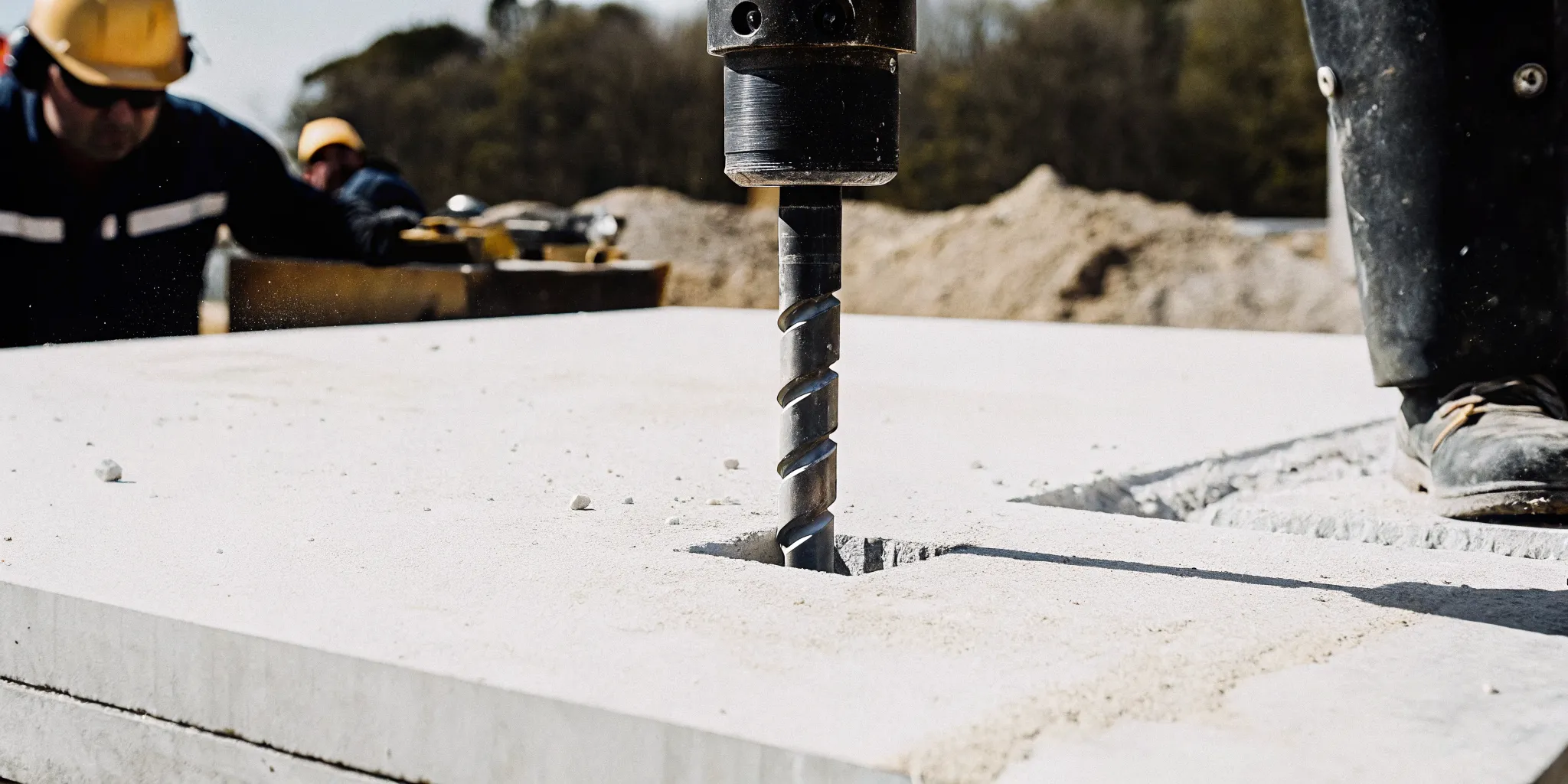
Installing plumbing pipes and electrical lines through reinforced concrete needs highly specialized cutting tools. Standard mechanical demolition methods are too clumsy and slow for these complex commercial construction tasks.
Contact All Pro Demolition for a custom quote on your core drilling project.
Precise core drilling Georgia contractors use is a specialty construction method used to cut clean, circular holes in concrete and masonry. This drilling process uses hollow, diamond-tipped bits to slice through dense floors, concrete slabs, and brick walls without damaging the surrounding building frame. Georgia builders rely on these clean cuts to route plumbing pipes and electrical conduits through both new and old commercial structures. By using advanced rig-mounted drills with wet-cutting dust controls, this quiet and vibration-free service helps contractors work safely in active commercial buildings. Relying on professional drilling avoids the severe concrete cracks, loud noise, and dangerous silica dust that common demolition methods usually cause on busy construction sites.
Understanding how this specialty drilling service works helps general contractors and project managers plan their commercial builds with confidence. To help you choose the best methods for your next Georgia construction project, we will examine How Core Drilling Works: Equipment and Techniques. Here's how
Core Drilling Georgia: How Core Drilling Works: Equipment and Techniques
The main drilling tools
Core drilling cuts clean, round holes in hard stone and concrete. Builders in Georgia use this method to run pipes or wires through thick walls. To do this, crews use special drill bits with diamond tips. These diamond-tipped tools cut through high-strength reinforced concrete with ease.
A standard drill bit will slip or break when it hits steel rebar. But diamonds are hard enough to grind through steel and stone. Crews use their concrete and core drilling expertise to pick the right bit for each project. They match the tool to the hardness of the slab.
The drill bit connects to a heavy power motor. For small holes, a worker can hold the drill by hand. But larger holes require a very stable setup. Crews must mount the drill motor to a heavy steel frame called a rig.
As noted in OSHA safety rules, rig-mounted drilling keeps the tool steady and cuts straight. The rig bolts to the wall or floor. This holds the drill steady so the cut stays perfectly straight.
Wet vs. dry drilling techniques
Crews use two main techniques to drill concrete: wet drilling and dry drilling. Dry drilling works best for soft brick or block walls. But cutting tough concrete requires wet drilling.
Water sprays onto the diamond-tipped bit during the cut. This stream keeps the tool from getting too hot and stops harmful silica dust from rising. It protects the crew and stops costly gear from breaking.
Hole sizes and drill depth
Being exact is key on a building site. Core drilling lets workers cut neat holes of many different sizes. These holes range from tiny paths for power wires up to large openings for thick pipes or HVAC vents. Georgia crews can cut holes of almost any size a project needs.
Drilling depth is also a crucial factor when planning the work. Deeper cuts require other drill bit sizes and the right water flow rates for proper care.
As the bit goes deeper, it needs more water to wash away the fine dust. Proper water control keeps the work safe and makes the drill bits last much longer.
Why this method saves money
Using core drills is much safer for a building than using heavy wrecking tools. Core drilling saves money when making holes in reinforced concrete. It is much better than old wrecking methods that can cause widespread structural damage.
Heavy wrecking tools send strong shocks through the concrete slab. These hard shakes can crack nearby walls and weaken the entire frame. A diamond drill cuts only the exact circle needed.
It leaves nearby concrete safe and strong. This clean work saves money by stopping extra repair bills on Georgia jobs. Local B2B builders choose this method to keep their projects safe and on track.
FactorCore DrillingMechanical Demolition (Jackhammer)Hole qualityClean, round, precise edgesRough, jagged, irregular openingStructural impactMinimal vibration, no crackingHigh vibration, risk of spreading cracksNoise levelModerate, steady drilling soundLoud, percussive impact noiseDust controlWet methods suppress silica dustDry impact generates airborne dustSurrounding repair costNone neededOften requires patchingBest use casePrecision penetrations for MEPFull slab removal
Common Applications of Core Drilling for Georgia Contractors
Professional core drilling is a key task for many construction projects in the South. Contractors, builders, and developers rely on these cuts to make clean holes in concrete. Whether starting a new build or updating an old space, getting precise holes is key to finishing the job on time.
Utility installations for MEP systems
Mechanical, electrical, and plumbing (MEP) systems need clear paths through thick concrete walls. Crews use heavy drills to make neat paths for pipes, power lines, and air ducts. This work is a main step for both new construction and old buildings. Using professional core drilling services ensures these cuts do not damage the main structure.
In many cases, drilling concrete can create a large amount of fine dust. Workers must use wet methods to stop this dust from getting into the air. This practice is part of OSHA silica standards which help protect workers on site. Wet drilling keeps the air clean and safe while making clean cuts.
Commercial building renovations
Commercial updates often need big layout changes to old buildings. When a new business moves in, they may need to change floors or walls. Workers use core drills to make neat holes in thick concrete floor slabs and wall systems. This clean cutting method is much faster than using heavy hammers to break the stone.
Using precise drills allows crews to work inside busy spaces without causing a big mess. Local shops do not have to close their doors while work is done. Our crews can complete the job with very little noise or dust. This keeps the project moving without causing downtime for tenants or owners.
Concrete strength and quality testing
Engineers must also check if concrete is strong and safe. They use core drills to extract small, round concrete samples for testing in a lab. These round cores are tested to find their strength and what they are made of. Testing is vital to make sure that bridges, roads, and tall buildings remain safe.
For any of these needs, hiring a trained team is a smart choice. Sites must stay safe, and tasks must get done right. When you need local experts, look for teams with skill in core drilling georgia projects. A trained crew will use the right tools to get your project done safely and quickly.
Why GPR Scanning Is Essential Before Core Drilling
Before drilling into concrete, a team must know what lies inside the slab. Inside dense concrete walls and floors, there are hidden hazards. These include steel bars, live power lines, water pipes, and tension cables. If a drill bit hits one of these items, the results can be risky and costly. We use GPR to find these items before using our core drilling and GPR scanning capabilities on Georgia job sites.
Non-destructive radar mapping
GPR is a safe, non-destructive way to scan a concrete slab. This method uses quick, high-frequency radar pulses to map the inside of the concrete before any drilling starts. The radar sends waves into the concrete and reads the signals that bounce back. This process does not harm or weaken the structure in any way.
By scanning first, crews get clear and fast feedback on what is inside the slab. The radar scan shows the exact layout of steel rebar, PVC or metal conduits, and hidden air pockets or voids. Knowing these details tells the team where it is safe to drill and where they must avoid. This prevents costly mistakes and keeps the job on schedule.
Risks of post-tension cable damage
Hitting a post-tension cable is one of the worst mistakes a drilling crew can make. These high-strength steel cables are kept under extreme tension inside the concrete slab. If a drill bit cuts a cable, the steel can snap with great force. This sudden snap can cause a building to collapse and puts workers in severe danger.
To protect workers, crews must find these hazards before they drill. Following OSHA safety standards on every job ensures the crew uses stable drills and proper methods to work safely. Striking buried power lines or water pipes also causes major delays and high-cost repairs. A single utility strike can shut down a job site for days.
Benefits of integrated concrete scanning
Many concrete cutting firms do not perform their own GPR scans. They hire an outside team to do the scanning before their drilling crew arrives. This delay can cause scheduling errors, higher project costs, and split trust. If something goes wrong on the site, each team might blame the other.
All Pro Demolition solves this issue by offering GPR scanning with our core drilling. Our trained operators run the radar scan and perform the drill cuts on the same visit. This single-source model gives you one point of trust and makes your project run much faster. By choosing a partner with both scanning and professional core drilling services, you ensure a safer and smoother job.
Core Drilling Safety: OSHA Standards and Best Practices
Every building job site in Georgia must put safety first. When crews perform core drilling, they face risks from silica dust and power tools. Proper planning helps keep workers safe. Following OSHA rules ensures that your team stays safe during core drilling Georgia projects.
Silica dust controls
Cutting concrete makes fine dust that can harm worker lungs. OSHA silica standards set clear controls to protect workers from this hazard. Wet-cutting methods are the standard way to control this dust. Using a steady stream of water on the drill bit keeps dust out of the air. This wet method works well. In fact, OSHA Table 1 shows that wet methods on rig-mounted drills remove the need for safety masks. If you use older tools, you do not have to buy new machines. Crews can add wet systems to older equipment to keep your site safe and follow the law.
Electrical safety with wet cutting
Using water to control dust keeps the air clean, but it brings new risks. Electrical safety is a key concern when water is near power tools. To prevent shocks, crews must use ground-fault circuit interrupters (GFCIs) on all electric lines. You must also use watertight electrical connectors for all tools. Pairing water controls with GFCI protection keeps workers safe. When you hire a partner with strong core drilling and GPR scanning capabilities, they will already have these safety systems in place.
Indoor ventilation and slurry cleanup
Working inside a building needs extra care. Doing core drilling in closed spaces can lead to dust buildup even when wet methods are used. For this reason, indoor jobs need extra ventilation to keep the air safe. Crews may need to use big fans or exhaust ducts to pull dust out of the workspace.
Cleaning up wet waste is also a major safety step. Wet cutting makes a thick mixture of water and concrete dust called slurry. Proper cleanup of drilling slurry is needed to prevent it from drying out. If slurry dries, it turns back into fine silica dust that workers can easily breathe. To stop this hazard, crews must vacuum or scoop up the wet mixture while it is still damp. Removing this waste keeps the job site clean and protects everyone from breathing harmful dust.
Core Drilling Across Georgia: Statewide Service Coverage
Many construction projects need precise concrete cutting across the state. Our crews offer core drilling services in Georgia with statewide coverage for projects in both rural and urban areas. We bring heavy rigs and skilled crews right to your job site in major hubs or smaller towns. Our team serves major cities like Atlanta, Columbus, Macon, Augusta, and Savannah.
We transport our heavy drills right to your job site. This ensures you get great work, whether you are fixing up a building in Savannah or starting a new project in Columbus. Our crew can handle jobs in busy downtown areas or quiet rural spots. Having a single team that travels statewide makes your planning easy.
Single-source project efficiency
General contractors often must deal with several subcontractors on a single project. Choosing an integrated partner like All Pro Demolition provides single-source accountability by handling standard demolition, core drilling, and GPR scanning. This setup removes the need to hire and manage many separate trade crews. It makes your work simpler and keeps your site on track.
This integrated service model streamlines your procurement and project management. You get a single partner with core drilling and GPR scanning capabilities to keep your project on schedule. Instead of writing several contracts, you work with one expert team. This single point of contact speeds up scheduling and reduces mistakes.
When one company manages the entire scope, there are no handoff delays. We scan the concrete first to find hidden pipes before our crew does the drilling. If demolition is also needed, the same crew handles the work without waiting for outside help. This smooth handoff keeps your schedule on track and lowers your costs.
Compliance and safety on every site
Every project site in Georgia must meet strict safety rules. The OSHA Table 1 guidelines mandate wet methods to stop silica dust from getting into the air. When we use these wet systems, workers do not need to wear respirators on the job. This keeps your site clean and safe for everyone.
We check our drilling gear often to make sure the wet systems work well. Our team inspects all drill bits and water hoses before we start drilling. After the work is done, we clean up any wet slurry before it dries into harmful dust. Taking these extra steps keeps your site safe under federal rules.
How to Choose a Professional Core Drilling Service in Georgia
Hiring the right concrete cutting team is vital for your project. A poor choice can lead to building damage, high repair bills, and long project delays. To prevent these costly mistakes, Georgia builders must vet their crews well before the work begins.
Verify safety certifications and OSHA compliance. Safe core drilling Georgia crews use heavy power tools that control fine silica dust. Crews must follow strict rules for dust control and shock hazards. They should use GFCI safety switches to stop shocks near water and clean up wet waste before it dries into harmful dust. Checking that your partner obeys OSHA safety rules is the best way to keep your site safe and avoid fines.
Confirm in-house GPR scanning capability. A top-tier provider performs a full site check before drilling. Buried inside concrete walls and floors are hidden hazards like steel rebar, water pipes, and live power conduits. Your drilling partner must scan the concrete slab using ground penetrating radar first. Choosing a firm with in-house core drilling and GPR scanning capabilities keeps your project moving fast.
Choose a single-source integrated service provider. Many projects need both standard demolition and precise concrete cutting. Managing multiple trade crews causes scheduling errors and delays. When you hire a single partner, you get one point of contact for the whole job. The same team that handles concrete scans can drill the holes and remove any debris. This close teamwork avoids handoff delays and reduces project costs.
Frequently Asked Questions
How deep can you drill into concrete with core drilling?
Standard concrete core drills can reach depths of 12 to 18 inches with a single bit. For thicker slabs, expert teams use steel extension rods to drill many feet deep. Based on the All Pro Demolition service guidelines, our heavy rigs can cut through deep concrete walls, slabs, and block walls across Georgia. We use custom setups to meet the exact depth needs of your building site.
Does core drilling damage the nearby concrete?
No, expert core drilling does not damage the nearby concrete. Unlike impact tools, a core drill uses a smooth spinning action with a diamond-tipped bit. This means there is no heavy pounding to cause cracks or weak spots in your concrete walls or floors. This safe, precise method keeps the nearby concrete strong and is perfect for both new builds and older concrete projects.
How much does concrete core drilling cost in Georgia?
There is no single flat rate for concrete core drilling in Georgia. The cost depends on the hole size, drilling depth, type of concrete, and job site access. All Pro Demolition offers the best rates in all of Georgia by setting each price based on the job. We offer free, custom quotes for every project to make sure you only pay for the exact work your job needs. Contact us through our website form or email us at om@allprodemolition.com to get your quote today.
Do you need GPR scanning before core drilling concrete?
Yes, scanning concrete before drilling is key for site safety and building strength. Ground penetrating radar (GPR) lets crews map out what lies inside the slab before cutting. The Concrete Sawing and Drilling Association notes that GPR finds steel rebar, tension cables, and live power lines. Finding these items first prevents costly utility strikes, building damage, and serious safety risks.
Ready to set up your expert Georgia concrete core drilling?
Putting off your expert concrete core drilling can stall your entire new building project and delay other trade crews who need to run vital lines. If you wait to cut clean round holes through thick concrete slabs, you will hold up your pipes and slow down your power line work. Setting up this key drilling work now keeps your timeline safe, prevents costly building mistakes, and lets your team stay on schedule every single day.
Contact All Pro Demolition for a custom quote on your core drilling project.