
How Much Does It Cost to Demolish a House?
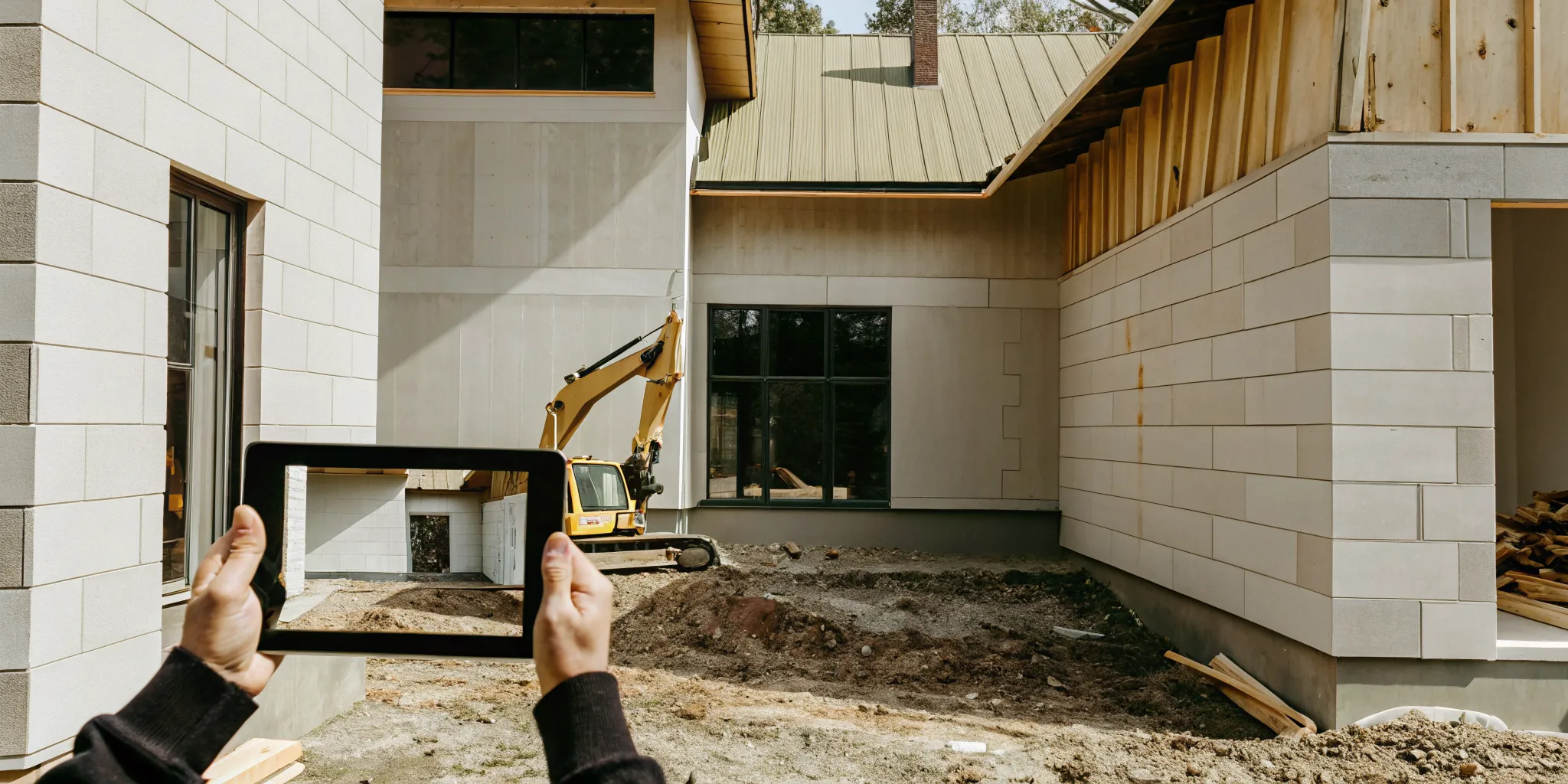
Tearing down an old structure is often the first, most crucial investment you'll make in your property's future. Whether you're clearing the way for a brand-new dream home or preparing a clean lot for sale, understanding the cost to demolish a house is essential for planning your next steps. This isn't just an expense; it's the groundwork for unlocking your property's true potential. In this guide, we'll explore all the factors that contribute to the final price tag, from the demolition method used to the cleanup afterward, ensuring you have a solid financial plan for this transformative project.
Key Takeaways
- Look Beyond the Square Footage: Your total demolition cost depends on key details like the home's size, its construction materials, and its location. Remember to also account for extra services such as foundation removal, asbestos abatement, and clearing other structures on the property.
- Account for the "Hidden" Costs: A successful project budget includes more than just the teardown, so plan for expenses like permits, utility disconnections, and debris hauling. Always ask your contractor what is included in their quote and set aside a 10 to 20 percent contingency fund for any surprises.
- Hire the Right Professional: Choosing a licensed and insured Georgia contractor is the best way to save money and avoid stress. An experienced team handles the project safely and efficiently, manages permits, and can even help you salvage materials to reduce your overall cost.
How Much Does It Cost to Demolish a House?
Figuring out the budget for a house demolition is often the first, and biggest, question on everyone's mind. While there isn't a single price tag that fits every project, you can get a very clear idea of what to expect by looking at industry averages and the key factors that influence the final cost. The price of tearing down a house depends on its size, the materials it's made of, its location, and what needs to happen to the land after the structure is gone.
Think of it less as a flat fee and more as a project with several moving parts, each with its own cost. From permits and inspections to the actual teardown and debris removal, a professional team considers every step. Understanding these components will help you create a realistic budget and feel confident when you're ready to get a quote. The best way to get an exact number for your project is to have an experienced contractor, like our team at All Pro Demolition, perform an on-site assessment. For now, let's break down the numbers so you know what to expect.
Breaking Down the Cost Per Square Foot
A common way to estimate demolition costs is on a per-square-foot basis. Generally, you can expect to pay between $4 and $10 per square foot for a full house demolition. This is a great starting point for a rough budget calculation. For example, demolishing a 2,000-square-foot house would likely fall somewhere between $8,000 and $20,000 based on this metric alone.
Of course, this range accounts for differences in the structure itself. A simple, single-story wood-frame house will be on the lower end of that scale. In contrast, a multi-story home built with heavy brick or reinforced concrete requires more intensive labor and specialized equipment, which would push the price toward the higher end of that per-square-foot estimate.
Estimating the Total Project Cost
While the per-square-foot cost is a helpful baseline, the total project cost includes much more than just the teardown. For most single-family homes, the complete demolition can range from $8,000 to $25,000. However, when you factor in necessary extras like testing for hazardous materials, securing the right demolition permits, and preparing the land afterward, the all-in cost often lands between $17,000 and $37,000.
These additional services are not just add-ons; they are critical for a safe and legal demolition. A comprehensive quote from a reputable contractor will always account for these elements. This includes fees for asbestos inspections, disconnecting utilities, and hauling away every last bit of debris, ensuring there are no surprise expenses later on.
How Costs Vary Across Georgia
Here in Georgia, demolition costs are generally in line with national averages, but local factors play a significant role. For a standard 1,500-square-foot house in our state, the average cost is around $18,000. The price per square foot can range anywhere from $4 to $15, depending on your specific location and the complexity of the job.
Why the wide range? Labor rates can differ between a major city like Atlanta and a more rural town. Additionally, local landfill fees for debris disposal and the accessibility of your property can influence the price. A home on a steep hill or a tight lot may require different equipment and a more careful approach, affecting the final cost. This is why getting a detailed quote from a local Georgia contractor who understands these regional nuances is so important.
What Factors Affect Your Demolition Cost?
Figuring out the cost of a house demolition isn’t as simple as looking up a number online. The final price tag depends on a handful of key variables that can change from one project to the next. Think of it like this: demolishing a small, single-story wooden cottage in a wide-open field is a completely different job than taking down a multi-story brick home in a crowded Atlanta neighborhood. Each project has its own unique challenges and requirements, which are reflected in the cost.
While the average cost to tear down a house in the U.S. is around $18,000, this is just a starting point. The true cost for your Georgia property will come down to several specific factors. The size and materials of your home, its location and how easy it is to access, and any extra structures like a garage or pool all play a major role. Even the time of year you schedule the work can affect the price. Understanding these elements will help you create a realistic budget and know what to expect when you start getting quotes from contractors.
Size and Type of Structure
The biggest factor influencing your demolition bill is the size and construction of the house itself. As a general rule, you can expect to pay between $4 and $10 per square foot. A larger home naturally requires more time, labor, and equipment to take down, which drives up the cost.
The materials also matter quite a bit. A simple wood-frame house is relatively straightforward to demolish. However, if your home is built with heavier, more durable materials like brick, block, or concrete, the job becomes more complex. These materials require more powerful machinery and more effort to break down and haul away, so the cost to demolish a house made of them will be higher.
Property Location and Accessibility
Where your house is located has a surprisingly large impact on the demolition cost. Tearing down a home in a dense urban area like downtown Atlanta or Savannah typically costs more than demolishing one in a rural part of Georgia. City projects often involve navigating tight spaces, managing traffic, and adhering to stricter noise and dust regulations, all of which add to the operational complexity and expense.
Accessibility is another key piece of the puzzle. If your property is on a steep hill, set far back from the road, or surrounded by delicate landscaping and neighboring structures, the demolition crew will need to be extra careful. This might involve using smaller, more precise equipment or taking additional steps to protect the surrounding area, which can increase labor hours and the overall cost.
Removing Pools, Garages, and Other Structures
Your demolition quote will cover the main house, but don't forget about any other structures on your property. Things like detached garages, sheds, decks, driveways, and old chimneys all need to be removed, and each one adds to the total project cost. Think of them as mini-projects that require their own planning and labor.
Removing an in-ground swimming pool is a particularly significant expense. Breaking up the concrete or fiberglass shell, excavating it, and filling the hole with soil is a major undertaking. Depending on its size and material, you can expect pool removal to add anywhere from $5,000 to $10,000 or more to your bill. Be sure to list every structure you want removed when requesting a quote.
Does the Time of Year Matter?
Believe it or not, the season you choose for your demolition can influence the price. Spring and fall are generally considered the best times for this kind of work in Georgia. During these months, the ground is typically firm and dry, which provides a stable surface for heavy machinery to operate safely and efficiently. Mild weather also means fewer potential delays from thunderstorms or extreme heat.
Demolishing in the middle of a wet winter can lead to muddy conditions that make it difficult for equipment to move around, potentially slowing down the project. Likewise, scheduling a demolition during the peak heat of a Georgia summer can sometimes lead to higher labor costs. Planning your project for the spring can help ensure everything goes smoothly and stays on budget.
Local Market Conditions
Finally, the cost of demolition is heavily influenced by local market conditions right here in Georgia. Factors like regional labor rates, fuel prices, and the fees charged by local landfills for debris disposal can vary significantly from one county to the next. The cost to demolish a home in a bustling metro area with high disposal fees will naturally be different from a project in a smaller town with lower operational costs.
This is why getting a quote from a local, experienced contractor is so important. While national averages are a helpful starting point, only a company that works in your area can give you a truly accurate estimate. They will have a firm grasp on local pricing and regulations, ensuring your quote reflects the true cost of getting the job done right in your specific location.
How Demolition Methods Impact the Price
The way a house comes down has a huge effect on the final bill. It’s not just about swinging a wrecking ball; different projects call for different strategies, and each one comes with its own price tag. The right approach depends on your property, your goals, and your budget. For example, a large, isolated structure might be a candidate for heavy machinery, which is fast but involves equipment costs. On the other hand, if you’re hoping to save and reuse materials, a more hands-on approach might be better, though it could take more time.
Choosing the right demolition method is a key decision that balances speed, labor, and material costs. A professional demolition contractor can walk you through the best options for your specific situation. They’ll consider the building’s size, its proximity to other structures, and what you plan to do with the land afterward. Understanding these methods will help you have a more informed conversation with your contractor and better anticipate the costs involved in your project.
Mechanical Demolition
Mechanical demolition is the method most people picture: using heavy machinery like excavators and bulldozers to take down a structure. This is often the go-to choice for larger buildings because it’s typically much faster than other methods. Getting the job done quickly means fewer days of labor, which can save money.
However, the cost of renting and operating this heavy equipment can be significant. Fuel, transportation to the site, and skilled operator wages all factor into the price. While it can be more cost-effective for big projects, the initial equipment expenses are a major part of the budget. As industry experts confirm, mechanical demolition is a trade-off between speed and equipment costs, making it ideal for projects where time is the most critical factor.
Deconstruction and Selective Demolition
If you’re looking for a more environmentally friendly option, deconstruction might be the answer. This method involves carefully taking a building apart piece by piece to salvage materials for reuse or recycling. Think of it as the opposite of construction. Things like hardwood floors, vintage fixtures, doors, and windows can often be recovered and sold.
While deconstruction can be more labor-intensive and take longer than mechanical demolition, it offers a unique way to offset costs. The money you make from selling salvaged materials can be put back into your project budget, and you’ll likely save on disposal fees. It’s a great choice for homeowners who value sustainability and want to find savings in unexpected places. Our team at All Pro Demolition can help you identify which materials in your home have salvage value.
Manual Demolition
Manual demolition is exactly what it sounds like: taking a structure down by hand using tools like sledgehammers and pry bars. This method is perfect for situations where precision is key or when heavy machinery simply can’t access the site, such as in a dense urban neighborhood or a tight backyard. It’s also used for interior demolition when you need to remove walls or fixtures without damaging the rest of the house.
Because it doesn’t involve large equipment, you save on rental and fuel costs. However, manual demolition is very labor-intensive, and the cost is primarily driven by the hours it takes the crew to complete the job. For smaller structures or selective projects where careful work is essential, the precision of manual demolition makes it the right, and sometimes only, choice.
Partial Demolition
Sometimes you don’t need to tear down the entire house. Partial demolition is the perfect solution for renovation or expansion projects where you want to keep the main structure intact. This could involve removing a single wall, taking off an old addition, or demolishing a garage to make way for something new. It allows you to selectively remove parts of a building while preserving the rest.
This method is almost always more cost-effective than a full demolition because you’re dealing with a smaller scope of work. You save on labor, equipment, and debris-hauling fees. Partial demolition gives you the flexibility to update your home without starting from scratch, making it a popular and budget-friendly option for homeowners looking to improve their property.
Do You Need a Demolition Permit in Georgia?
Yes, if you’re planning a full demolition project in Georgia, you will need a permit. This isn’t just bureaucratic red tape; it’s a critical step that ensures your project is completed safely and legally. The permitting process confirms that your plans meet local safety standards, environmental regulations, and zoning requirements. While it might seem like another item on your to-do list, securing the right permit protects you, your contractor, and your community. A professional demolition company can typically manage this process for you, but it’s helpful to understand what’s involved.
Permit Costs and Paperwork
Getting a demolition permit is an essential first step for any complete teardown. In Georgia, the cost for these permits generally falls between $150 and $500. The exact fee depends on your local jurisdiction, as each city and county has its own fee structure and specific paperwork requirements. Your best course of action is to contact your local government’s building or planning department to get precise details. They will provide the application forms and a checklist of everything you need to submit for your demolition project. This process ensures that every aspect of the demolition is properly documented and approved before any work begins.
Disconnecting Your Utilities
Before the first wall comes down, you must have all utilities disconnected from the structure. This is a non-negotiable safety measure. Demolishing a building with active electricity, gas, water, or sewer lines is extremely dangerous and can lead to serious accidents. You’ll need to contact each utility provider individually to schedule a disconnection. This process can take several weeks, so it’s wise to plan ahead to prevent delays in your demolition timeline. A professional contractor will require proof that all services have been safely shut off before they start the demolition work.
Key Zoning Rules to Know
Demolition projects are also subject to local zoning regulations. These rules are designed to guide urban development while ensuring public safety and minimizing disruption to the surrounding neighborhood. Zoning ordinances can dictate things like permissible work hours, noise limits, and how you must manage dust and debris. It’s crucial to consult your local zoning office to learn about any restrictions that apply to your property. Following these guidelines is essential for a smooth project, as failing to comply can result in fines or stop-work orders. Understanding these rules upfront helps you and your contractor plan accordingly.
What About Hazardous Materials?
Finding hazardous materials in a house you plan to demolish can feel overwhelming, but it’s a common part of the process. Materials like asbestos, lead paint, and mold were frequently used in older construction, and they require special handling for everyone’s safety. Ignoring them isn't an option; in fact, state and federal regulations often mandate their safe removal before any demolition work can begin. This is one of the most significant variables that can affect your total project cost, so it’s crucial to address it head-on.
A professional demolition team will have a clear protocol for identifying and managing these substances, ensuring the site is safe and compliant. This isn't just about following rules; it's about protecting the health of the crew, your neighbors, and the environment. Planning for hazardous material abatement from the start helps you create a realistic budget and timeline, preventing costly surprises down the road. The key is to work with a contractor who understands Georgia's specific requirements for hazardous waste disposal and can manage the entire process for you. They can connect you with certified inspectors and abatement specialists to ensure every step is handled correctly, giving you peace of mind that your project is in good hands.
The Cost of Asbestos Removal
Asbestos was a popular building material for decades, so it’s not uncommon to find it in older homes. If your property was built before the 1980s, you should assume it might be present. The first step is professional testing, which typically costs between $300 and $600. If the test comes back positive, removal is the next phase. Asbestos abatement is a specialized job that can cost anywhere from $1,500 to $3,000 or more, depending on the extent of the contamination. This isn't a DIY project or a corner you can cut. Safe asbestos removal is legally required to prevent harmful fibers from becoming airborne during demolition.
Dealing with Lead Paint and Mold
Beyond asbestos, lead-based paint and mold are two other potential hazards that can complicate a demolition. Lead paint is common in homes built before 1978 and poses serious health risks if disturbed. Mold can grow anywhere moisture is present, often hidden behind walls or under floors. Like asbestos, both require specialized removal procedures to ensure they are handled safely and don't contaminate the site or surrounding area. Factoring in the cost for professional lead or mold remediation is essential for an accurate demolition budget. An initial site inspection will help determine if these issues are present and what it will take to resolve them properly.
How to Check for Hazardous Materials
The only way to know for sure if your house contains hazardous materials is to have it professionally inspected. A certified inspector can test for asbestos, lead, mold, and other dangerous substances. This assessment gives you a clear picture of what you’re dealing with so you can budget accurately for any necessary abatement. Don't try to guess or skip this step to save a few hundred dollars; the cost of improper disposal or a worksite shutdown is far greater. An experienced demolition contractor can coordinate these inspections for you. At All Pro Demolition, we make this part of our initial assessment to ensure there are no surprises and that your project proceeds safely and on schedule.
Planning for "Hidden" Demolition Costs
When you get a quote for a house demolition, it’s easy to focus on that main number. But a smooth project is all about understanding the full scope of the work. Some expenses aren't always included in the initial estimate and can catch you by surprise if you aren't prepared. Planning for these "hidden" costs from the start helps you create a realistic budget and prevents stressful, last-minute financial scrambles.
Think of it as looking at the whole picture, not just the big, obvious parts. From what lies beneath the house to the cleanup afterward, a few key areas can add to your total project cost. A professional demolition team will be transparent about these possibilities, but it's always smart to be informed. Knowing what to ask about ensures there are no gaps in your understanding of the project's total investment. Let's walk through what those potential extra costs are so you can go into your demolition project with your eyes wide open and a solid financial plan in place.
Removing the Foundation
One of the most common surprises is discovering that foundation removal isn't part of the standard demolition package. Tearing down the walls is one thing, but pulling out a concrete slab or basement foundation is a whole other job. Depending on the size and complexity, the removal of the foundation can add between $2,000 and $10,000 to your bill. Always ask your contractor upfront if foundation and footing removal is included in their quote. If it’s not, you’ll want to get a separate estimate for that work so you can factor it into your overall budget.
Hauling Away Debris
Once the house is down, all that material has to go somewhere. The cost of hauling away debris is a significant expense that can sometimes be overlooked. This process can range from $2,000 to $4,000, influenced by the total volume of waste and local disposal fees. Concrete, wood, metal, and drywall all need to be transported and processed correctly. Make sure your contractor’s proposal clearly outlines who is responsible for debris removal and what the associated costs are. A clear plan for cleanup ensures your site is left tidy and ready for whatever comes next.
Insurance and Liability
Demolition is a high-risk job, and you want to be sure you’re protected. A professional contractor will carry comprehensive insurance, but certain situations can introduce extra costs. For example, if the crew discovers hazardous materials like asbestos or lead paint, the project will require special permits, equipment, and disposal methods. These safety measures are non-negotiable and will increase your budget. This is why hiring an experienced and fully insured team is so important. They know how to handle these materials safely and legally, protecting you from potential liability down the road.
Budgeting for the Unexpected
Even with meticulous planning, demolition projects can unearth surprises. You might discover an old, undocumented septic tank, buried utility lines, or a pest infestation that needs to be addressed before work can continue. Starting a project without a thorough site assessment can lead to these kinds of mid-project discoveries, causing delays and costly adjustments. A good rule of thumb is to set aside a contingency fund of 10% to 20% of your total estimated cost. This financial cushion gives you peace of mind and ensures that an unexpected issue won’t derail your entire project.
The Demolition Process: A Step-by-Step Guide
Knocking down a house is a lot more methodical than it looks. It’s a carefully coordinated project with distinct phases to ensure everything is done safely, legally, and efficiently. Understanding these steps can help you feel more prepared and confident as you move forward with your project. From the first site walk-through to the final cleanup, here’s a look at what you can expect when you work with a professional demolition team.
Step 1: The Initial Assessment and Plan
Every successful demolition starts with a solid plan. Before any work begins, a professional will conduct an initial assessment of your property. This involves walking the site to evaluate the structure, identify any immediate challenges, and understand your goals. This is your opportunity to discuss exactly what you want removed and what, if anything, you hope to salvage. Based on this walkthrough, the contractor will develop a detailed strategy and provide a comprehensive quote. Think of it this way: before you can lay a new foundation, you have to plan for the teardown. This initial step ensures everyone is on the same page and sets the stage for a smooth project.
Step 2: Get Permits and Handle Utilities
With a plan in place, the next phase is all about preparation and paperwork. Demolishing a structure requires specific permits from your local Georgia municipality, and a seasoned contractor will handle this entire process for you. While they manage the paperwork, your main task is to prepare the house itself. You’ll need to remove all personal belongings and, most importantly, arrange for all utilities to be safely disconnected. This includes water, electricity, gas, and sewer lines. A professional demolition company will not start work until they have confirmation that all services are shut off, ensuring the safety of everyone on site.
Step 3: Demolition Day
When demolition day arrives, you’ll see your plan put into action. The crew will start by securing the work area to ensure the safety of the site and surrounding properties. Because demolition involves heavy machinery and can be dangerous, hiring a professional is the safest choice. They handle all the complex details, from managing dust to executing the teardown with precision. Whether using an excavator for a full takedown or carefully deconstructing parts of the building, the team works efficiently to bring the structure down according to the plan. This is the most dramatic step, but for an experienced crew, it’s a controlled and systematic process.
Step 4: Site Cleanup and Final Haul-Away
The job isn't finished once the structure is down. A crucial part of the process is the complete cleanup and removal of all debris. The cost to haul everything away is a significant factor in your total project price, so it’s important this is covered in your quote. The crew will sort materials like concrete, wood, and metal, loading them into dump trucks for disposal. Some materials may even be sent for recycling. A professional team will leave your property clean, clear, and ready for whatever comes next, whether that’s new construction or landscaping. This final step provides a clean slate for your property's future.
What to Do with Your Land After Demolition
Once the dust settles and the last truck hauls away the debris, you’re left with a clean slate. This empty plot of land holds a ton of potential, but what’s the next step? Your decision will depend on your long-term goals, whether you plan to rebuild, sell, or simply restore the property. Each path has its own set of considerations, from site preparation to final landscaping. Thinking through these options beforehand helps you create a clear plan for your property's future. It ensures the transition from demolition to what comes next is as smooth as possible. Let's walk through what you can do with your newly cleared land.
Prepping the Lot for Rebuilding
If your goal is to build a new home or commercial structure, preparing the lot correctly is your first priority. After demolition, the land needs to be properly graded to ensure correct drainage and prevent future water problems. This is a critical step that a professional demolition team like All Pro Demolition can handle as part of the site cleanup. You may also need to have the soil tested to confirm it can support a new foundation. Finally, a thorough final inspection ensures no old foundation remnants or debris are left behind, giving your construction crew a perfectly clear and stable site to start their work.
Selling Your Vacant Lot
Sometimes, the best move is to sell the land. A clean, empty lot can be very attractive to developers or individuals looking to build their dream home from scratch. In many cases, demolishing an old house actually increases the property's value because it saves the buyer a significant step. When you decide to sell, remember to account for costs like real estate agent commissions and potential closing costs. Making the lot look presentable can also help it sell faster, so a little investment in basic cleanup or landscaping can go a long way in attracting the right buyer.
Landscaping and Restoring the Land
Even if you aren't ready to build or sell, you can’t just leave the lot as a patch of dirt. Restoring the land with thoughtful landscaping prevents soil erosion and makes the property look much more appealing. You could plant grass seed, add a few trees, or even start a garden. Proper landscaping can significantly improve the lot's appearance, which is great for neighborhood aesthetics and essential if you plan to sell later. It turns a vacant space into a clean, green area that adds value to your property and the community while you decide on your next move.
Common Mistakes That Increase Demolition Costs
A demolition project has a lot of moving parts, and it’s easy for costs to add up if you’re not prepared. Staying on budget is all about knowing what to expect and avoiding a few common, costly mistakes. By planning ahead for these potential expenses, you can ensure your project runs smoothly without any surprise bills.
Skipping the Hazmat Assessment
It can be tempting to skip a hazardous material assessment to save a little money upfront, but this is a gamble you don’t want to take. Many homes, especially older ones, contain materials like asbestos, lead paint, and mold. If these hazardous materials are present, they require special handling and disposal by certified professionals to keep everyone safe. Ignoring them can lead to serious health risks, legal fines, and project delays. A professional inspection is the only way to know for sure what you’re dealing with, allowing you to budget for safe removal from the start.
Forgetting Permit and Inspection Fees
In Georgia, you will almost certainly need a permit from your local city or county to demolish a structure. These permits come with fees, and you may also need to pay for official inspections before, during, or after the work. Forgetting to factor these into your budget can be a costly oversight. More importantly, proceeding without the proper permits can result in steep fines and stop-work orders that bring your entire project to a halt. A professional demolition contractor will typically manage the permitting process for you, but it’s essential to confirm this and account for the associated costs in your total budget.
Underestimating Cleanup Costs
When a house comes down, it generates an enormous amount of debris. The cost of hauling away and disposing of all that wood, concrete, and metal can be significant, sometimes running into thousands of dollars. This expense covers not just the dumpster rental but also the labor and landfill fees, which can vary depending on the materials. Some contractors might not include this in their initial quote, leaving you with an unexpected bill. Make sure any estimate you receive clearly outlines the plan and cost for site cleanup and debris removal. At All Pro Demolition, we provide transparent quotes that cover every step, including the final haul-away.
Hiring the Wrong Contractor
Choosing a contractor based on the lowest bid alone can end up costing you more in the long run. A quality contractor provides a detailed quote that breaks down all aspects of the job, from labor and materials to permit fees and a clear project timeline. Hiring an inexperienced or uninsured team puts you at risk for property damage, safety violations, and incomplete work that another company will have to fix. It’s crucial to partner with a licensed, insured, and experienced Georgia contractor who understands local regulations. This ensures your project is done right, on time, and safely.
How to Save Money on Your House Demolition
Demolishing a house is a significant investment, but it doesn't have to break the bank. With some strategic planning and smart decisions, you can keep your project on budget. The key is to think ahead and work with professionals who know how to maximize value and minimize waste. Here are a few practical ways to save money on your demolition project without cutting corners on safety or quality.
Get Several Quotes
One of the most effective ways to manage your budget is to get multiple quotes from different demolition contractors. Don't just go with the first company you find. Reaching out for several bids helps you understand the typical price range for your project in Georgia and gives you the power to compare. When you request a quote, make sure it’s detailed and in writing. It should break down all the costs, including permits, labor, debris removal, and any potential fees. This allows you to compare offers accurately and spot any red flags. While price is important, remember that the cheapest option isn't always the best value.
Salvage and Sell Materials
Your old house might be hiding some hidden cash. Before the wrecking ball swings, take a look around for materials that can be salvaged and sold. Things like hardwood flooring, old doors, vintage light fixtures, copper pipes, and even bricks can be valuable to the right buyer. In some cases, the value of salvaged materials, like structural steel, can significantly offset the cost of demolition. Discuss your plans with your contractor beforehand. Some companies will handle the salvaging for you or adjust their price based on the materials they can recover. It takes a little extra planning, but it’s a great way to recycle building materials and put money back in your pocket.
Partner with an Experienced Georgia Contractor
This might sound counterintuitive, but hiring the cheapest contractor can be the most expensive mistake you make. Demolition is a complex and potentially dangerous job that requires specialized equipment, proper permits, and a deep understanding of safety protocols. An inexperienced crew can cause property damage, miss hazardous materials like asbestos, or run into legal trouble, leaving you with costly fines and delays. Partnering with a licensed and insured Georgia demolition expert ensures the job is done right the first time. Experienced professionals know how to work efficiently, handle all the necessary paperwork, and manage the project safely, saving you money and stress in the long run.
Frequently Asked Questions
What's the very first step I should take if I'm considering demolition? Your first move should be to schedule an on-site assessment with an experienced contractor. This initial meeting is where a professional can see the structure, understand the property's access points, and talk with you about your goals. This step is the most reliable way to get an accurate quote and a clear project plan before you commit to anything.
Does the demolition quote automatically include removing the foundation and hauling away debris? Not always, and this is a very important detail to clarify. A basic quote might only cover tearing down the main structure. Foundation removal and debris hauling are significant tasks that are often priced separately. Always ask your contractor to confirm if these services are included in their proposal so you have a complete picture of the total cost.
How long does the entire demolition process typically take? While the actual teardown might only last a few days, the entire project from start to finish usually takes several weeks. This timeline accounts for the initial site assessment, the time it takes to secure local permits, scheduling utility disconnections, the demolition work itself, and the final site cleanup. A project involving hazardous material removal will require additional time.
Can I really save money by salvaging materials from the house? Yes, you absolutely can. Many older homes contain valuable materials like hardwood flooring, vintage doors, architectural details, and copper piping that can be sold. The best approach is to discuss this with your demolition contractor from the start. They can help you identify what's worth saving and may even manage the deconstruction process to preserve those items, which can help offset your total project cost.
Why is it so important to check for hazardous materials like asbestos? Checking for materials like asbestos and lead paint is a critical safety and legal requirement. If these substances are present and disturbed during demolition, they can create serious health risks for everyone nearby and result in expensive fines and project shutdowns. Identifying them with a professional inspection beforehand allows for proper, safe removal and ensures your project proceeds without any dangerous or costly surprises.