
Selective Demolition Contractors vs. Total Demolition
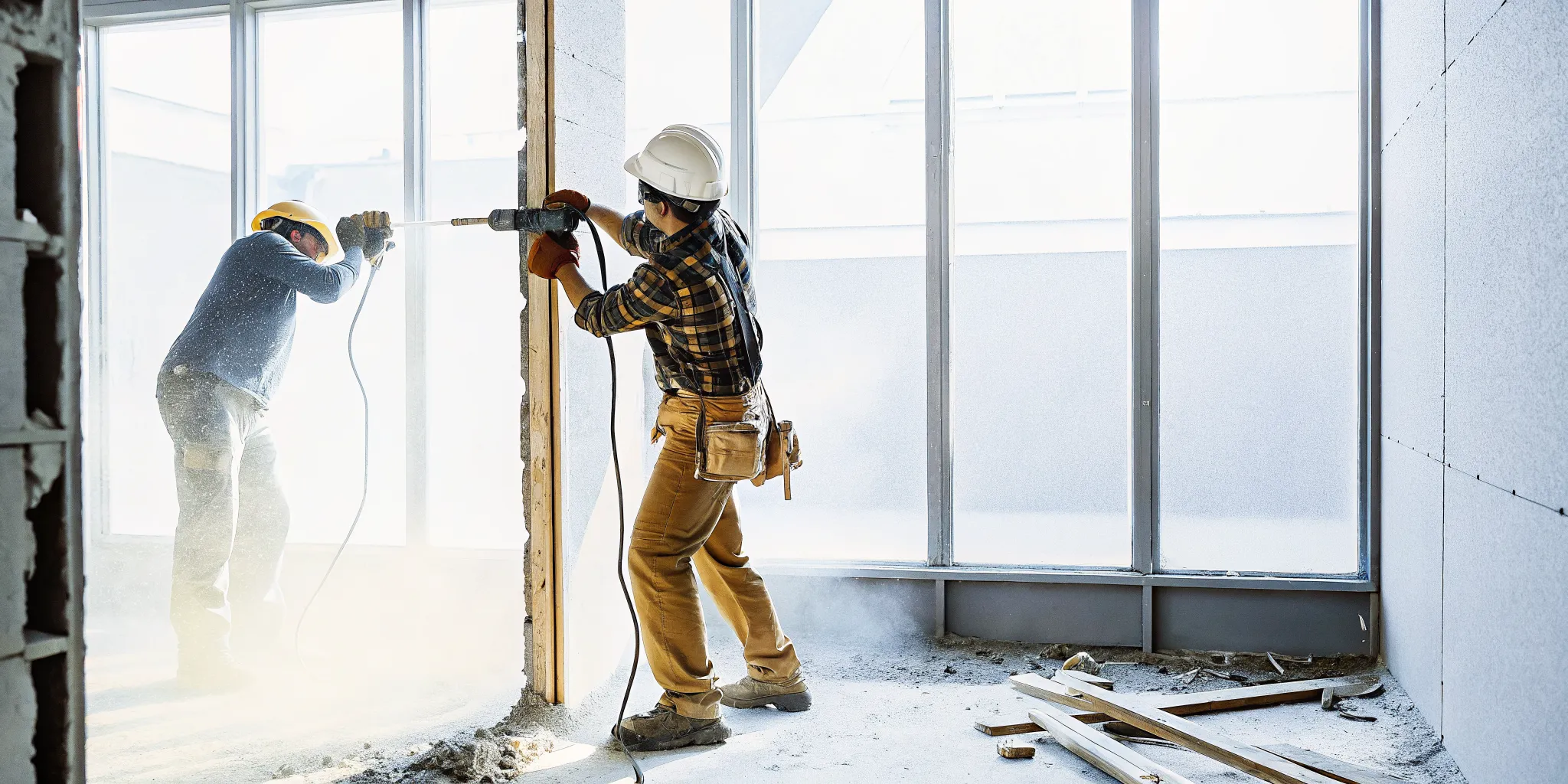
One wrong swing of an excavator can ruin support beams and shut down a job site. Complete teardowns often destroy foundations that are still in perfect shape. Smart builders use careful planning to protect core structures.
Selective demolition contractors target and remove specific parts of a building while saving the main structure, foundation, and nearby walls. This surgical method is ideal for retail spaces, tenant remodels, historic projects, and commercial building additions where a full teardown is not needed. According to the U.S. Environmental Protection Agency, deconstruction can range from reusing a foundation to removing specific materials to cut down on waste. Choosing the best path for your next job depends on your structural goals, local safety laws, and the actual condition of the existing slab. Hiring a skilled team of operators allows general contractors to safely modify commercial sites without risking the strength or stability of the property.
But how do you know which method is right for your commercial site? Deciding between these two approaches requires a close look at your project goals, budget, and building rules. To plan your next steps, we must first compare Selective Demolition vs. Total Demolition: What's the Difference?
Get a free project review and custom quote for your selective or total demolition job in Georgia.
Selective Demolition vs. Total Demolition: What's the Difference?
Every major building project starts with a choice. You must define the scope of your work before you start. This choice will affect your timeline, your budget, and how much waste you create. It is a key decision for any builder. You need to make this choice before you hire commercial building demolition contractors. Decide if you want to save part of the structure or clear the whole lot.
The surgical approach
Selective demolition is like surgery for a building. It is a slow, careful way to strip out specific zones while keeping the rest of the structure safe. According to the European Demolition Association, selective demolition uses slow, planned steps. This process helps workers salvage as many parts as possible. It keeps waste out of the dump by sorting scrap on site.
This type of work is common when you want to update an old space but keep its style. The U.S. EPA notes that selective deconstruction includes the partial teardown of buildings. This lets builders reuse the old slab, walls, or foundation. To do this, builders hire skilled selective demolition contractors who know how to protect the surrounding frame.
A clean slate with total demolition
Total demolition is the other path. Instead of saving parts, crews level the whole structure to the ground. This method is best when a building is unsafe, has bad damage, or no longer fits the needs of the site. It is a faster way to clear a lot and start fresh.
With total demolition, crews use heavy tools like excavators and wrecking balls to tear down walls all at once. There is no need to protect inside walls, wiring, or pipes. All waste goes into big bins to be hauled away to the dump. While this is faster, it means you cannot reuse the foundation or salvage small parts of the build.
How to choose for your site
Choosing between these two paths depends on your goals and the state of your building. If you are planning a business remodel, you will likely need a precise approach. This lets you open up the floor plan while keeping the facade intact. Total teardowns are reserved for when the main bones of a site are too weak to save.
You must also look at local laws and green goals. Many cities in Georgia now reward builders who cut waste and reuse parts. Taking the time to plan your scope well saves money and goods. A smart plan makes sure you do not waste good structures that still have years of life left.
What Is Considered Selective Demolition?
For Georgia construction teams, selective demolition is a clean way to take apart a commercial building. Unlike a full teardown, this work removes only specific parts of a structure while leaving the rest of the site intact. The European Demolition Association notes that these planned steps help save materials and reduce waste. This care protects the rest of the building while you reuse slabs and foundations for new designs.
Core elements of the selective process
A successful commercial project depends on a clear, step-by-step plan. Qualified selective demolition contractors will isolate the work area before any changes begin. Crews set up walls and shoring to support ceilings and keep the rest of the building safe. This ensures that the work does not disturb active parts of your building or put workers at risk.
On most commercial jobs, these tasks pair with other specialty trades. For example, crews often use interior demolition services to strip out drywall, ceilings, and old floors. This vital work must be carefully planned alongside concrete cutting and core drilling.
Our family-owned crew, founded by Omar Maldonado, has worked for over fifteen years across Georgia. We use GPR scanning to locate hidden utility lines and steel bars in concrete slabs before making any cuts. Using one skilled team for all of these tasks keeps your project on track.
Material salvage and waste reduction
A major goal of this method is to keep waste out of local landfills. According to the U.S. Environmental Protection Agency, this work can range from reusing a whole foundation to saving specific fixtures. This process salvages usable building parts like copper pipes, steel beams, and intact timber. Saving these items reduces the demand for new building materials on the local market.
Sorting materials on site prevents waste mixing, allowing concrete, steel, and timber to find new uses. When materials are mixed in a bulk pile, they become dirty and hard to recycle. This focus helps the planet and lowers landfill fees for Georgia businesses. A clear plan ensures your demolition work stays on track from start to end.
When to Hire Selective Demolition Contractors
Many commercial building projects do not need total teardowns. Instead, they need a focused approach to remove key parts of a building while keeping the main structure safe.
When you plan a remodel, you must decide if you should hire experienced selective demolition contractors to handle the fine work. These experts can safely take apart certain areas of a building. This method saves time and cuts waste, making it a great option for commercial projects.
Commercial renovations and tenant improvements
Tenant improvements and partial commercial strip-outs are common reasons to use these services. When a new business moves into an office, they often need to clear out old walls, floors, and fixtures. They may want to update the layout to fit a new floor plan. Doing this needs removing the old design while keeping the core building safe.
A skilled team can strip the space down to the bare studs without hurting the shared walls or main systems. This exact work is vital for retail shops, big stores, and office buildings where nearby firms must keep working. It lets businesses update their space without closing down or hurting their daily sales.
For these projects, choosing focused interior demolition services ensures the job is done right. We work statewide in Georgia to help contractors finish jobs on time. We know how to work with your team to avoid delays and keep your project on track.
Historic preservation and structural expansions
Historic buildings have strict rules for updates. You cannot simply tear down an old facade or damage the historic wood and brickwork. These buildings need a soft touch and special tools to save their unique charm.
Selective deconstruction helps save these old structures. In fact, deconstruction and reuse can range from saving an entire foundation to reclaiming old wood and metals. This process diverts building waste from local landfills, as supported by the U.S. Environmental Protection Agency. Salvaged bricks and beams can often be reused in the new design or sold to other builders.
When you expand a current building, you also need to make clean cuts. Adding a new wing means joining new walls to old ones. A skilled crew uses precise saw cutting to link the old structure to your new expansion.
Precision removal near sensitive areas
Some demolition work takes place near active utility lines, busy roads, or fragile structures. In these tight spaces, heavy wrecking balls are too risky. Workers must use small, precise tools to cut away concrete and steel. They must also control dust, noise, and vibration so they do not disturb the local area.
Planning for complex strip-outs must include input from engineering specialists to ensure structural stability. They help map out columns and beams before work starts. This planning keeps the work area safe for both the crew and the public. It also avoids sudden collapses and prevents costly structural damage to the rest of your building.
All Pro Demolition offers an integrated, single-source model. We handle interior and exterior demolition, core drilling, and GPR scanning in-house. This complete in-house model cuts out the need for multiple subcontractors so your project moves smoothly from start to finish. Our licensed team serves all of Georgia with top safety standards on every site.
How Does the Selective Demolition Process Work?
Pre-demolition prep and assessment
When you plan a Georgia renovation, you should hire experienced selective demolition contractors to handle the complex job. A safe project must always start with a deep site check to find any hidden collapse risks. Teams also map public and private utility lines like water, gas, and power before they cut any walls on the site. While general commercial building demolition contractors focus on bulk teardowns, selective teams work with high skill to preserve the strength of the remaining building.
The five steps of selective deconstruction
A surgical tear down follows a strict path to ensure site safety on every Georgia job. Expert crews use high-tech tools to protect the building parts that must stay in place. This step-by-step method keeps the renovation project on track and stops costly mistakes on the job. Following a clear plan makes sure of a smooth workflow for all trades working on the site.
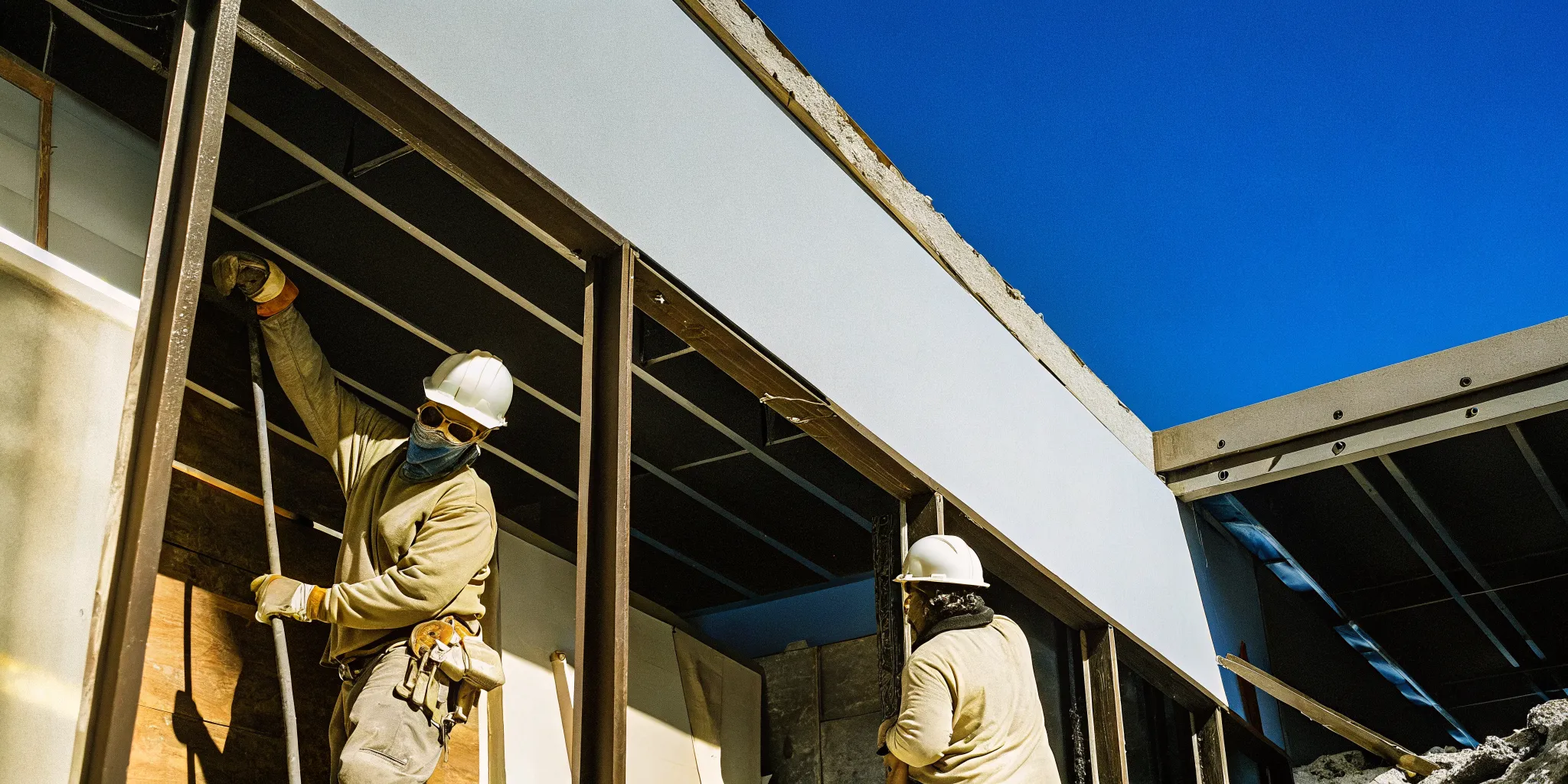
- Site assessment and utility locates. Engineers check the building's safety and search for hazardous materials like asbestos or lead. Crews also map public and private utility lines in the work area to stop unplanned cuts.
- Protection and shoring of preserved structure. Workers set up strong wood or steel supports to hold up the building parts that must remain safe. They put up tight dust barriers to keep nearby active business areas clean and safe.
- Phased removal of target elements. Specialists perform interior demolition services to carefully cut out set walls, floors, or fixtures. This surgical phase uses small machines and hand tools to stop damage to nearby structures.
- Material sorting and salvage. Crews sort materials like wood, metal, and concrete right on the spot to salvage usable items. According to the EPA, planning for deconstruction allows builders to salvage usable materials to protect the environment and reduce waste.
- Cleanup and waste diversion. The final step focuses on clearing out all remaining debris and cleaning the workspace. Crews load sorted waste onto trucks to haul it to recycling centers instead of dumping in local landfills.
Post-removal sorting and sustainability
Keeping construction materials separate on-site is the best way to maintain their quality for future reuse. When waste gets mixed in a bulk pile, it is much harder to recycle the debris later. Georgia developers use this surgical approach to meet local green building rules and save on waste disposal costs. This careful, step-by-step process makes sure that only the target parts of your building are changed during the project.
How Much Does Selective vs. Total Demolition Cost?
Choosing between selective and total demolition changes how you plan your budget. Both options have distinct costs and time needs that you must study. Weighing these key factors before work starts helps prevent unexpected project delays. Making the right choice early keeps your site safe and saves you money.
Analyzing the Cost and Labor Balance
Selective demolition often comes with higher upfront labor costs on construction sites. This is because sorting materials on-site takes more time and hands-on work than bulk removal. Laborers must carefully dismantle structures piece by piece to save parts of the building. As noted by the European Demolition Association, sorting waste by hand raises costs but preserves valuable resources.
Hiring experienced subcontractors is the most effective way to keep these labor costs down. You should look for selective demolition contractors that self-perform services in-house. A team that self-performs does not need to hire extra help or outside crews. This direct control helps keep your project on track and stops costly budget delays.
Evaluating Project Timelines and Sorting Methods
Total demolition usually moves much faster than precise, selective work. Heavy machinery can clear a whole building and haul away debris in just a few days. But this fast speed mixes waste, which hurts the quality of recycled products. Industry studies show that mixed materials often end up in landfills.
A selective approach takes longer but lets you salvage clean construction materials. Builders can recover valuable items like wood, metal, and light fixtures. According to the U.S. Environmental Protection Agency, salvaging materials is a key step in sustainable building. Saving these items diverts waste from landfills and lowers overall project costs.
Comparing Key Project Factors
To choose the right path, you must compare both methods carefully. Each option has distinct effects on your project timeline and overall budget. The table below shows the key differences between these two demolition options.
| Factor | Selective Demolition | Total Demolition |
|---|---|---|
| Project Scope | Targeted removal of specific structural parts. | Full teardown of the entire building. |
| Labor Intensity | High; requires careful manual sorting and hand tools. | Low; relies mostly on heavy machinery. |
| Timeline | Slower; requires precise, step-by-step phases. | Fast; bulk clearing happens in a few days. |
| Material Recovery | High; salvages clean materials for reuse. | Low; mixes materials into general waste. |
| Typical Use | Renovations, historic work, or building additions. | Site clearing, new builds, or unsafe structures. |
How Do You Stay Safe and Compliant During Selective Demolition?
Selective demolition needs a high level of care to keep workers and buildings safe. This process works around parts of a structure that must stay in place. You should always hire experienced selective demolition contractors to follow strict safety rules on the job site. They use a safety-first approach on every commercial site throughout Georgia.
Checking building stability and load limits
Before any work starts, a team must inspect the building. A detailed structural assessment is needed to check the foundation, walls, columns, and beams. This step helps the team find weak spots and stop cave-ins. It ensures that the rest of the building can bear its loads during the project. It also protects the parts of the structure that you plan to reuse.
Locating utilities and scanning concrete
Hitting a live utility line can cause fires, floods, or power cuts. Teams must locate all gas, water, power, and phone lines before they begin. They put these utility locates directly into the safety plan. This plan maps out exactly where work can and cannot take place.
To reduce utility risks, we scan the site. Our team offers core drilling and GPR scanning to map out pipes and steel. Our licensed heavy machinery operators then cut the concrete with great care. This single-source approach keeps the job safe while stopping delays that can derail your project schedule.
Managing hazardous waste and compliance
Older buildings often hold hidden dangers. Teams must inspect the site for hazardous materials like asbestos or lead before any tools touch the walls. Disturbed asbestos fibers or lead dust can harm worker health. If a team finds these materials, they must seal off the area and remove them safely.
Safe handling of these materials protects both workers and the public. Contractors must follow state and federal rules for waste. Our team ensures that all toxic waste is packed, labeled, and shipped to the right waste site. This care prevents long-term health risks and keeps your job site clean.
Demolition work needs expert input to ensure site safety. Professional engineers and subject-matter experts must review the teardown plan to meet local building codes. This careful planning keeps the project in line with state laws to prevent heavy fines. It also ensures that the site passes all city checks without delay.
Compliance also means following waste rules. The Environmental Protection Agency guidelines show how selective teardowns help salvage wood, metal, and fixtures. Reusing these materials keeps them out of local landfills and supports green building goals. Working with a skilled team ensures your project meets both safety and green standards from start to finish.
Frequently Asked Questions
How do you choose the right selective demolition contractors?
To find the right selective demolition contractors, check their work on complex jobs. You should look for firms that provide in-house concrete cutting and GPR scanning to avoid delays. According to the CCOHS, demolition planning needs experts to ensure safety. Always check their safety record and license before you sign a contract.
Do I need a permit for a selective demolition project?
Yes, you almost always need a permit. Local codes need them to keep workers and the public safe. Before work starts, you must locate and turn off utility lines like gas, water, and power. According to the CCOHS, finding these lines in the work area is a vital step in any safety plan.
What are the benefits of hiring professional selective demolition contractors?
Professional teams help you salvage valuable items and reduce project waste. This approach lets you reuse existing foundations or building parts for your new design. According to the EPA, deconstruction helps reuse materials like wood and metal to keep them out of landfills. An expert contractor ensures this work is done safely and cleanly.
Why is a structural assessment needed before selective demolition starts?
An assessment is vital to check the stability of load-bearing parts of the building. This keeps the rest of the structure safe from collapse while parts are removed. According to the CCOHS, you must also check for hazardous materials like asbestos or lead before work begins to keep workers safe.
Ready to Plan Your Georgia Demolition Project?
Waiting on your site prep can stall your entire build and raise your costs. Starting the planning process now ensures you get a safe, clear space ready on your timeline. Our family-owned team brings over fifteen years of hands-on experience to every job site across the state. We use skilled, licensed operators to keep all work safe and compliant. Working with selective demolition contractors that self-perform services keeps your job on track. Choosing a single-source partner also means we handle both interior and exterior demolition under one contract. This model removes the need for extra subcontractors and saves you from scheduling headaches.
Ready to schedule your review? Contact All Pro Demolition to request a project review and free consultation for your selective or total demolition project.