
Managing Dust and Safety in Commercial Interior Demolition
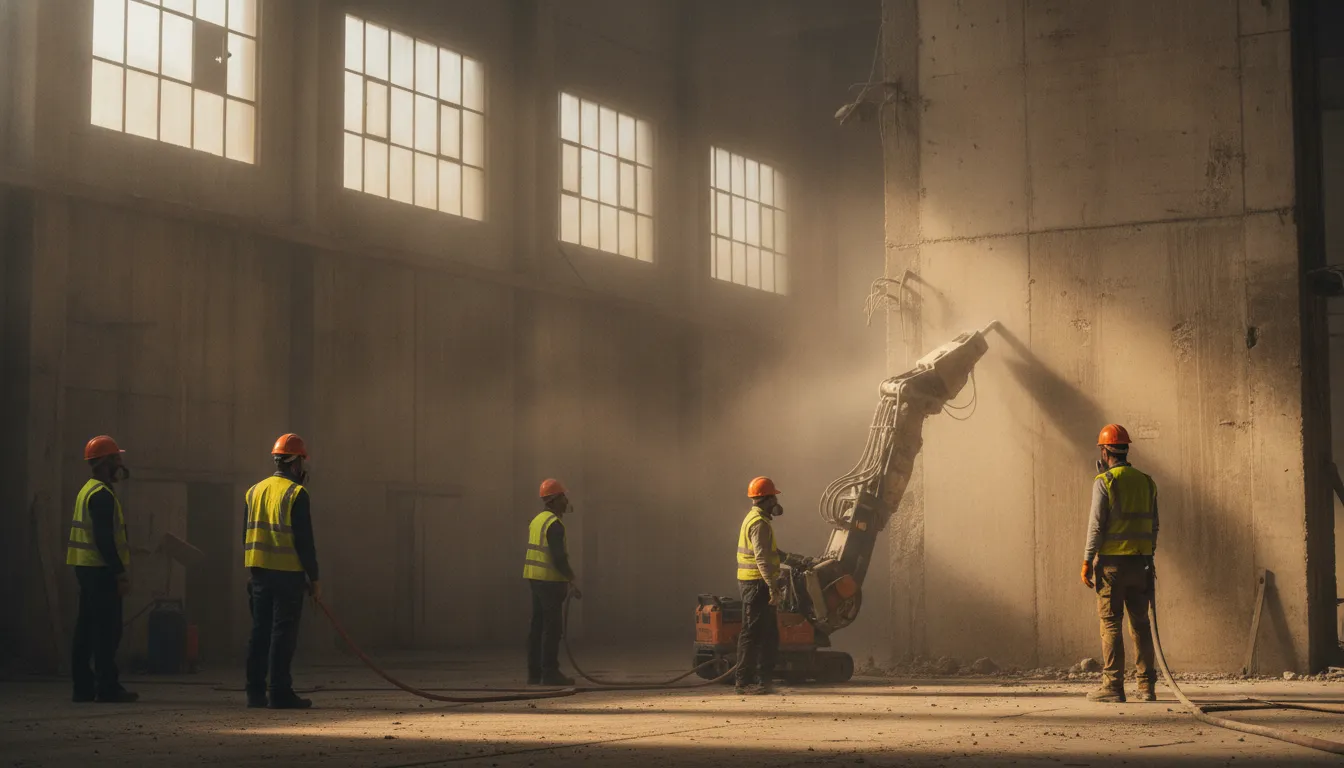
Thick white concrete dust settling on retail shelves or office computers shuts down active business sites instantly. Standard commercial building projects need strong dust control and strict safety rules to keep nearby rooms open.
Commercial interior demolition needs a careful plan that puts dust control and site safety first to protect building structures and people. Active projects must use wet dust methods, negative air pressure machines, and tight plastic walls to keep toxic silica dust from spreading to nearby rooms. Under federal safety laws, work crews must find hazardous materials like asbestos and lead paint before any tear-out begins on a commercial site. Hiring a licensed team that provides professional interior demolition services keeps the project safe. Their trained heavy machine operators ensure all work meets local building codes. This safe approach keeps business running smoothly in other areas of the property while work continues in the demolition zone.
Property owners and contractors often wonder how to balance speed and safety when clearing out an indoor commercial space. Managing these risks starts with understanding why dust and safety matter most on an active project, and the answer shapes every decision that follows.
Schedule a safe commercial interior demolition quote for your Georgia project today.
Why Dust and Safety Matter Most in Commercial Interior Demolition
Active job sites need close focus on safety. When crews demolish concrete, brick, or stone, they create massive amounts of dust. Managing this dust is not just a matter of keeping the site clean. It is a critical step to protect worker health and remain in compliance with federal rules.
Health hazards of silica dust
Silica is a natural mineral found in concrete, brick, mortar, and stone. When these hard materials are crushed or ground, they turn into a super-fine dust. This dust is so small that workers cannot see it, but they can easily breathe it in. Once in the lungs, the particles cause scarring and permanent damage.
Breaking down concrete or brick walls releases fine particles into the air. This material contains crystalline silica. When workers inhale this dust, the small particles go deep into their lungs. This exposure can cause irreversible lung damage and serious lung diseases over time.
Planning a selective commercial interior demolition helps general contractors find these risks early. Crews must take steps to isolate these dangerous particles before they spread to other parts of the building.
OSHA standards and wet methods
To meet safety rules, contractors must use wet methods on the job. Applying water sprays or fine mist helps keep dust from rising into the air. Federal rules say crews must use these water systems when other workers are nearby. A designated competent person must track these dust hazards and make quick changes to keep the site safe.
In an active commercial building, other businesses may be working next door. Dust cannot be allowed to leak into shared spaces. Wet methods are the first line of defense to keep the air clean. This step is also a key part of safety on every job.
These methods are vital during a strip-out project. Keeping dust low ensures that other building systems, like heating and cooling, do not get clogged. It also allows other trades to work in nearby spaces without wearing heavy masks.
Enclosed cabs for heavy equipment
For heavy work, operators need extra protection from dust. Running machines inside an enclosed cab can lower silica risk. According to federal safety guidelines, these cabs must run with positive pressure and use a MERV-16 intake air filter. Crews must clean these filters often to stop dust from building up inside the cab.
By using these high standards, a commercial interior demolition contractor protects everyone on the site. Choosing a team that has licensed operators and uses correct safety gear is key. This approach keeps your project on track and free from costly safety delays.
What Is an Interior Demolition and When Does a Commercial Project Need It?
Definition of interior demolition
An interior demolition is the process of stripping out the inside of a building while keeping the outer structure intact. This work often targets interior walls, floors, ceilings, and utilities. In many cases, a business needs a commercial interior demolition strip-out to prepare a space for a new tenant. This process allows builders to clear out old materials without changing the outer shell of the property.
This type of work needs great care. Crews use small machines and hand tools instead of wrecking balls. They must work carefully to avoid harming plumbing, wiring, and structural columns that must stay. This selective approach sets interior work apart from total site clearing.
Workers often use concrete saws, hand-held drills, and small skid steers to break up materials. Since they work in closed spaces, they must avoid large engines that make fumes. Instead, they rely on electric tools or propane gear. This planning ensures the project moves forward without putting worker health at risk.
Common triggers for commercial interior upgrades
Commercial spaces must change as business needs grow. Property owners often need to change their floor plans when new tenants move in. For example, a large open warehouse might become a set of small offices. These tenant improvements need crews to remove drywall, old fixtures, and flooring.
In other projects, modern upgrades are the main goal. Business owners must update old heating, cooling, or power systems to meet current energy rules. A crew will perform selective demolition to take down outdated systems while guarding the rest of the building. This method keeps the building usable and cuts total waste.
In Georgia, many older office buildings and retail malls are facing major changes. Developers often buy old retail centers and convert them into mixed-use offices or medical clinics. These large shifts need a complete interior strip-out to build the new spaces. An expert team ensures these changes are fast, safe, and clean.
Hazardous materials and safety codes
Safety is a major factor during any commercial renovation. Older buildings often contain toxic materials, such as lead paint, asbestos, and mold, that modern codes now ban. When crews disturb these surfaces, harmful dust and fibers can enter the air. To protect workers and the public, teams must follow strict rules for handling these toxins.
Commercial interior demolition requires careful management of contaminants to ensure building safety for all people and workers. Under the EPA asbestos standard, crews must find and safely remove toxic materials before any work starts. Expert teams then isolate, extract, and dispose of these items. This work keeps the job site clean and protects the air.
Four Ways to Control Dust During Commercial Interior Demolition
Active work zones during a commercial interior demolition project can create a large amount of dust. This dust contains tiny silica particles that can hurt the lungs of your workers. To keep the air clean and follow federal laws, crews must use dust control methods. These methods shield both the operators and other workers in the building. As a Georgia-based specialist, our team always uses these steps to keep active job sites safe.
Wet methods and dust suppressants
Applying water is the most common way to stop dust. Demolition crews use water sprays and large atomized misting devices to suppress silica dust. This wet method stops dust before it can float into the air. Water makes the heavy concrete and brick dust fall to the ground. These sprays are highly effective for cutting, drilling, and crushing concrete surfaces.
When other crews work in the same area, dust control is even more critical. Under OSHA guidelines for construction, you must apply water to reduce visible dust. This is required when other workers are in the area. Following this rule protects everyone on the job site. It also keeps your project compliant with all safety standards.
Containment and engineering controls
Keeping the dust in one room is another key step. Crews set up thick plastic sheeting to create tight physical barriers. This zoning keeps dust from spreading into other parts of the building. It is a major part of commercial interior demolition safety on any renovation job. Barriers are vital when you work in an active office or shopping center.
Crews also use negative air machines to clean the air. These machines pull dusty air through heavy HEPA filters. The system traps the small particles and vents clean air outside. This method keeps dust from moving into active offices or stores. It helps keep the air fresh and safe for nearby staff.
Operator cabin air systems
Crews must also protect the people who run the machines. Running heavy equipment inside an enclosed cab reduces exposure to harmful silica dust. To work well, the cab must be well-sealed and well-vented. It must use positive pressure to keep dusty air out. This pressure keeps the inside air clean even in thick dust.
The air system in these cabs needs a high-quality filter. The system must use an intake air filter with a minimum MERV-16 rating to trap small dust particles. Crews must also clean the cab filters often. This step keeps settled dust from blowing back into the cabin air. Clean filters ensure that drivers breathe safe air all day.
| Method | Best for | Key benefit | OSHA alignment |
|---|---|---|---|
| Wet methods | Concrete and brick demolition | Suppresses dust at the source | Required when other workers are present |
| Engineering controls | Active indoor work zones | Cleans and vents indoor air | Required to maintain safe air quality |
| Containment barriers | Zoning and isolating work areas | Stops dust from spreading | Supports standard isolation protocols |
| Enclosed cabs | Heavy equipment operators | Protects driver breathing air | Must use positive pressure and MERV-16 filters |
Safety Protocols for Active Commercial Interior Demolition Projects
Safety is the main goal on any construction site. In a busy workspace, a strong safety-first culture helps prevent accidents and keeps team members safe. Before any work begins, a contractor must set up clear rules to protect workers and visitors.
Rigorous preparation for safe project execution
Planning is the first step of a safe project. A good team looks at the job site to find hazards before starting. This planning keeps the site safe and helps the work run smoothly.
- Pre-demolition hazard check. Engineers review the site layout and find any hidden power and water lines. This step ensures that workers do not strike live wires or pipes during active work.
- Asbestos and lead testing. Workers test the building for harmful materials. By law under the EPA NESHAP standards, crews must remove regulated asbestos before active work disturbs it.
- Setting up local containment. Crews seal off the work area with plastic barriers and set up negative air machines. This keeps dust and silica particles from moving to other parts of the building.
- Using personal safety gear. Every worker on the site wears the right gear. This includes hard hats, safety glasses, and respirators that keep harmful dust out of the lungs.
- Daily oversight by a competent person. Under OSHA standards, a designated competent person must inspect the site daily. This leader finds silica hazards and has the power to take prompt action to protect workers.
Active field controls and oversight
Active work needs constant care to keep dust low and protect operators. High-quality machinery plays a big role in this effort. For example, using enclosed cabs on heavy machines helps keep workers safe. These cabs use positive pressure and intake air filters with at least a MERV-16 rating to reduce dust exposure.
Licensed heavy machinery operators run these machines in tight spaces and follow strict safety plans. They monitor dust levels all day to keep the site clean. These tools and plans protect other workers in the building from breathing silica dust. You can learn more about these steps in our commercial interior demolition safety guide.
A strong local safety culture
A great team focuses on safety from start to finish. Our family-owned business has more than 15 years of experience and builds a safety-first culture on every job. This focus on safety protects your property and keeps your project on track. When you need to hire an expert, vetting a commercial interior demolition contractor is a key step.
The right partner has the licensing, tools, and training to handle complex jobs across the state of Georgia. Working with a single team for all your demolition needs keeps ownership clear. This approach keeps the work zone safe and helps you avoid costly delays.
Containment, Ventilation, and Air Quality Standards
Physical dust barriers
Dust control is a main safety concern during a commercial interior demolition project. Crews must stop dust from moving into other parts of the building. Professional teams set up strict barriers before starting interior demolition services to keep occupants safe. Workers use heavy plastic sheets to seal off the work zone. They tape all doors, vents, and seams to block any path for dust.
Negative air pressure and HEPA filters
To keep air clean, crews use negative air machines. These machines pull dirty air out of the work space and push it through HEPA filters. The filters catch tiny dust particles, including harmful silica. This setup ensures that clean air goes out while dust stays inside. Using these engineering controls is a vital part of commercial interior demolition safety protocols. For best results, crews also use wet methods to suppress dust on the job site. Under OSHA construction rules, wet sprays or misting are needed when other workers are present.
Meeting building codes and standards
Clearing out old structures does more than just prepare a space for new construction. This process is a key step to modernize the entire property. Taking down old walls allows teams to update the building's infrastructure. It allows the setup of new, energy-efficient ventilation and insulation systems. These updates help the building comply with modern ASHRAE and local building codes. In the end, this work improves overall indoor air quality and lowers utility bills.
Modern air systems need more space to run than older designs. Removing old partitions gives builders the room they need to place new ducts. It also makes it easier to install modern air filters. By planning these steps during demolition, owners can save both time and money on future upgrades.
Protecting active business zones
Active business settings require careful planning during commercial interior demolition. If a building is still open, crews must protect both staff and clients from noise and dust. Even a small amount of dust can damage sensitive tools like computer servers and office gear. Crews use real-time air monitoring to track dust levels in the air. This ensures that the air quality stays within safe limits during the work.
Specialized crews use quiet, electric-powered tools to reduce sound and fumes. Keeping the workplace safe means planning every step ahead of time. These steps protect the health of everyone in the building. It also helps the project stay on track without costly shut-downs.
Why GPR Scanning and Utility Surveys Matter Before Demolition
Every safe project begins with a clear plan. When you start a commercial interior demolition, you cannot see what is behind concrete walls or under floors. Hitting a live power line or a water pipe can stop work fast. It can also cause harm and cost a lot of money. Because of these risks, GPR scanning and utility surveys are not just helpful steps. They are needed to keep the job site safe. Proper planning before any work starts keeps crews safe from sudden utility strikes.
Locating hidden utilities
Active commercial buildings have complex utility lines buried deep inside concrete slabs. Before crews begin heavy work, they must find them. Using modern GPR scanning tools helps teams see through solid concrete. This scan finds power lines and gas pipes. It also spots post-tension cables and rebar before any core drilling starts. Knowing the exact spot of every utility pipe protects the building structure and avoids costly delays.
Failing to find these hazards can cause major problems. A single cut into an active line can shut down a whole office or retail space. It can also release harmful fumes or spark a fire. Before any work begins, crews must check for old hazards like lead or asbestos. Under EPA NESHAP rules, asbestos materials must be removed before demolition or renovation starts. Finding these issues early prevents health risks and work delays. Managing these materials well keeps the project in line with federal safety laws.
Preventing hazards in active settings
In active business spaces, safety is the main goal. People and guests are often in nearby rooms. This means crews must work with care to avoid making too much noise. Using a single team for both demolition and scanning makes the project run much faster. This single-source integrated service keeps the job simple. It means you do not have to deal with many other crews. One team handles the scanning, drilling, and demolition with full safety controls in place. With one partner running the whole job, you avoid any planning gaps between scanning and cutting crews.
Handling risks keeps the building safe for everyone who enters. Crews isolate and manage hazards per EPA and OSHA rules. This is crucial for active offices, hospitals, and schools where dust and noise must be kept low. Having one expert team manage the work ensures full safety from start to finish. It also gives property owners peace of mind during complex projects.
What Does Commercial Interior Demolition Cost?
Planning a commercial interior demolition needs a clear view of your budget. But because every building is unique, there is no single flat rate for this work. In Georgia, crews must look at several project details to give an exact price.
Key cost drivers for commercial spaces
The size of your commercial space is the main cost factor. Larger spaces need more labor and time, but they often have a lower cost per square foot. The type of building structure also plays a big role. For instance, clearing out a light wood frame office is much simpler than taking down heavy steel and concrete walls. If your project needs special tools, this will also affect the final price.
Your project schedule also changes the total cost of the work. If you need the job done fast, the firm may need to bring in larger crews. Working during off-hours or nights so you do not disrupt other tenants can also raise the price. Planning your timeline early helps you find a low-cost path.
Hazardous materials and building access
Safety is a major cost factor for older buildings. Many older buildings contain lead paint, mold, or asbestos. Under EPA NESHAP rules, teams must safely remove this unsafe waste before demolition work begins. Testing for these hazards adds to the project cost. But this step is needed to protect workers and future tenants.
Site access also impacts the final price of the project. If the building has small doors, tight stairs, or no freight lift, moving heavy gear inside is much harder. Crews must use smaller hand tools and do more work by hand, which slows down the job. Easy access for waste trucks and heavy machines helps keep the job on time and on budget.
Estimates and custom quotes in Georgia
To get the best price, you should work with an expert who knows local building codes. All Pro Demolition provides some of the best rates for quality interior demolition services throughout the state of Georgia. Our team works with you to design a clear plan that fits your budget and meets all safety standards.
Because every commercial interior demolition job has its own needs, we do not offer flat pricing. Instead, we create a detailed, custom quote for each client. You can request a custom quote today through our contact page to start your project with a team of safety-focused experts.
Request your free quote on our contact page to plan your next interior demolition job.
Frequently Asked Questions
Can commercial interior demolition be done while a building is occupied?
Yes. Crews can safely do commercial interior demolition in occupied offices or stores by using tight seals and dust controls. According to OSHA rules, workers must use water sprays to stop dust when other people are near the site. Teams set up plastic walls and high-tech air filters to keep dirty air from moving. This keeps people in the rest of the building safe from dust.
Is asbestos testing required before commercial interior demolition starts?
Yes. You must test for asbestos before any project starts. The EPA requires that crews find and remove all regulated asbestos before work begins. Older buildings often have asbestos in tiles, pipes, or walls. If crews find it, licensed experts must take it out first. This step keeps dangerous fibers out of the air when the main work gets underway.
What are the three main types of building demolition?
The three main types are selective, interior, and total demolition. Selective demolition removes only specific parts of a building while keeping the main structure. Interior demolition clears out walls, floors, and ceilings inside to prepare for new use. Total demolition knocks down the entire structure. Trained crews use heavy tools and clear plans to do each job safely.
How much does commercial interior demolition cost?
The cost of commercial interior demolition depends on the building size, the materials inside, and the scope of the work. Because every job is unique, crews do not use flat rates. To get an exact price, you should request a custom quote. Professional firms in Georgia assess your site to provide a clear, custom price based on your specific needs.
Ready to Start Your Commercial Interior Demolition?
Ignoring active silica dust hazards during a strip-out can lead to poor air quality, heavy safety fines, and project delays that raise your costs. Planning your containment and booking an expert crew early prevents these problems, keeps your project on track, and protects everyone on your job site. You can view our interior demolition services to learn how our licensed team uses specialized tools to keep your commercial build safe and clean.
Ready to get started? Contact our expert Georgia team to request a quote for your commercial interior demolition project today and keep your site safe. Our family owned Georgia company offers reliable statewide coverage and high quality service for every job.