
How Slab Removal Contractors Handle Tight-Space Demolition
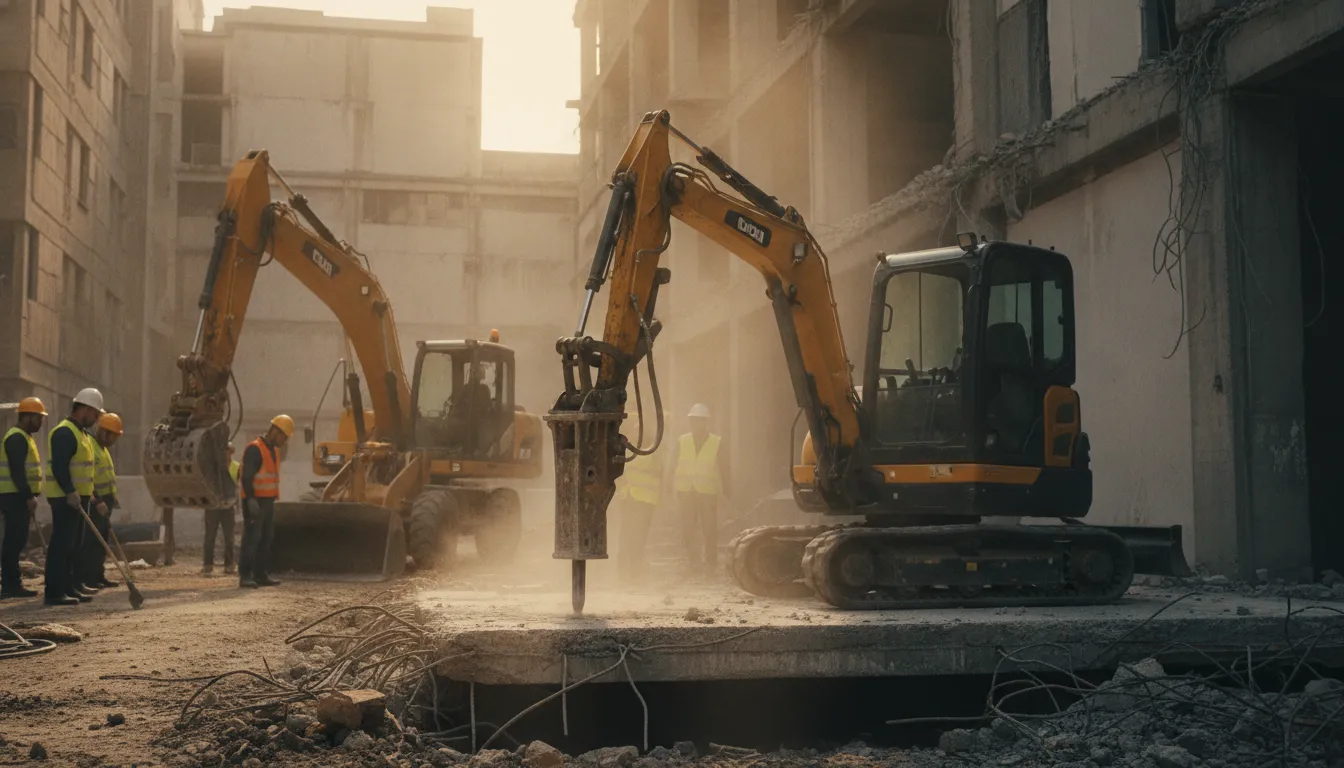
Removing a concrete slab inside an active commercial site is not simply a matter of breaking concrete and hauling it away. Limited entry points, nearby utilities, occupied areas, and restricted staging can affect every cut, lift, and load-out, and each misplaced decision compounds into schedule delays and site disruption. The plan must match the structure, the equipment, and the way people and materials move through the property. Because a method that works in an empty lot can create real problems when a building is still in use around it.
Experienced slab removal contractors evaluate access, slab thickness, reinforcement, utility locations, dust control, and haul logistics before selecting equipment and sequencing the work. For Georgia commercial projects, that front-end planning helps protect adjacent work while keeping demolition safe and predictable.
In a tight space, the removal method matters as much as the equipment. The same square footage can demand different saw cuts, breaking tools, and lifting solutions depending on how it is reached and what must remain untouched. Understanding why confined-site slab work requires a more deliberate approach than open-area demolition is the first step toward choosing the right contractor for the project.
Why Concrete Slab Removal Demands a Different Approach in Tight Spaces
Removing a slab beside an occupied building, inside a mechanical room, or along a narrow access lane is not the same as breaking concrete on an open site. The work has to be planned around what cannot move: walls, finished surfaces, active operations, neighboring structures, and people who still need a safe route through the area.
Access is usually the first constraint. A machine may need to pass through a gate, doorway, or loading area with limited clearance. The team must account for turning radius, floor loading, overhead obstructions, and the path used to remove broken concrete. Site accessibility planning matters when heavy machinery or lifting equipment is involved, and OSHA identifies significant safety considerations for both equipment operators and workers nearby. OSHA guidance on cranes and derricks is a useful reference for the training and precautions required around lifting operations.
Utilities change the sequence
Concrete removal can expose more than the slab itself. Buried electrical lines, plumbing, gas services, irrigation, and communications infrastructure may run below or beside the work area. Before removal begins, the scope should be confirmed and the site surveyed to identify buried utilities and irrigation lines. That information affects where cuts are made, how deep equipment can work, and whether a section should be lifted rather than aggressively broken.
Staging and egress require deliberate planning
On a confined site, there may be no room to park equipment, stage debris, and maintain an open emergency route at the same time. A workable plan assigns space for the machine, cutting tools, workers, containers, and haul access before demolition starts. It also establishes how pedestrians, trades, and delivery vehicles will be separated from the removal zone. If the only exit is blocked by debris or equipment, a small scope can create a serious site-control problem.
Equipment and hauling must match the site
The largest available machine is not automatically the most efficient choice. A compact breaker or saw may work better when access is narrow and vibration must be controlled. Conversely, a heavier machine or lifting solution may be justified when broken sections cannot be rolled or carried to the haul point. Haul logistics are part of the demolition plan, including container placement, loading limits, travel distance, and the timing of truck access.
Experienced slab removal contractors evaluate these constraints before selecting a method. The result is a controlled sequence that protects surrounding work, keeps routes usable, and moves debris out without turning limited space into a second demolition problem.
How Slab Removal Contractors Handle Confined-Site Demolition in Georgia
Confined-site demolition succeeds or fails during planning, before a breaker or saw reaches the concrete. Slab removal contractors first establish how the work will fit around the building, active operations, neighboring structures, and the route for removing debris. The objective is not simply to break the slab. It is to control access, protect what remains, and keep the project moving without creating avoidable conflicts for the general contractor.
1. Survey the site and confirm the work area
The process starts with a site survey that documents slab thickness where known, surrounding walls, columns, curbs, doors, overhead clearances, loading areas, and available equipment paths. The survey also identifies where workers, tenants, vehicles, and deliveries will intersect with the demolition zone. Measurements matter in tight locations because a machine that can break the slab may not be able to enter, turn, or exit safely.
Before removal begins, the demolition scope is confirmed against the drawings and field conditions. This includes checking for buried utilities, irrigation lines, embedded services, and other features that may not be visible from the surface. A locate is a planning requirement, not an optional add-on. Where the risk or uncertainty warrants it, All Pro Demolition can coordinate utility detection with in-house GPR scanning. Giving the project team a clearer picture before cutting or breaking concrete.
2. Match staging and access to the actual site
Staging is planned around the sequence of work. The team determines where saws, breakers, skid steers, protective barriers, containers, and haul vehicles can be positioned without blocking emergency access or other trades. Smaller equipment may be selected for an interior or narrow approach, while a lift or crane solution may be evaluated when debris must move over an obstruction. OSHA identifies significant safety considerations for lifting devices, operators, and nearby workers, so equipment access and lifting precautions must be evaluated together, not after demolition starts. OSHA guidance on cranes and derricks provides the relevant safety context.
3. Control traffic, pedestrians, and trade conflicts
On commercial sites, a safe work zone includes more than the slab footprint. Barricades, spotters, exclusion zones, dust controls, and a defined pedestrian route help separate demolition from employees, customers, residents, and adjacent crews. The schedule is coordinated around deliveries, inspections, utility work, and other critical milestones. If the site remains occupied, the plan may divide the work into smaller phases so one area can be secured and cleared before the next begins.
4. Sequence removal to limit disruption
Once controls are in place, demolition is sequenced from saw cutting and isolation to breaking, lifting, loading, and haul-out. Cuts can define manageable sections and reduce uncontrolled vibration. Debris is removed in planned loads rather than allowed to accumulate in access lanes. The final sequence also accounts for subgrade inspection, cleanup, and the next trade's access.
For projects where the key decision is whether to remove only selected areas or pursue a broader tear-out, review the guide to selective demolition versus total demolition before finalizing the scope.
Heavy Machinery and Equipment for Slab Demolition
Equipment selection affects more than production speed. The right combination limits vibration, protects nearby structures, keeps workers out of unnecessary exposure zones, and creates a practical path for loading debris. A confined commercial site may need several smaller tools rather than one large machine, with the sequence coordinated around access, slab thickness, reinforcement, utilities, and haul routes.
| Equipment | Primary use | Best fit | Planning considerations |
|---|---|---|---|
| Mini-excavator with hydraulic breaker | Breaks reinforced or thick concrete into manageable pieces. | Interior demolition, narrow access points, and controlled removal near existing structures. | Confirm doorway, ramp, and floor-load limitations. Control the breaker position and vibration around utilities or sensitive finishes. |
| Skid steer loader | Moves broken concrete, soil, and other debris across the work area. | Sites with a usable travel path and enough turning room for loading or stockpiling. | Plan pedestrian separation, overhead clearance, and a staging area. A smaller attachment may be more practical than a larger loader in a tight site. |
| Concrete saws | Creates controlled cuts before sections are broken or lifted. | Slab edges, tie-ins, curbs, walls, and locations where selective removal is required. | Wet cutting and dust controls must be planned with the work sequence. See this guide to slab sawing in Georgia for related preparation considerations. |
| Crane or lifting equipment | Raises large sections or debris when ground-based movement is impractical. | Upper floors, restricted ground access, or projects requiring a controlled lift over obstacles. | OSHA identifies significant risks for operators and nearby workers, so qualified planning, training, exclusion zones, and load controls are essential. Review OSHA crane and derrick guidance. |
| Dump or haul trucks | Removes broken concrete and transports it for processing or disposal. | Projects with steady debris production and enough space for safe truck access. | Coordinate truck size, arrival timing, route restrictions, and legal load limits. Haul planning prevents debris from blocking the work zone. |
Mechanical demolition also requires preparation and orderly execution under OSHA 1926 Subpart T. That includes evaluating the structure and work conditions before demolition begins, then controlling the mechanical operation as the slab is cut, broken, lifted, and loaded. Experienced slab removal contractors match the equipment to the site instead of forcing every project into the same production method.
Dust, Silica, and Safety Standards for Slab Demolition
Breaking, cutting, and loading concrete can release respirable crystalline silica, a fine dust that can travel beyond the immediate work area. A safe slab demolition plan treats dust control as a site-planning requirement, not a last-minute PPE decision. This matters especially on active commercial sites where other trades, occupants, and pedestrians may be working nearby.
Control silica at the source
The OSHA respirable crystalline silica rule sets a permissible exposure limit of 50 micrograms per cubic meter of air, calculated as an 8-hour time-weighted average. Employers must plan work so exposure stays below that limit. The OSHA respirable crystalline silica standard requires employers to use engineering controls before relying on respirators. Practical controls include water sprays that suppress dust at the cutting or breaking point, local exhaust ventilation that captures dust, and enclosures that isolate the work process.
Wet methods are particularly useful during saw cutting and concrete breaking. They reduce airborne dust while the material is being disturbed, but the resulting slurry still needs controlled collection and cleanup. On a confined site, slab removal contractors should also consider where air will move. How nearby areas will be protected, and whether temporary barriers or negative-air measures are appropriate for the scope.
Use PPE and housekeeping procedures correctly
Personal protective equipment supports the control plan. Recommended concrete-removal PPE includes a hard hat, safety glasses, leather gloves, safety boots, and a reflective garment or vest when work takes place near traffic. A face shield can help protect against flying chips and splash. But it is secondary protection and should be worn over safety glasses or goggles, not instead of them. These recommendations are outlined by the University of Tennessee concrete-removal safety guidance.
Housekeeping can either maintain or undo dust controls. Do not dry sweep concrete dust or use compressed air to clean surfaces, because both practices can disperse settled silica back into the air. Use wet cleanup methods or suitable dust-collection equipment, and keep access paths clear without sending debris into occupied or active work zones. A documented plan for suppression, ventilation, PPE, cleanup, and worker coordination gives the general contractor a clearer basis for managing slab demolition safely.
The Step-by-Step Process of Removing a Concrete Slab
Professional slab removal is a controlled sequence, not simply a matter of breaking concrete and loading the pieces. The order of operations protects utilities, limits disruption, and gives the crew a clear plan for handling heavy debris in a commercial or confined site.
- Survey the work area and locate utilities. The crew confirms the removal limits, slab thickness, access points, nearby structures, drainage, and staging areas. Before cutting or breaking, the team verifies buried utilities and irrigation lines. Where site conditions warrant it, GPR scanning can add another layer of information before excavation begins. This planning also determines how equipment and haul vehicles will enter and leave without compromising the work zone.
- Saw cut the slab. Controlled saw cuts establish clean boundaries and divide the slab into manageable sections. Sawing helps protect adjacent concrete and reduces uncontrolled cracking, especially where the slab meets a curb, wall, footing, or surface that will remain. The cutting method and depth depend on the slab design and what lies below it. For more detail on this phase, see our guide to slab sawing in Georgia.
- Break and split the concrete. A hydraulic breaker, concrete saw, or other appropriately sized equipment fractures the slab inside the cut lines. The crew works in sections, managing vibration, dust, and falling material while exposing embedded reinforcement. Smaller pieces are easier to control, lift, sort, and transport than a single uncontrolled mass.
- Lift and load the debris. Once the concrete is broken, equipment or lifting attachments move it into trucks or containers. Operators account for load weight, reach, overhead hazards, and worker positions. OSHA notes that lifting operations create significant risks for both operators and nearby workers, so equipment selection, training, and exclusion zones matter during this stage. OSHA crane and derrick guidance provides additional safety context.
- Haul away and sort the material. Concrete is removed from the active work area and transported to an appropriate processing or disposal facility. Sorting concrete separately from soil, trash, and other materials improves handling and creates a better opportunity for recovery. The haul plan should account for truck access, weight limits, site traffic, and the project schedule.
- Grade the area and recycle usable material. After removal, the crew clears remaining fragments, checks the exposed surface, and grades or prepares the area for the next scope. Recovered concrete can often be processed as aggregate, while steel reinforcement can be separated for metal recycling. The EPA's construction and demolition debris data documents material-specific recycling and diversion considerations for concrete and related debris. If the next phase requires a new slab, review why concrete pour-back services can save time after demolition.
What Does Concrete Slab Removal Cost in Georgia?
There is no responsible single price for concrete slab removal. A contractor needs to evaluate the material, the site, and the disposal plan before preparing a useful estimate. Two slabs with the same footprint can require very different labor and equipment if one is thicker, reinforced, or located behind a narrow access point.
What changes the scope and estimate?
- Slab thickness and reinforcement: Thicker concrete and embedded rebar can require more cutting, heavier breaking equipment, additional labor, and more time for sorting or loading.
- Total square footage: The amount of concrete affects breaking, staging, loading, transportation, and disposal. A small area may still be labor-intensive if it requires careful hand work.
- Site access: Gate width, overhead clearance, turning room, ground conditions, and the distance from the slab to the truck all influence equipment selection and production time. Accessibility planning is an important part of efficient heavy-load work, particularly on confined commercial sites. OSHA's guidance on cranes and derricks underscores the need for planning and precautions around heavy equipment.
- Haul distance and disposal: The location of the approved disposal or recycling facility affects trucking time and logistics. Concrete, soil, and mixed debris may also require different handling plans.
- Utilities and project complexity: Utility locating, nearby structures, active businesses, pedestrian routes, traffic controls, phasing, and restricted work hours can add planning and protection requirements.
- Permits and related work: Local requirements, curb or driveway limits, contaminated materials, and grading or concrete replacement needs should be clarified before work begins. These items may fall outside basic removal.
The most useful estimate separates removal from optional related work, such as saw cutting, hauling, recycling, grading, or pour-back. That makes it easier for a general contractor or property owner to compare scopes without mistaking a low initial number for a complete project cost. For a closer look at the variables that shape an estimate, review this slab removal cost breakdown.
Before approving a scope, provide photos, dimensions, thickness if known, reinforcement details, site access information, and the intended schedule. A site review can then identify constraints early and produce a proposal based on the actual Georgia project rather than an unsupported per-square-foot figure.
How to Vet Slab Removal Contractors for Your Georgia Project
The right contractor should make the work safer and easier to coordinate, not simply provide a crew and a disposal truck. Before awarding a slab removal package, ask for evidence that the company can manage the full scope from planning through final haul-off.
Confirm credentials, coverage, and relevant experience
Verify the contractor's license status, certificates of insurance, and experience with projects similar to yours. Commercial slab removal can involve occupied facilities, active traffic areas, buried utilities, structural interfaces, and strict schedule requirements. A contractor with more than 15 years of Georgia demolition experience should be able to explain how it has handled comparable access and sequencing constraints. Rather than relying on a generic service description.
Ask who will perform the work and whether the quoted scope includes the people and equipment required. A thin, non-specialist operation may subcontract critical portions after award, creating extra handoffs and unclear accountability.
Look for in-house capability and single-source coordination
In-house heavy machinery, trained crews, concrete cutting, loading, and hauling give the contractor more control over production. Ask how equipment will reach the slab, how debris will move through the site, and how the team will protect adjacent finishes, utilities, and pedestrian routes. Equipment selection should follow the site assessment, not the other way around. OSHA notes that lifting operations require careful training and precautions for operators and workers nearby, particularly when cranes or other lifting devices are involved: OSHA crane and derrick guidance.
A single source can also coordinate demolition with related technical work. All Pro Demolition performs traditional demolition, precision core drilling, and GPR scanning in-house. That integrated model helps general contractors, renovation specialists, and MEP teams reduce coordination gaps across Georgia.
Require a documented safety and material-handling plan
Do not accept a vague promise to "work safely." Request the contractor's process for utility verification, exclusion zones, dust suppression, ventilation, housekeeping, and personal protective equipment. OSHA's respirable crystalline silica standard emphasizes engineering controls such as water sprays and local exhaust ventilation before relying on respirators. And advises against dry sweeping or compressed air during cleanup: OSHA silica standard.
Finally, clarify where concrete and reinforcing steel will go. A responsible contractor should explain sorting, hauling, disposal, and recycling options, along with any assumptions that affect the schedule or price. Clear answers in these areas are a stronger qualification signal than a low initial bid with exclusions.
Request a free quote from All Pro Demolition for your commercial slab removal project.
Frequently Asked Questions
Can a concrete slab be removed in a tight commercial space?
Yes. The approach depends on access, slab thickness, reinforcement, nearby structures, and the path for removing debris. A contractor may combine saw cutting, compact breaking equipment, controlled lifting, and staged hauling to limit disruption. The site should be surveyed first, with buried utilities and irrigation lines identified before demolition begins.
What equipment is used for slab removal?
Equipment may include concrete saws, mini-excavators with hydraulic breakers, skid steers, lifting equipment, and trucks or containers for haul-off. The right combination is based on the working area and the slab, not simply the largest machine available. OSHA notes that lifting operations require careful training and precautions for operators and nearby workers. OSHA crane and derrick safety guidance provides additional context.
How is dust controlled during concrete demolition?
Effective controls can include water suppression, local exhaust ventilation, and enclosures that isolate the work area. OSHA identifies a respirable crystalline silica permissible exposure limit of 50 micrograms per cubic meter as an 8-hour time-weighted average and requires engineering controls before relying on respiratory protection. Dry sweeping and compressed air should be avoided because they can disperse silica dust. OSHA's respirable crystalline silica standard explains these controls.
What happens to the concrete after the slab is removed?
Removed concrete is broken down, loaded, and hauled from the site. The project team should also plan for rebar separation, grading, and the intended reuse or disposal route. Concrete and reinforcing steel may be directed to appropriate recycling streams when local facilities and project conditions allow.
What affects the cost of commercial slab removal?
Primary cost factors include the slab's thickness and reinforcement, total square footage, equipment access. Required cutting or lifting, debris volume, haul distance, site protection, and permitting or scheduling constraints. A site-specific scope is more reliable than a generic per-square-foot estimate, especially when work must occur around active operations or adjacent structures.
Get a Slab Removal Quote for Your Georgia Project
Slab removal in a tight space rewards a contractor with the right machinery, the right safety program, and the experience to plan around real site constraints. All Pro Demolition is a family-owned Georgia demolition contractor with over 15 years of experience serving general contractors, renovation specialists, and property developers statewide. Demolition, core drilling, and GPR scanning are all performed in-house, so you coordinate a single team instead of multiple vendors.